Sento are often seen as an extension of the home, both for the families who have run these bathhouses for generations and for the people who visit them. When I step into a sento, I prepare myself to share that space and that moment with others bathing at the same time. This sharing can be explicit, through small conversations, or silent and implicit, simply through being together in the same warm water.
Personally, I attach great importance to greetings. When I enter the changing room or the bath area, I always offer a general konnichiwa or konbanwa, a domo to those already in the bath before stepping in, and finally an osaki ni followed by sayonara or oyasumi nasai depending on the time of day when I leave.
Back then, I often went to the bathhouse around the same hour, and naturally got to know the regulars. They recognized me, greeted me kindly each time I came, and sometimes even introduced me to people I had not met before. Little by little, I began to feel that I belonged to a community, the community of the bathhouse I frequented. I was a foreigner, but that no longer mattered. In the bath, stripped of all superfluous attributes, we are all the same. That naturally fosters communication with strangers, with regulars, and also in more intimate exchanges with friends, as if the bath were a place without masks, where one can open up freely. I deeply appreciate this invitation to honesty that seems inherent to the space.
After several years of visiting bathhouses all over Japan, I wanted to learn more about what goes on behind the scenes. I offered to help the couple who ran a sento near my home a few hours a week. My job was to stay at the reception desk two evenings a week for two hours, a routine I continued for six years. During those hours, I was the face of the sento, the one who welcomed customers, answered questions, guided newcomers, and often became a confidante. Through this experience, I discovered that for many people, the sento represents a true place of trust. Because most sento have been rooted in their neighborhoods for decades, often run by the same family for generations, a genuine bond has formed with the residents. Just as people can visit a temple or shrine in their neighborhood to reflect, they can find a similar comfort and quiet presence at the local sento.
During my first weeks at the front desk, the regulars were a bit surprised but amused. Still, I never sensed any reluctance regarding my foreign presence. I imagine they thought that if the bathhouse family trusted me enough to handle the reception and the cash register, then they could trust me too. Some even assumed I was the new wife of the owners’ son. Soon enough, everyone grew used to seeing me there. They would tell me about their day, their worries, small joys, or even ask for my opinion on their latest clothing purchase.
Community is therefore a key aspect when talking about sento. Since their beginnings, sento have brought people together, initially out of necessity for hygiene and comfort, and naturally a bond formed between residents and the families who owned the baths. It was a place one visited daily, where one met other neighbors, a bit like a bakery back home but more intimate. It is easy to imagine that the sento’s role quickly went beyond providing a simple service, becoming instead a true space for sharing. During the Edo period, some people even used their bath time for meetings, and though things are less formal today, that spirit has not changed much. Because sento have existed in the same neighborhoods for generations, surviving through many eras, they have become landmarks, emotional anchors for many locals. I have often heard regulars say, “I have been coming here since I was a child” or “I have been visiting this sento for fifty years.”
People know each other, cross paths, talk, exchange advice, help one another, even take part in raising each other’s children. It is a whole world that revolves around a bathhouse.
I often like to call sento “information stations.” For someone who has just moved to a new neighborhood, the sento is the perfect place to gather information from bathers who live nearby or from the owner, who often grew up in the area and has spent their entire life in that bathhouse. Likewise, when I travel around Japan, the first thing I do is visit the local sento. Not only does it soothe the fatigue of the journey, but it is also the best place to find local tips. Often, after a bath, I enjoy going to a restaurant recommended by the people I have met there.
Sento also play an important role in children’s education. From a young age, children are exposed to adults who are not part of their family, in a place where respect is a deeply held value. Regulars do not hesitate to gently teach children good manners. The same goes for adults, especially in big cities where people are busy and self-absorbed, often ignoring those around them. The basic rule of the sento is to share the space without disturbing others, which naturally encourages greater awareness and respect for the people nearby.
To make the most of your own sento experience, I invite you to take a look at the code of conduct described in a previous article.
Kinryu-yu, Kyoto 金龍湯 Kyoto
The charming Kinryu-yu, nestled in the heart of Kyoto, has been run for over eighty years by a warm-hearted family devoted to preserving this beloved bathhouse.
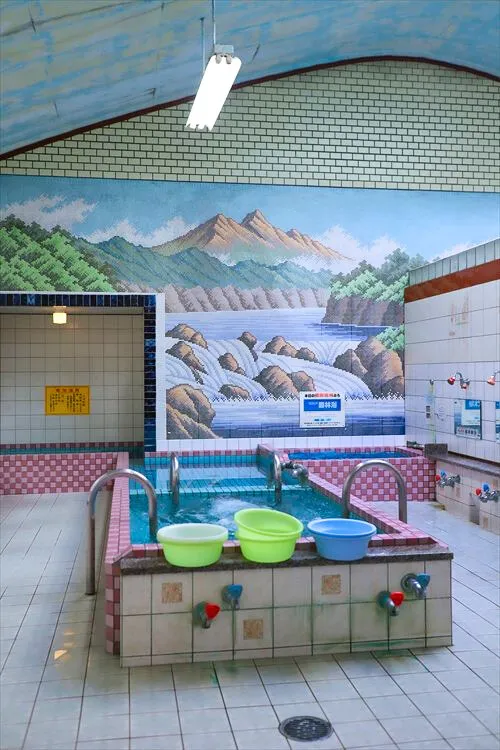
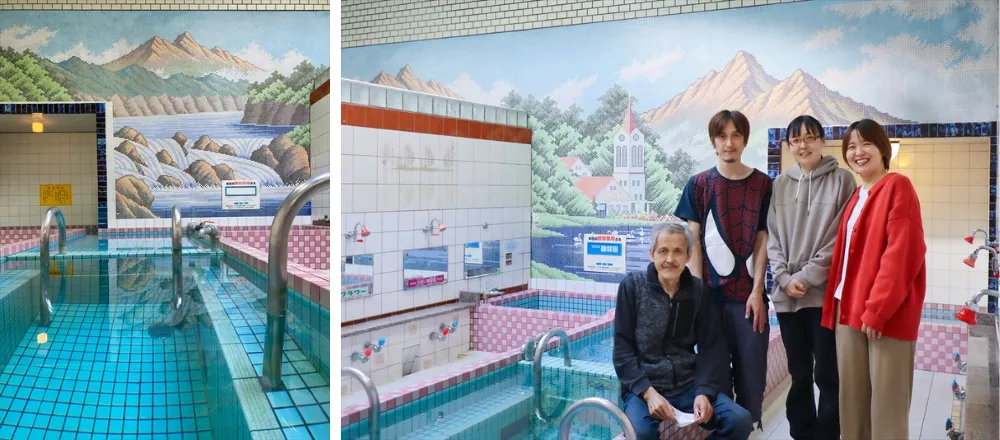
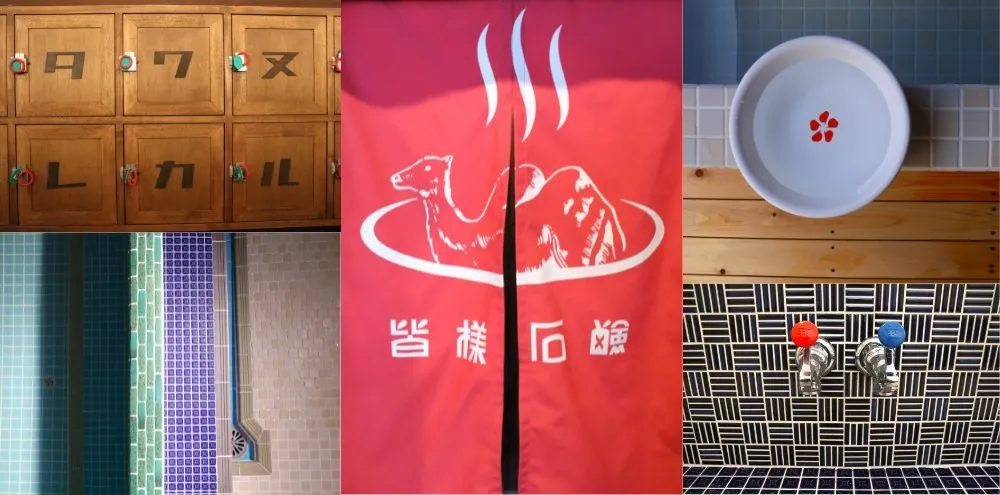
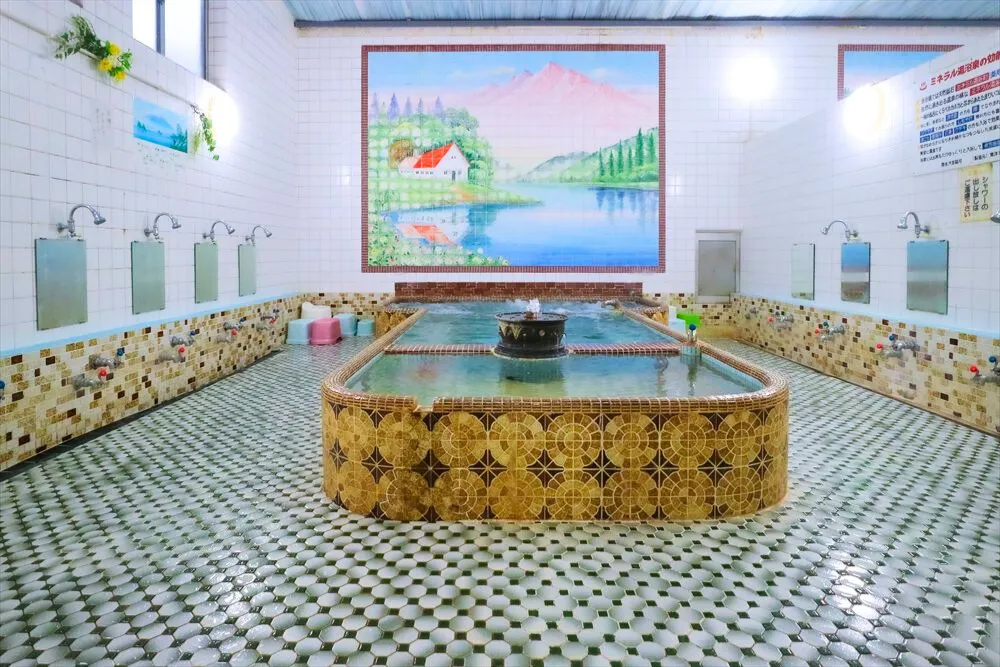
Like many of the city’s baths, it has retained its nostalgic appearance: a simple façade hiding a uniquely decorated interior filled with colorful pastel tiles and mosaics. Each wall features large mosaic murals, different on the men’s and women’s sides, depicting European landscapes that give the place a singular and poetic atmosphere.
The baths offer a true variety of tubs at different temperatures. There is a mineral salt bath that changes daily, a jet bath for soothing the body, an electric bath, a cold bath, and even a sauna heated to one hundred degrees Celsius.
The experience remains simple yet deeply comforting, with occasional seasonal touches such as yuzu or aromatic herbs. There is no showy luxury here. The magic lies in the continuity of tradition and in the lively, local atmosphere that makes you feel part of the neighborhood.
Just a short walk from Kinryu-yu, you can step into the retro café Kissa Hisui, another delightful journey through time. Together, this cozy café and the public bath form a perfect pair for immersing yourself in Kyoto’s everyday culture.
Price : 550 JPY
Address
1-3 Murasakino Shimosekiryu-cho, Kita-ku, Kyoto City, 603-8213
Access
7 minutes on foot from Shichijō Station
Business hours
3:00 pm to 10:00 pm
Regular holiday
Tuesdays
Kasuga Onsen, Matsusaka 春日温泉 Mie Prefecture
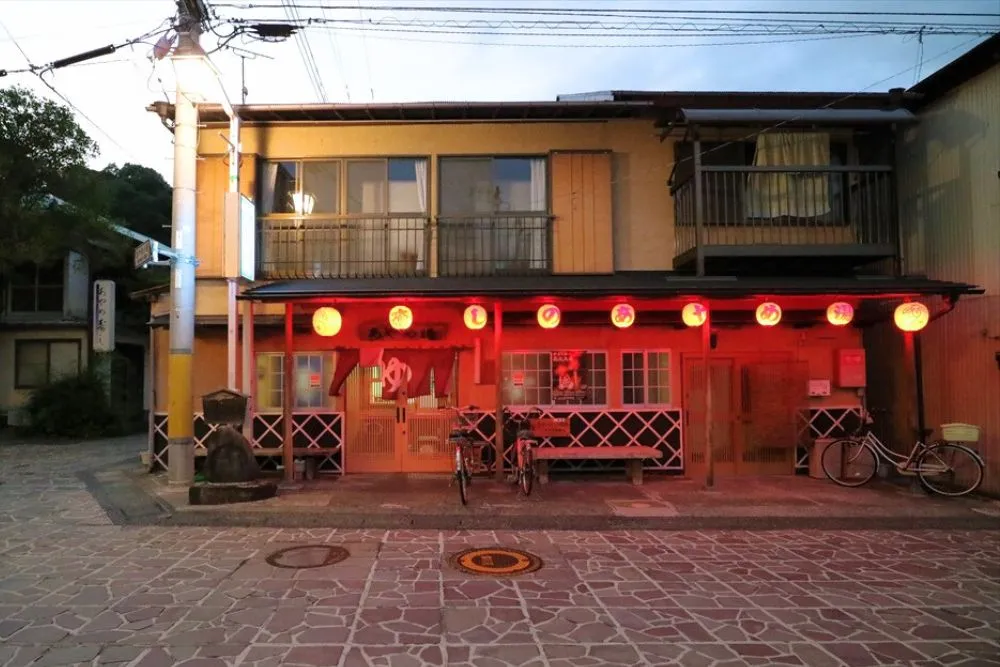
Kasuga Onsen is a small neighborhood hot spring in Matsusaka, fed by a natural source known for its benefits to the skin. From the outside, its large white façade and slightly faded neon sign do not reveal the warmth waiting inside.
My visits to sentō have taught me one thing: you should never judge a bathhouse by its exterior. Beyond the noren curtain lies the gentle charm of an old-fashioned establishment.
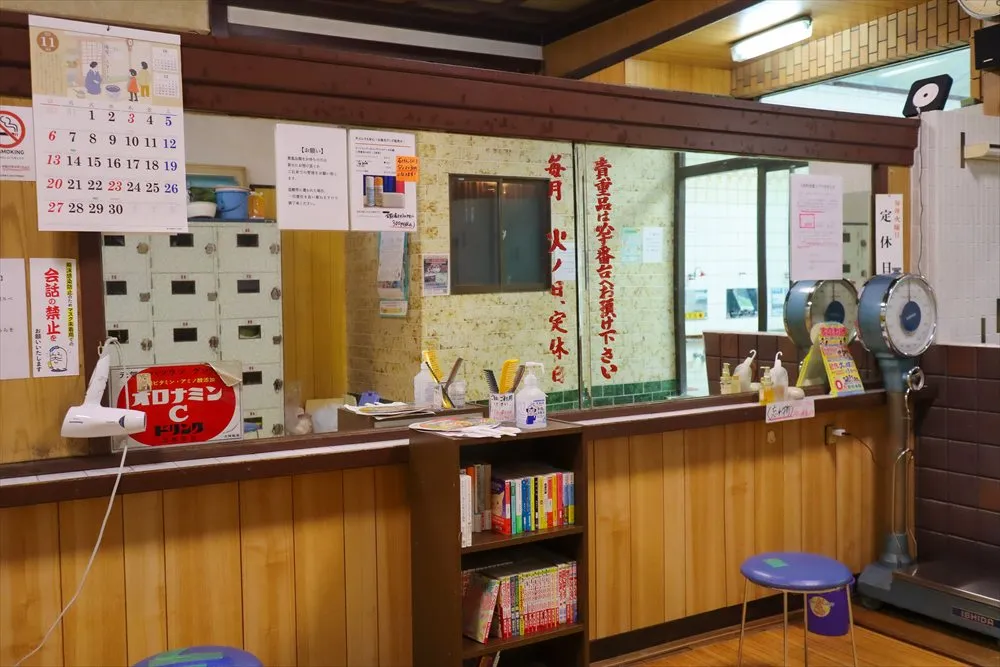
The traditional bandai, or attendant’s booth, allows guests to greet the owner, who welcomes everyone with kindness and simplicity. In the dressing room, bamboo-mat floors, wooden lockers with large red numbers, and regulars’ wicker baskets create an atmosphere from another era. A vintage hair dryer and a Morinaga refrigerator filled with chilled milk add to the cozy nostalgia.
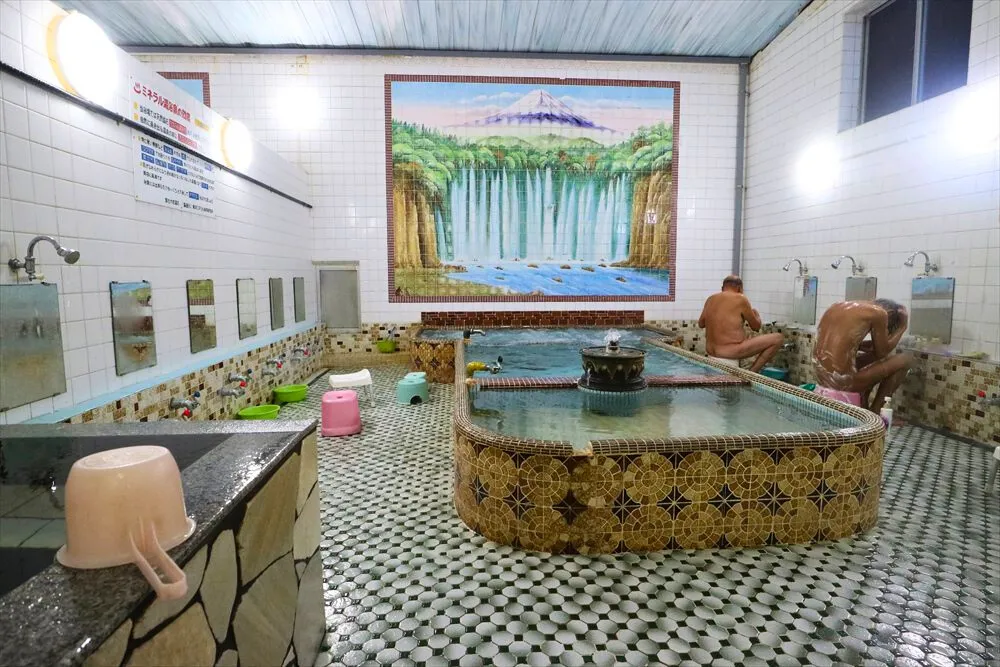
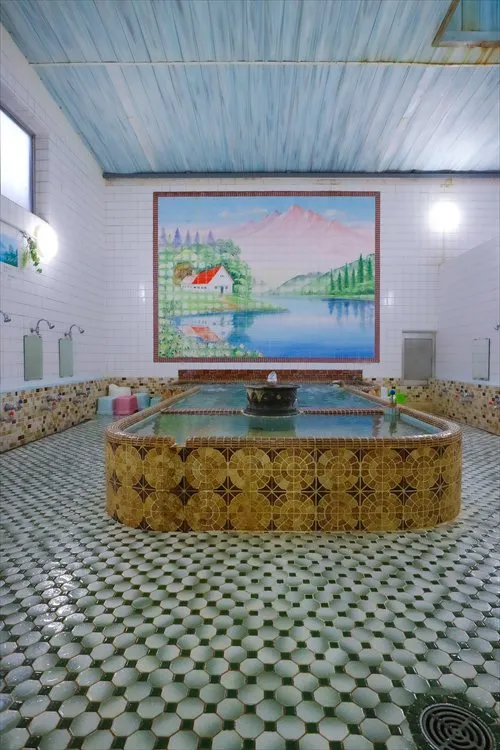
The bathing area, modest but well-kept, features a rectangular tub tiled in green and turquoise, shimmering like a jewel. On the back wall, hand-painted tiles form a mural of a Western mountain landscape, a relic of a bygone age. Low washing stations line the edges of the room, inviting visitors to sit and wash before easing into the clear, hot water.
It is a simple yet lively place, frequented by locals and a few travelers passing through, where one can feel the quiet and genuine hospitality of a neighborhood onsen.
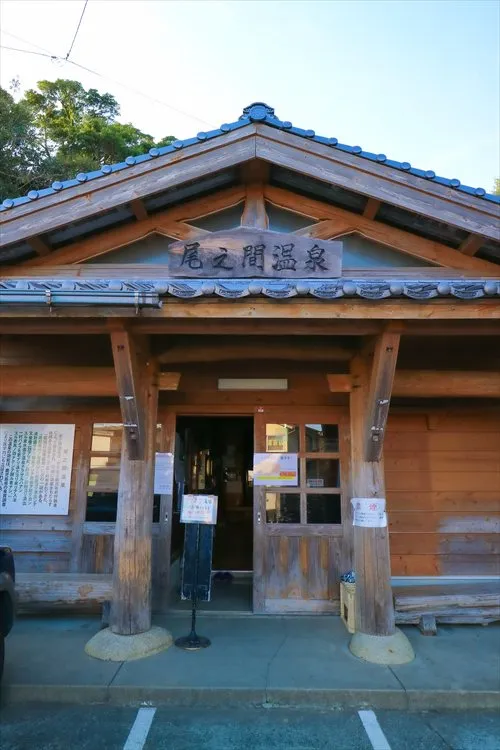
On Yakushima, a UNESCO World Heritage island famous for its lush forests and untouched nature, stands Onoida Onsen. Surrounded by legends like the island itself, which is said to have inspired the animated film Princess Mononoke, the spring was discovered around three hundred and fifty years ago.
Located near the sea in a wooden building, the bath welcomes both locals and travelers exploring the island’s southern coast.
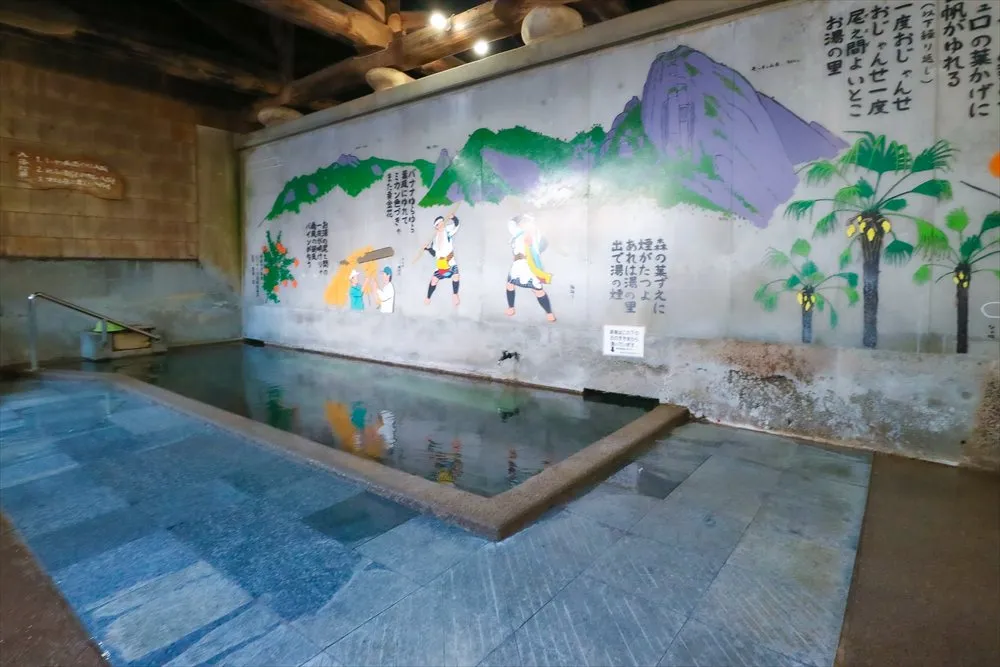
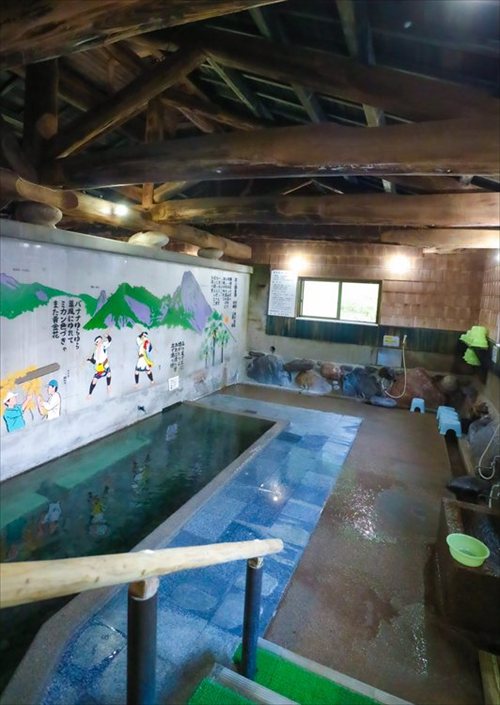
The bathing room, made from wood, concrete, and stone, is decorated with vivid murals painted directly onto the concrete walls. They depict Yakushima’s landscapes and traditional occupations. The volcanic water is quite hot, and it may take a few moments to adjust, but it is rich in sulfur minerals. The experience is both intense and deeply invigorating, perfectly in tune with the island’s wild spirit.
The atmosphere is unmistakably local. Residents come daily to soak, exchange a few words, and continue with their day. After bathing, it is pleasant to sit on the small bench at the entrance or dip your feet in the outdoor basin while chatting with others, extending that brief yet authentic moment of connection.
Price : 300 JPY
Address
1291 Onoaida, Yakushima-cho, Kumage, Kagoshima
Access
30 minutes by car from Yakushima Airport
Business hours
7:00 am to 9:00 pm
Regular holiday
Mondays
Kiku no Yu Onsen, Kōfu 喜久乃湯温泉 Yamanashi Prefecture
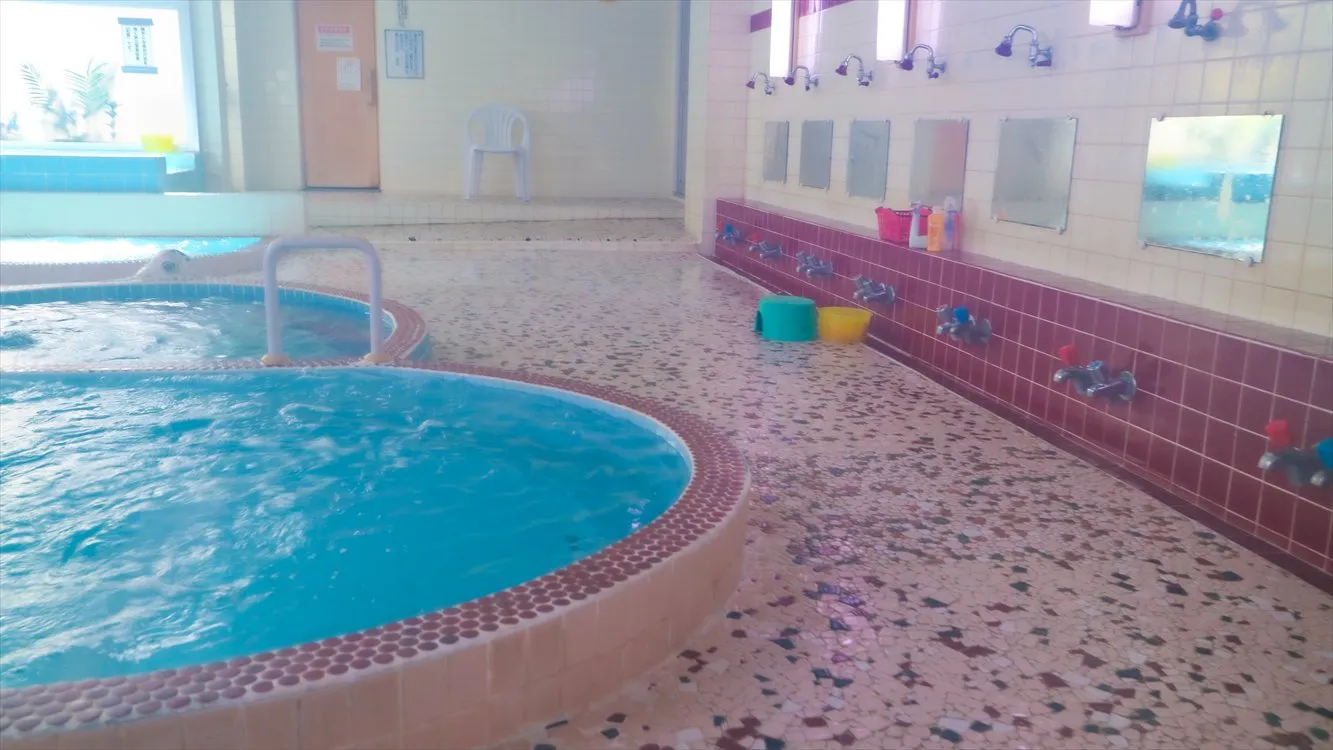
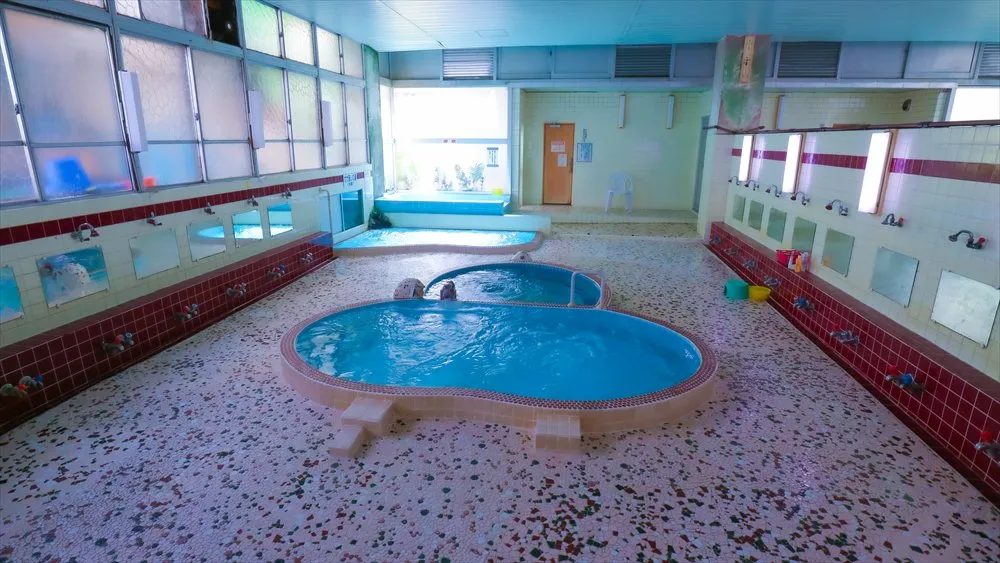
Located in Kōfu, the capital of Yamanashi Prefecture, Kiku no Yu Onsen is a true retro-style hot spring. The natural thermal water, drawn from deep underground, is rich in minerals and envelops the body in a gentle warmth.
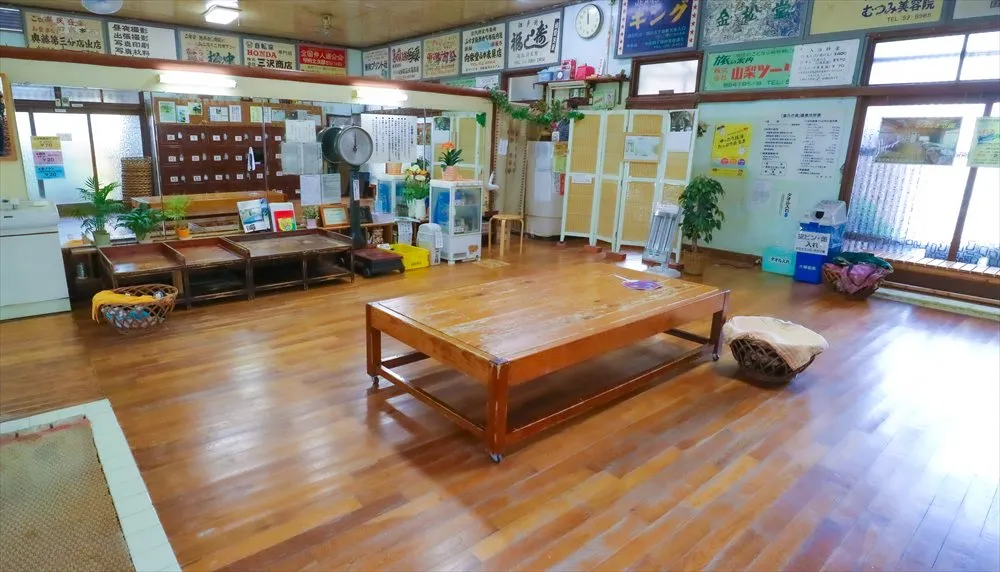
The building carries the nostalgic charm of postwar sentō. Entering the dressing room, which has remained almost unchanged for decades, you are surrounded by small treasures of the past: vintage advertisements hung high on the walls, old objects, and the soft air of another time.
The building carries the nostalgic charm of postwar sentō. Entering the dressing room, which has remained almost unchanged for decades, you are surrounded by small treasures of the past: vintage advertisements hung high on the walls, old objects, and the soft air of another time.
Officially appointed as a Sento Ambassador by the Japan Sento Cultural Association. Originally from France, Stephanie has a deep love for Japanese sento. She actively shares the charm of sento culture with the world through various activities, such as lectures, books, and TV programs.