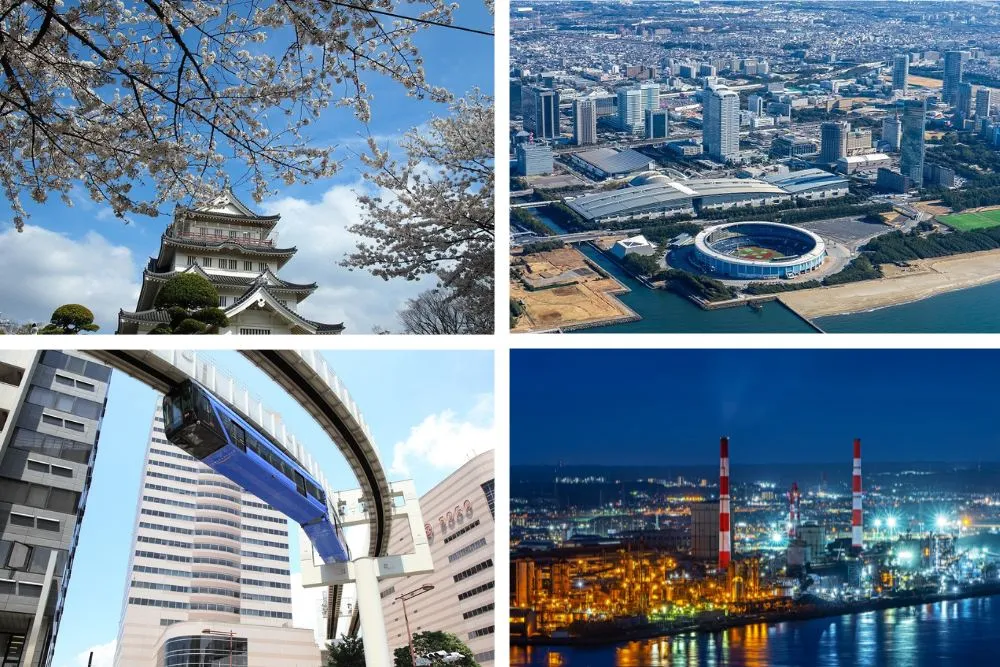
Centered around Utsunomiya City, the Central Area serves as a key transportation hub for travel throughout the prefecture. It offers a wide range of attractions, with both nature and urban life coexisting in harmony.
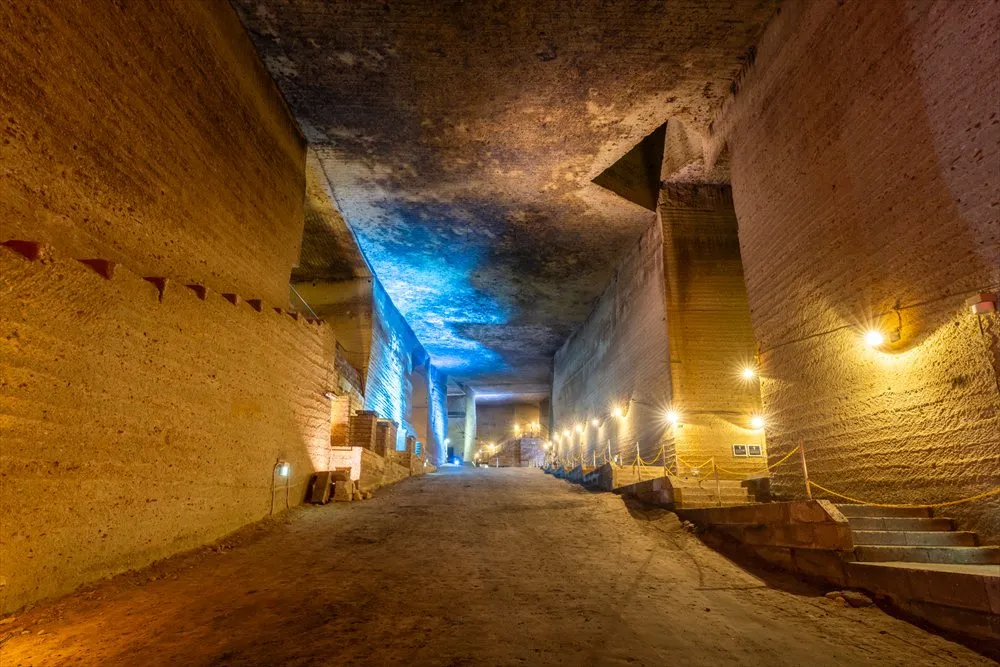
┃OYA HISTORY MUSEUM (Utsunomiya City)
The former Oya stone quarry with a huge underground space measuring about 20,000 sq. meters is now open to the public as a history museum. It has a unique, otherworldly atmosphere that makes you feel as if you’ve stepped into a fantasy world. The site is also popular as a filming location for movies.
Access: JR Utsunomiya Sta. → 30 min by bus → Shiryokan Iriguchi bus stop → 5 min walk Business hours: April-November 9:00-17:00, December-March 9:30-16:30 * Admission until 30 min. before closing Regular holiday: April–November: Open daily, December–March: Tuesdays (or the following day when it falls on a national holiday), December 26–January 3 TEL: 028-652-1232 URL: http://www.oya909.co.jp/
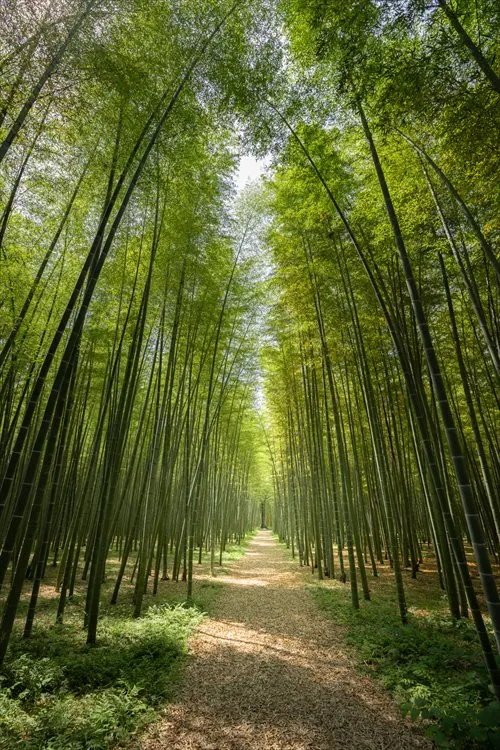
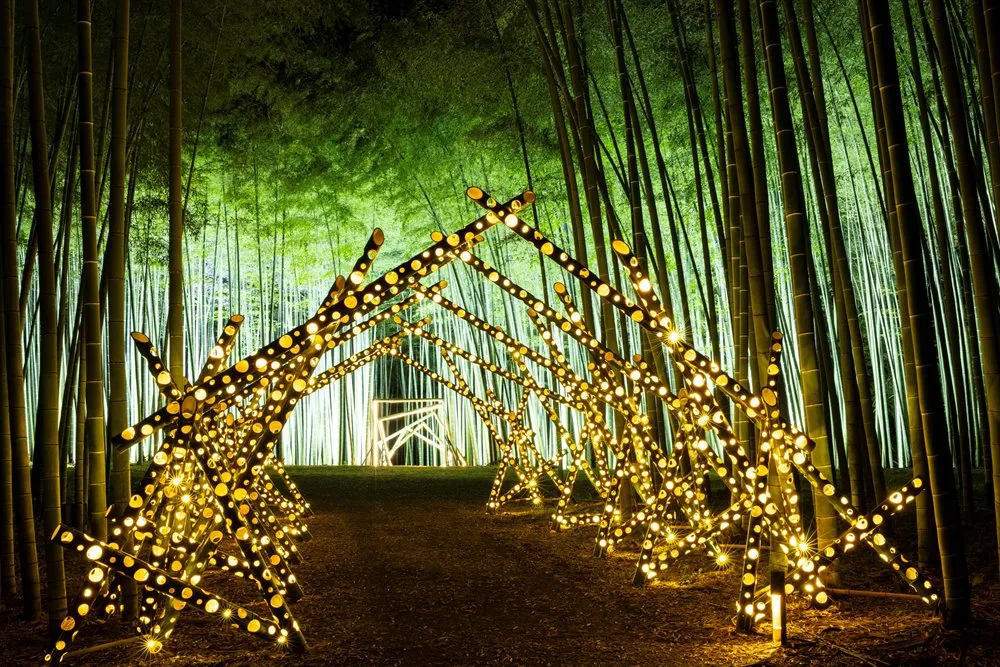
┃Wakayama Farm (Utsunomiya City)
Having cultivated mainly bamboo and chestnuts for about 100 years, this farm boasts one of the largest managed bamboo groves in Japan. The site also has a gallery where you can view displays of bamboo craftwork and a cafe to enjoy dishes made with local vegetables. On Saturday, Sunday, and holiday evenings, the bamboo forest is beautifully illuminated, creating a magical atmosphere.
Access: JR Utsunomiya Sta. → 24 min by bus → Bamboo Forest at Wakayama Farm bus stop → 5 min walk Business hours: 9:00–17:00 (until 20:00 on Saturdays, Sundays, and holidays) (June–August 9:00–21:00) *Admission until 30 min. before closing Regular holiday: New Year holidays TEL: 028-665-1417 URL: https://en.wakayamafarm.com/
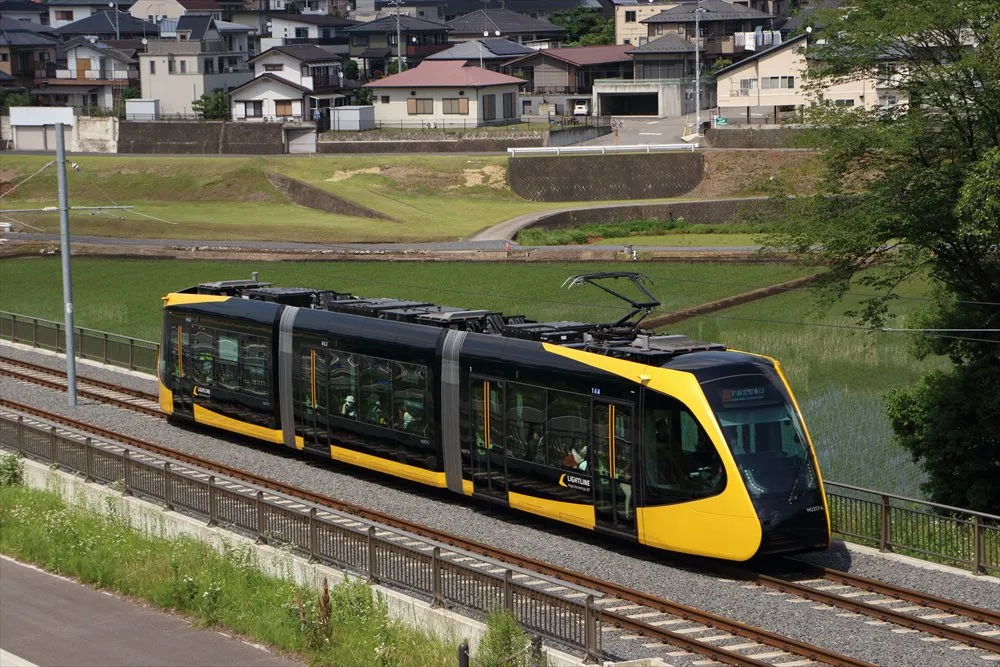
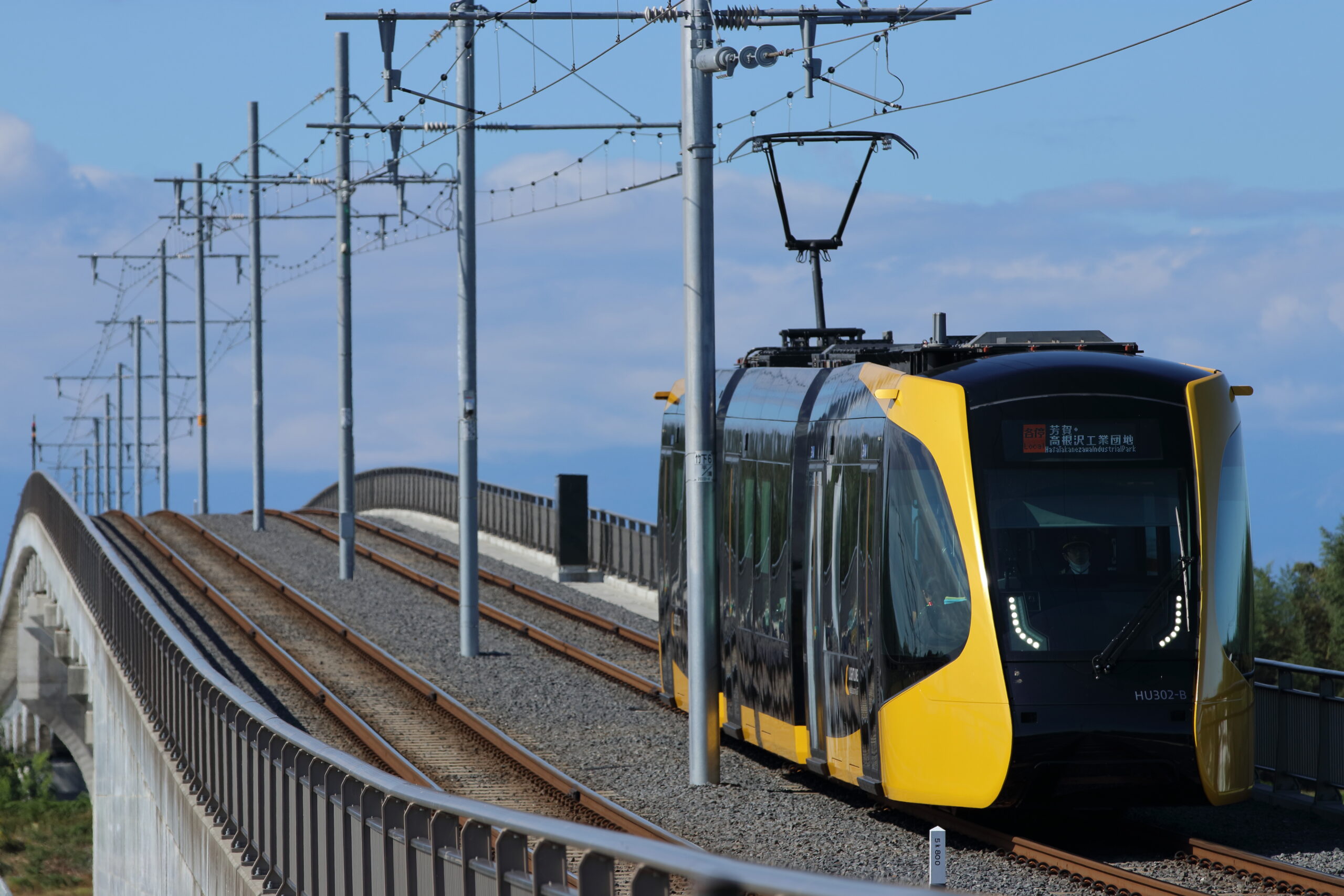
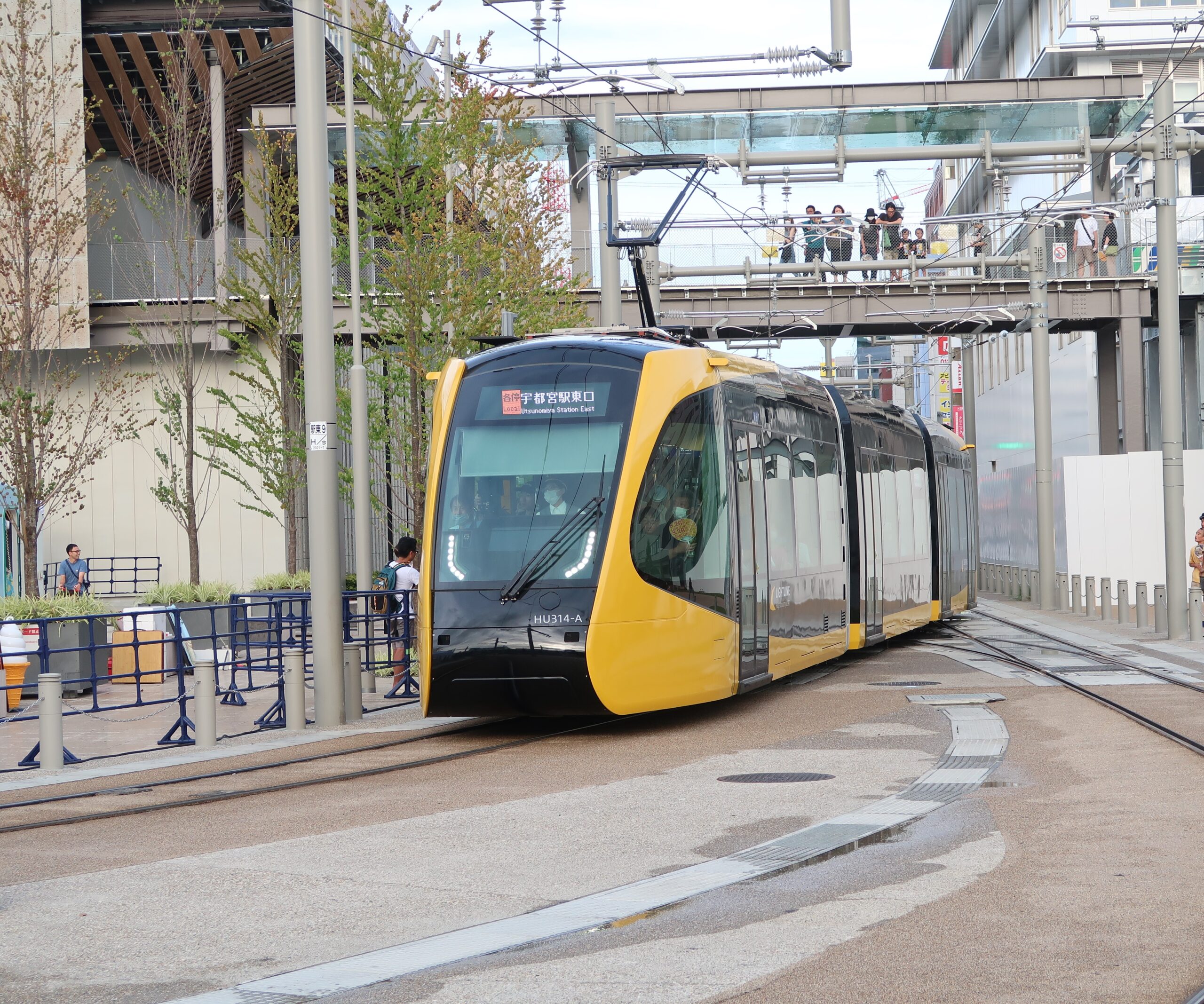
┃Utsunomiya Light Rail (Utsunomiya City)
Opened in 2023, this next-generation tram runs 14.6 km, connecting Utsunomiya Station with the neighboring Haga Town. Designed to reduce noise and vibration and provide easy boarding, it is gaining attention as a new form of transportation that is friendly to both people and the environment.
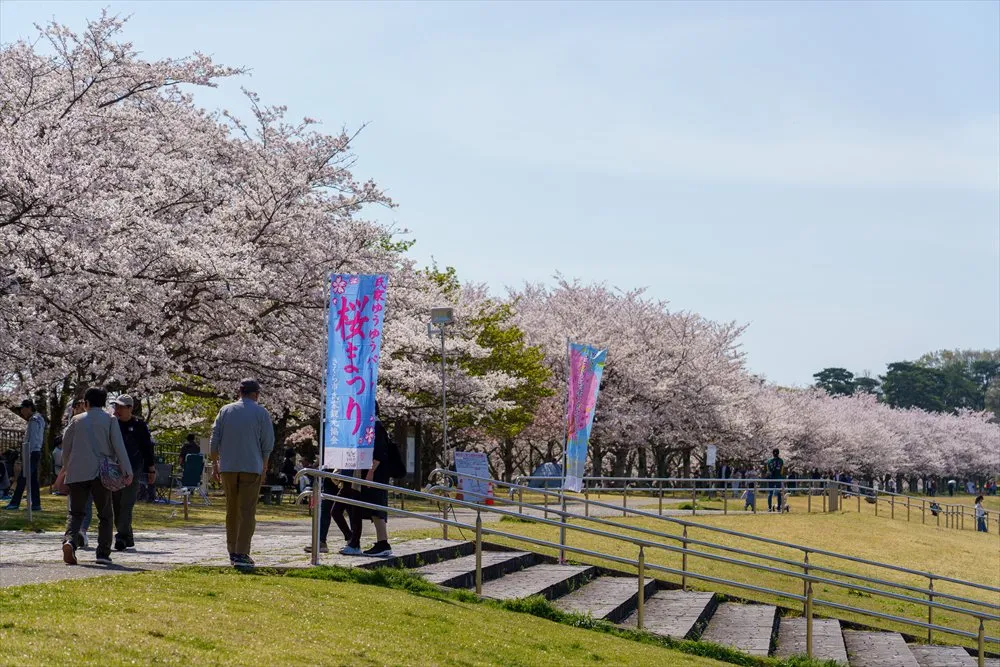
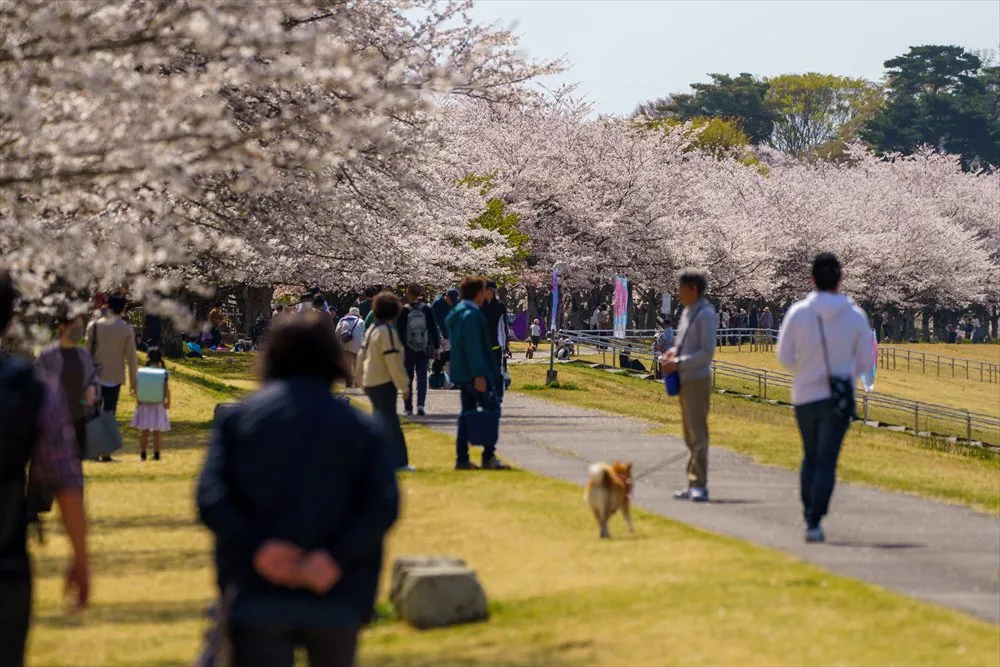
Located along the Kinugawa River, this park offers a relaxing atmosphere with the Nikko and Nasu Mountains as a backdrop. In spring, 465 cherry trees bloom along the riverbank, and during the Cherry Blossom Festival, the area is beautifully illuminated at night.
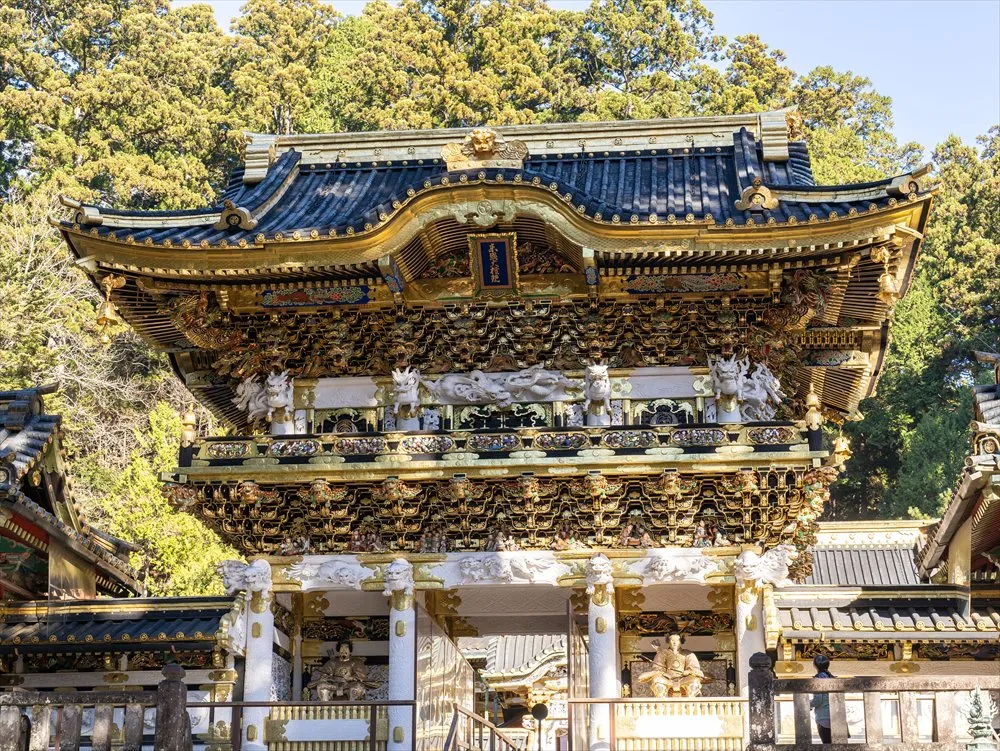
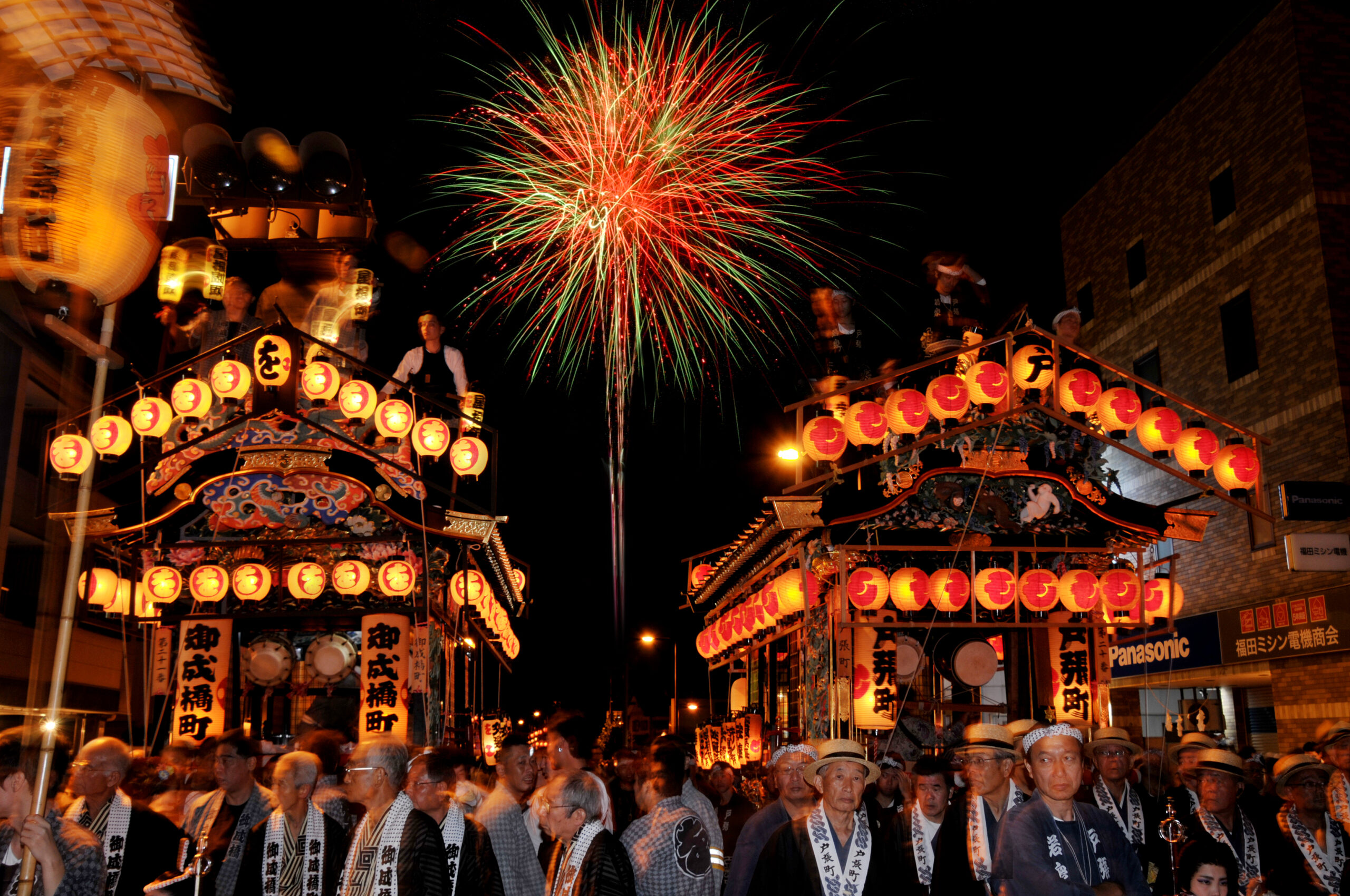
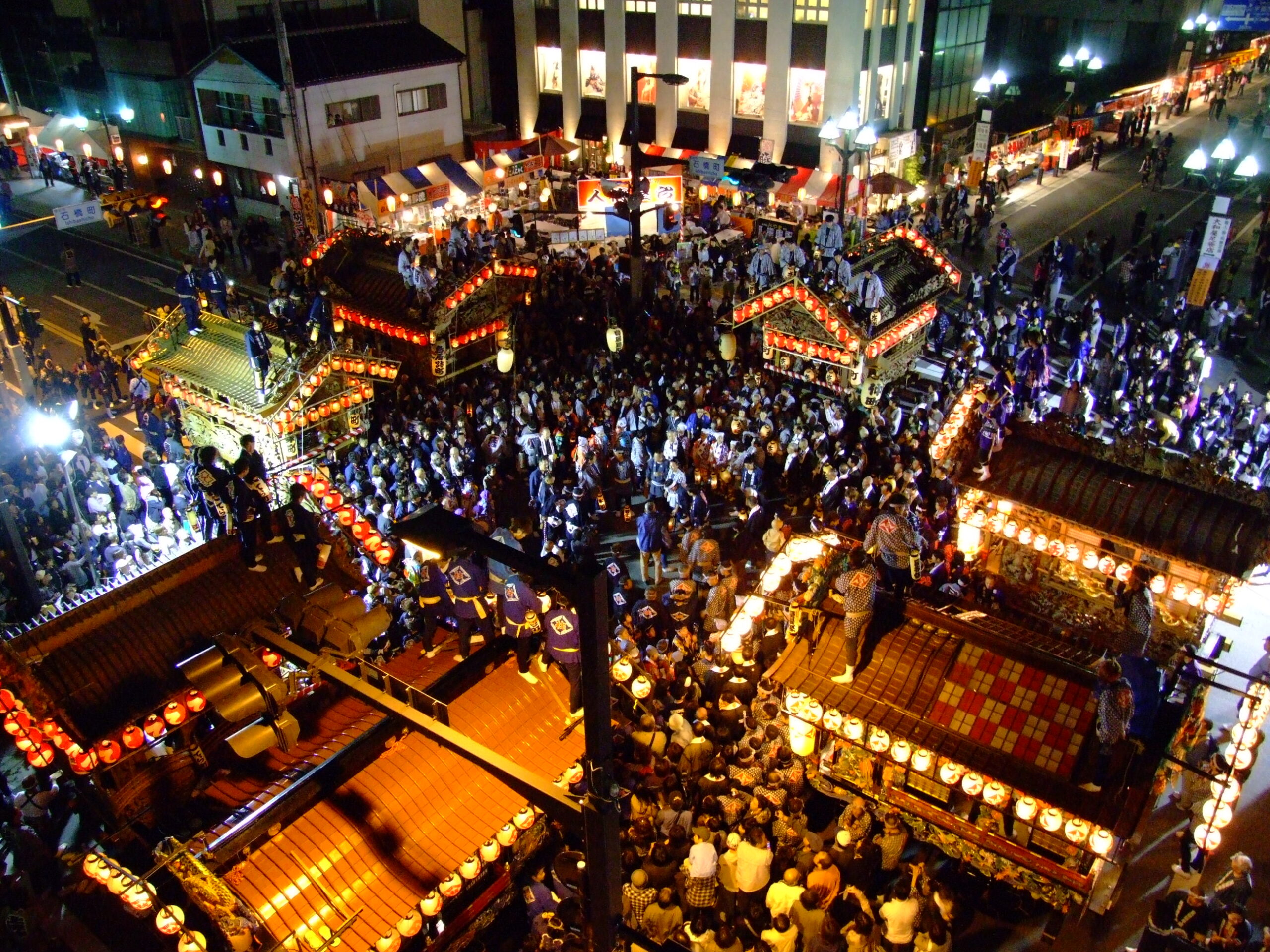
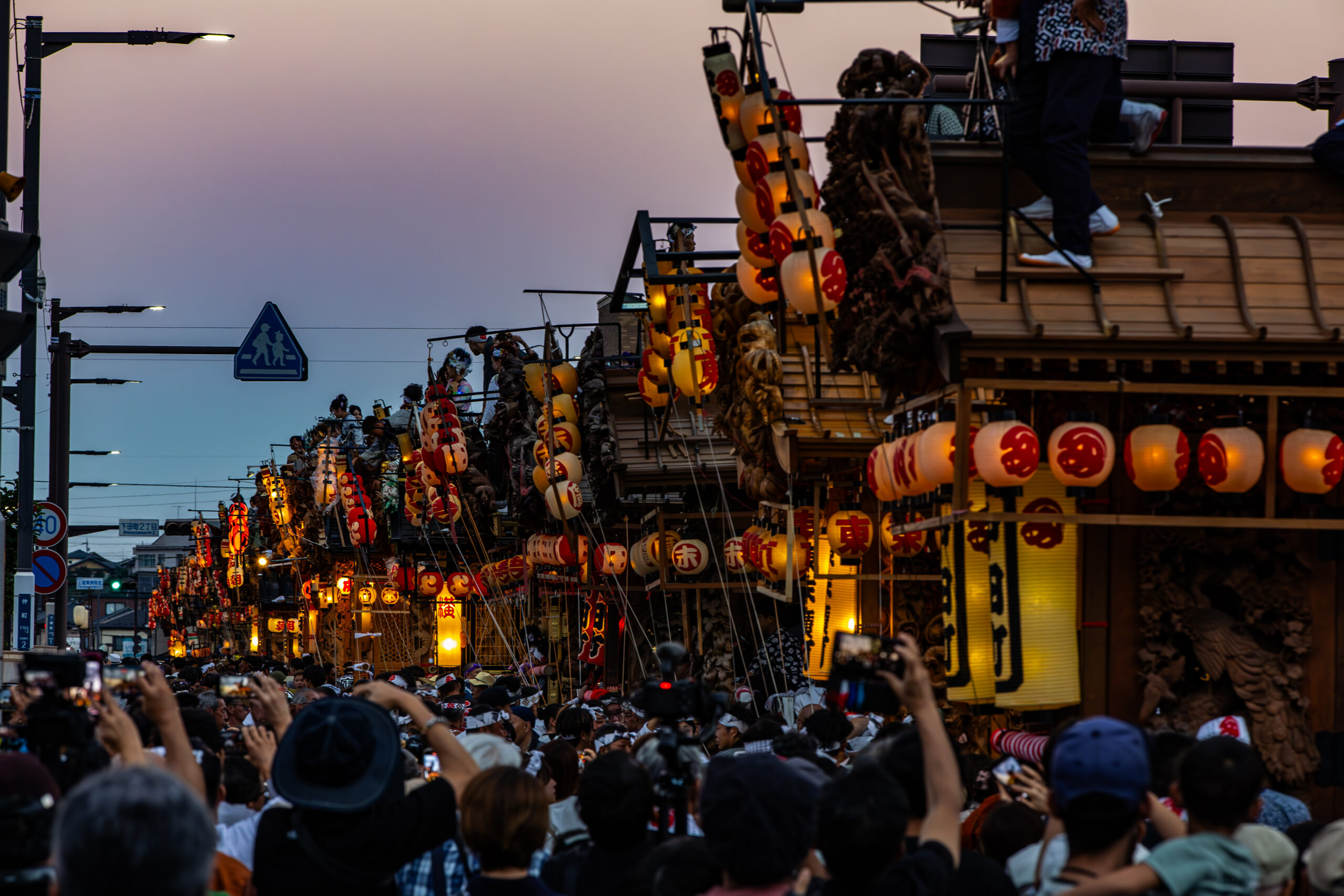
Held every October, this traditional festival has been registered on UNESCO’s List of Intangible Cultural Heritage. Twenty-seven festival floats adorned with intricate wood carvings parade through the town. These lavish floats are often likened to the famous Yomeimon Gate at Nikko Toshogu Shrine.
Access: JR Kanuma Sta. → 20 min walk / Shin-kanuma Sta. (Tobu) → 15 min walk Business hours: Held on the second Saturday and Sunday of October URL: https://www.buttsuke.com/
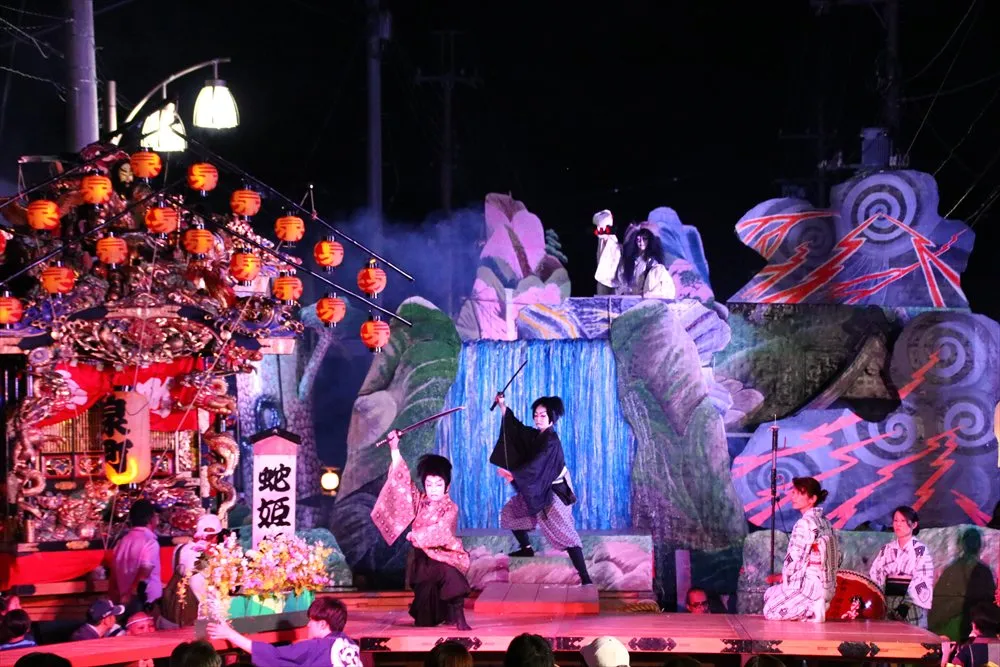
┃Yamaage Matsuri (Nasukarasuyama City)
This festival is also registered on UNESCO’s List of Intangible Cultural Heritage and is said to have originated over 460 years ago. As one of the largest mobile outdoor kabuki dance festivals in Japan, an enormous stage is set up in the middle of the town, and the performance is presented at one after another different locations as the stage is dismantled, moved, and rebuilt. This continuous flow of events is truly a spectacular sight.
Access: JR Karasuyama Sta. → 5-30 min walk (varies depending on the venue) Business hours: Held for three days from Friday to Sunday including the fourth Saturday in July URL: https://www.city.nasukarasuyama.lg.jp/page/dir001128.html
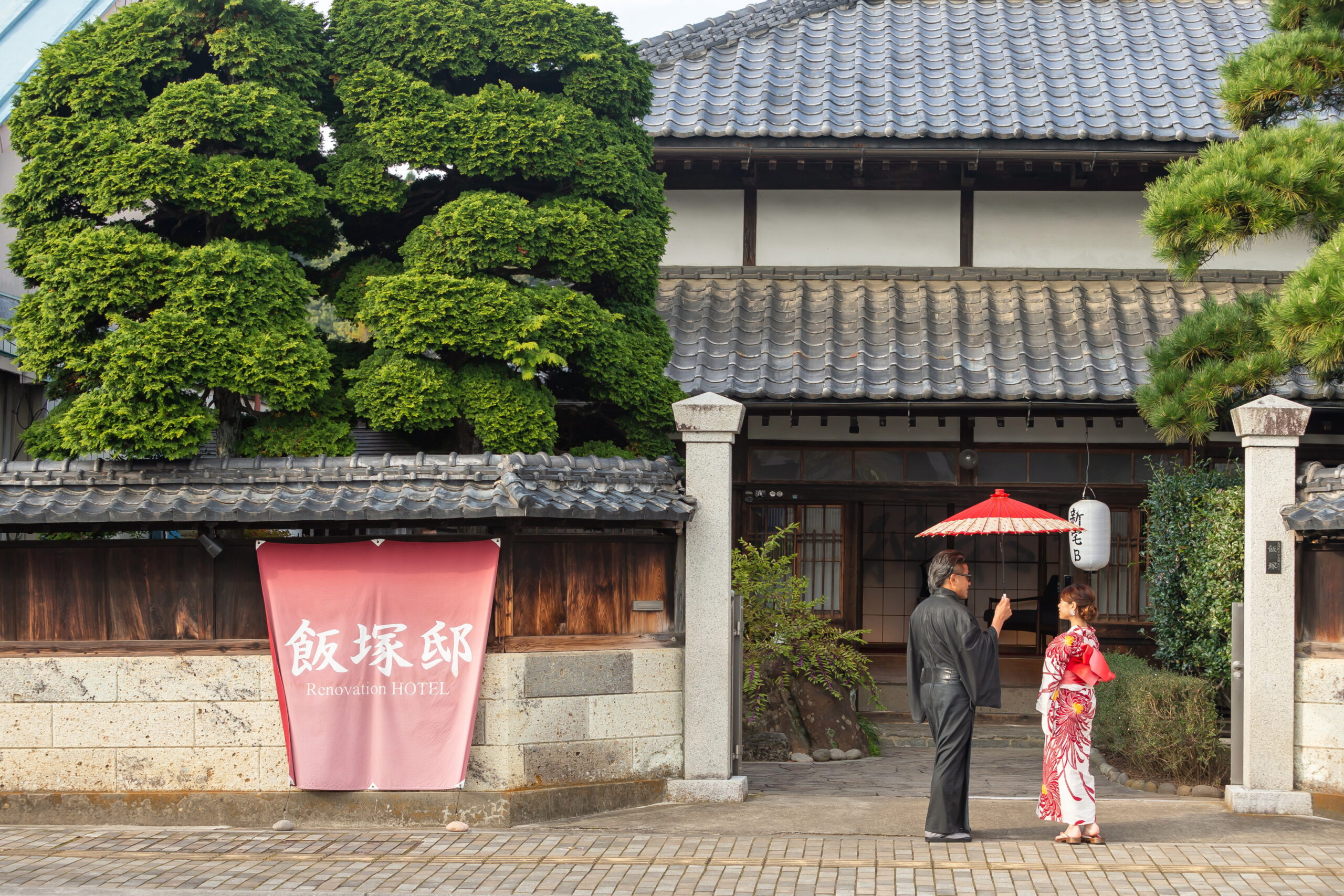
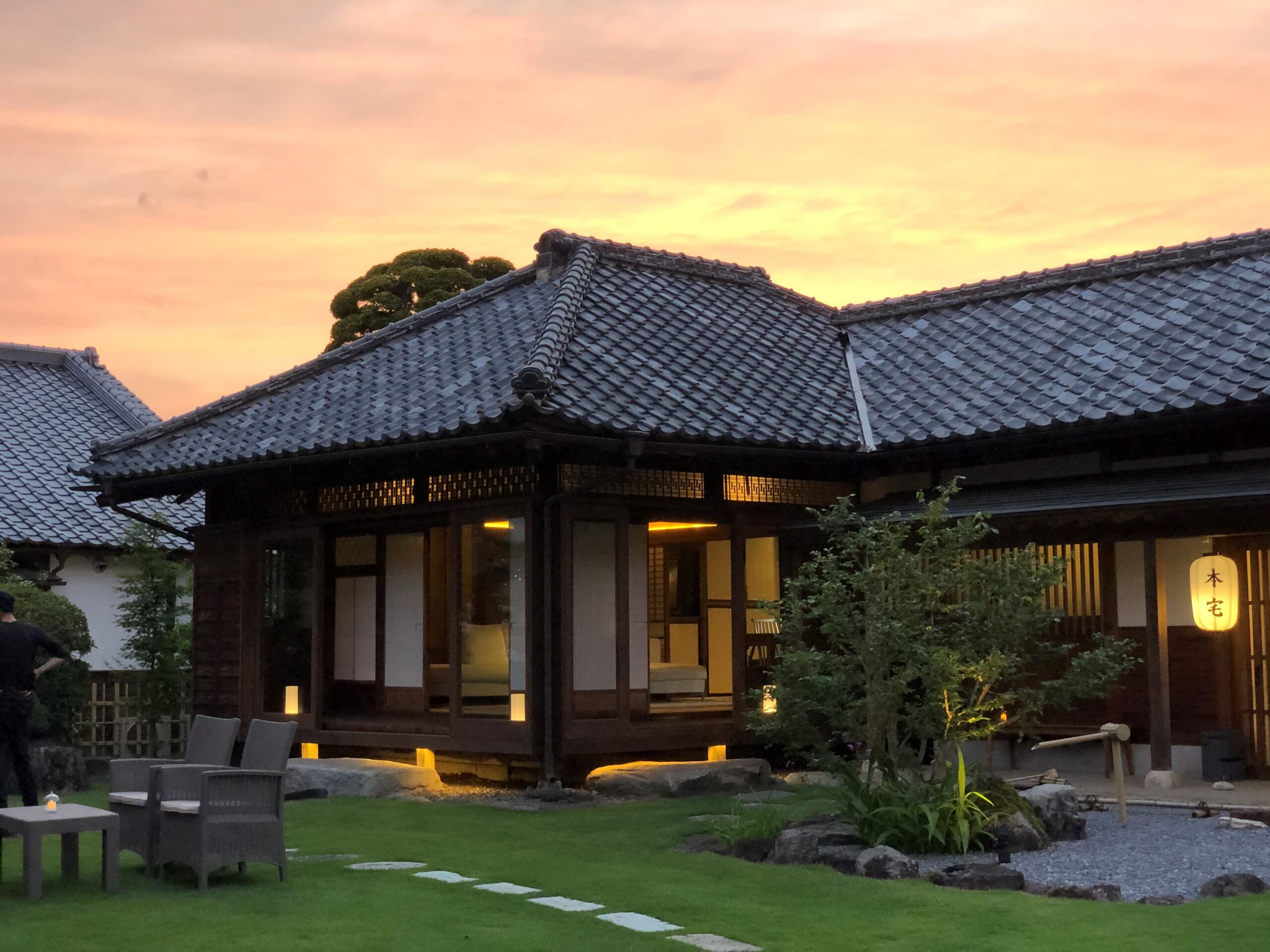
┃Iizukatei Hotel, Renovated Cultural Heritage Property (Nakagawa Town)
The Iizuka Family Residence, a tangible cultural property with a 200-year history, has been renovated into Iizukatei Hotel. Outside the hotel, you can enjoy local restaurants and cultural activities, offering a glimpse into the traditional way of life of the area.
Centered around Ashikaga and Tochigi cities, this area is home to famous historic sites and well-preserved old townscapes, offering a strong sense of the region’s historical atmosphere.
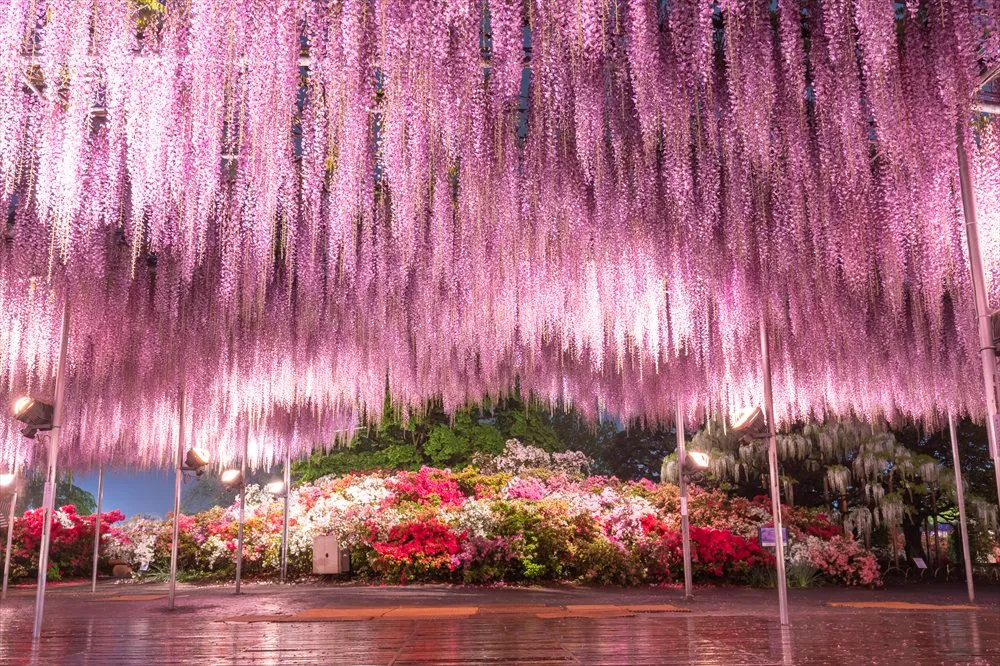
┃Ashikaga Flower Park (Ashikaga City)
This park features seasonal flowers throughout the year. Especially popular are the enormous wisteria trellises, which reach their peak in spring and create a breathtaking, dreamlike view. In winter, from mid-October to mid-February, the park is illuminated with flower-themed lights, and has been selected as one of the “Top Three Illumination Events of Japan.”
Access: JR Ashikaga Flower Park Sta. → 3 min walk Business hours: Regular period 10:00-17:00 / During the spring wisteria and winter illumination periods, opening hours may be extended (check the website for details). Regular holiday: The third Wednesday and Thursday of February, December 31 TEL: 0284-91-4939 URL: https://www.ashikaga.co.jp/english/index.html
┃Historic site of ASHIKAGA GAKKO (Ashikaga City)
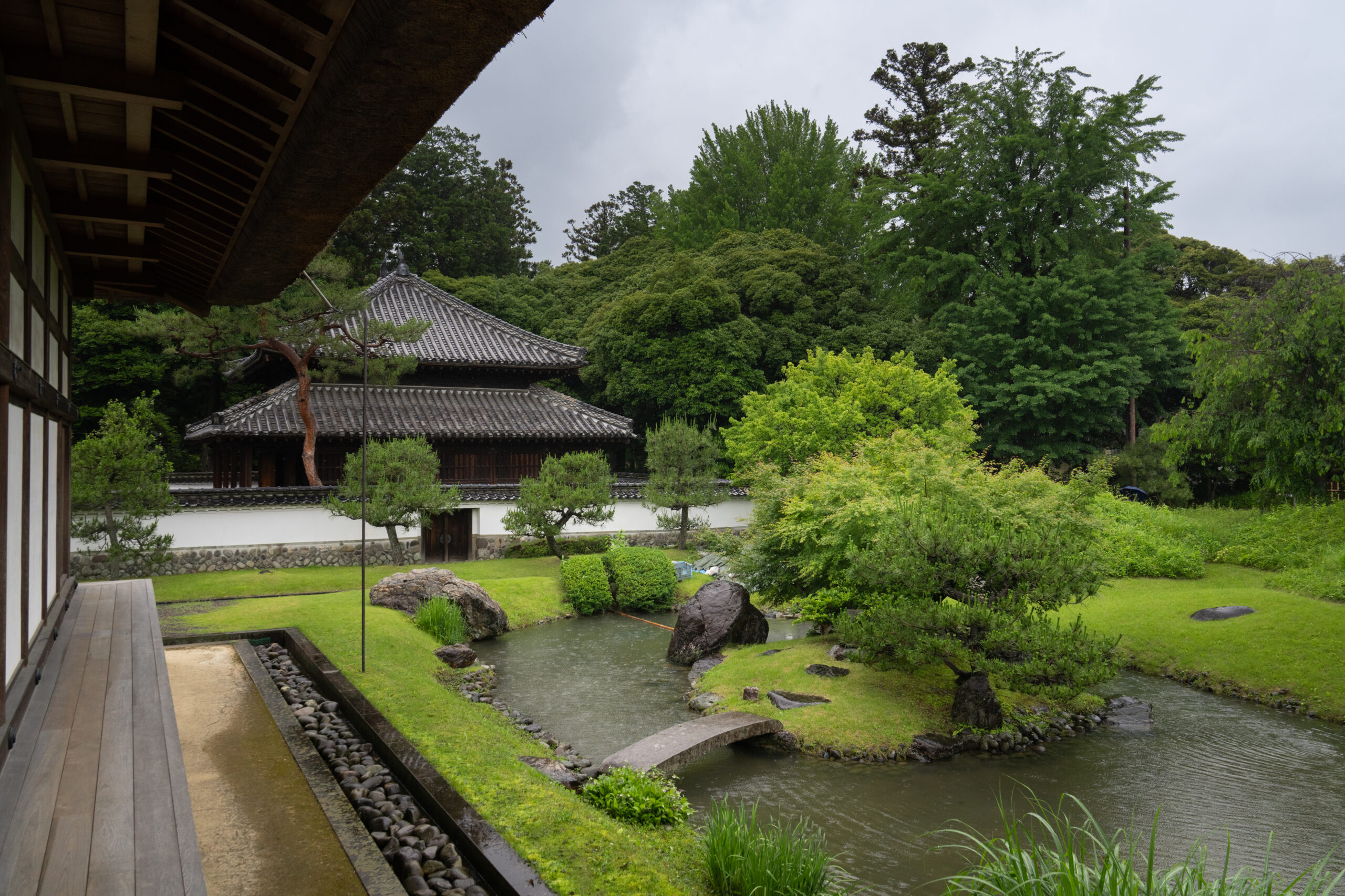
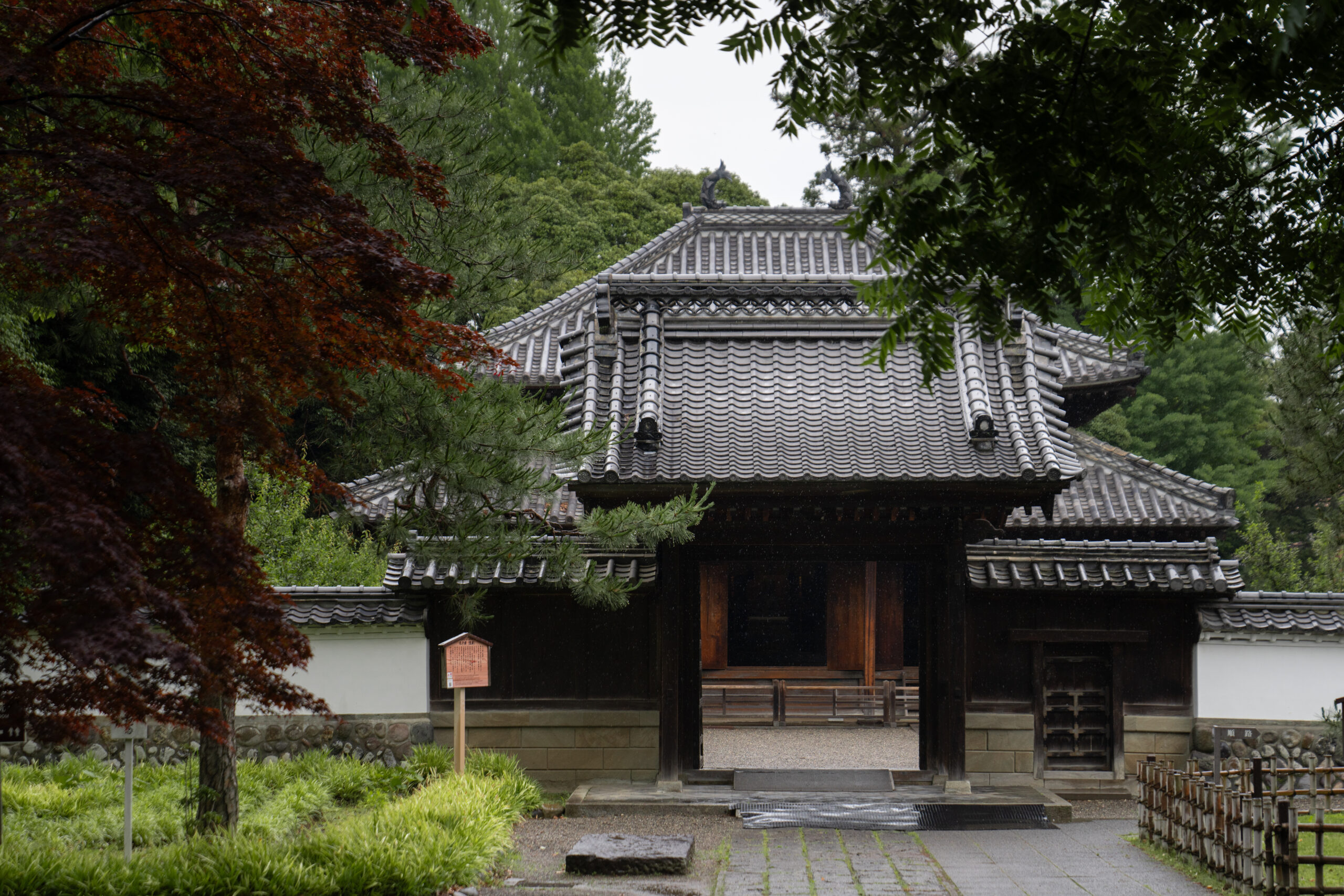
Although the exact origins of ASHIKAGA GAKKO are uncertain, it is considered Japan’s oldest school and a sacred site of learning, where the flame of scholarship was kept alive even during times of war. Now designated as a Japan Heritage site, the school has been restored to its Edo-period (1603-1868) appearance and is open to the public.
Access: JR Ashikaga Sta. → 10 min walk Business hours: 9:00–16:30 (October–March 9:00–16:00) Regular holiday: The third Wednesdays, December 29–31 TEL: 0284-41-2655 URL: https://www.city.ashikaga.tochigi.jp/education/000031/
┃Ashikaga Orihime-jinja Shrine (Ashikaga City)
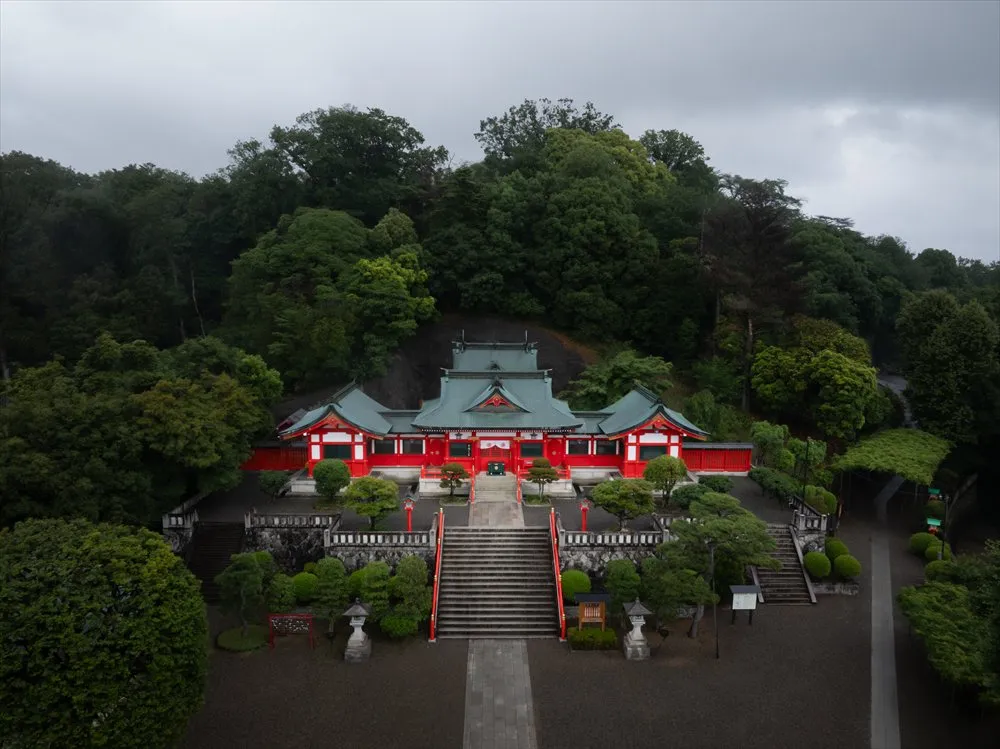
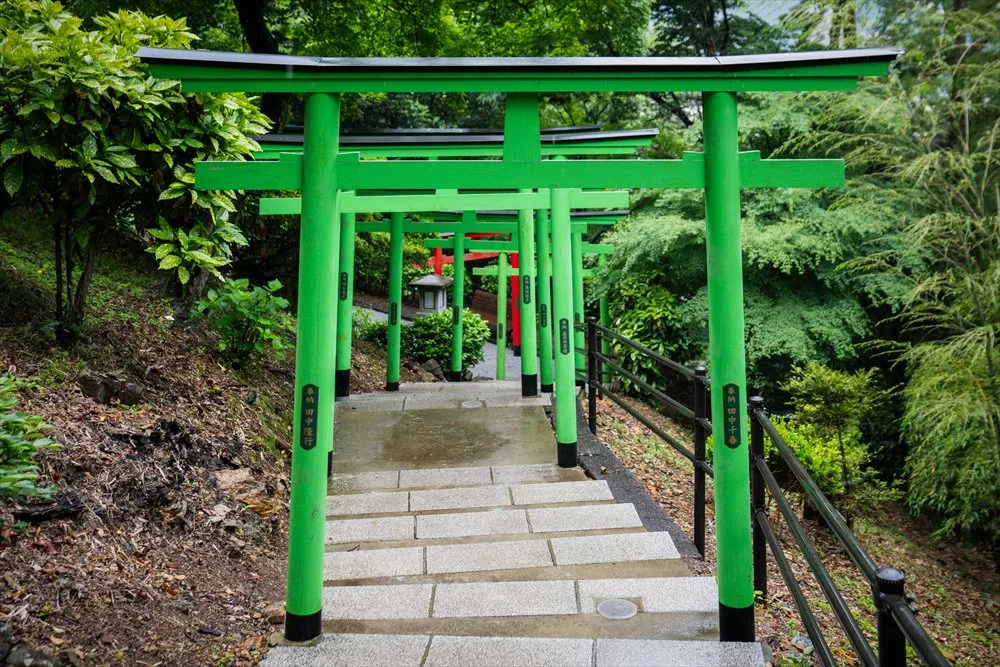
Said to have been founded in 1705, this shrine is famous for enshrining the deity of love and matchmaking. Within the shrine grounds, there is a row of seven colorful torii gates, each color symbolizing a different kind of tie or relationship, such as success in work, good health, or academic achievement. It is said that if you walk through the gate that matches your wish, your prayer may be granted.
Access: JR Ashikaga Sta. / Ashikagashi Sta. (Tobu) → 30 min walk Business hours: Shrine office 9:00–16:00 Regular holiday: Open 365 days TEL: 0284-22-0313 URL: https://www.orihimejinjya.com/
┃Watarase Yusuichi (Tochigi City)
Created as a flood control measure, this 33 sq. km retarding basin is the largest of its kind in Japan. A variety of activities can be enjoyed here, including canoeing, cycling, and birdwatching. You can even experience a hot-air balloon ride.
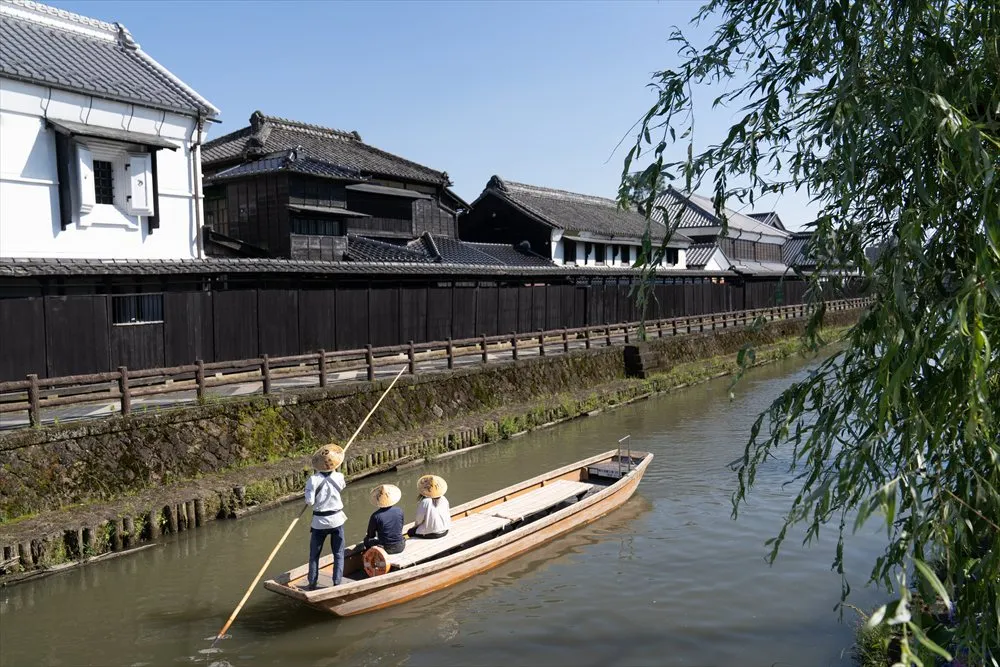
Tochigi City was once a merchant town that prospered through boat trade with Edo (now Tokyo) in the late 18th century. Today, many traditional storehouses still remain, preserving the atmosphere of that time. Take a ride on a pleasure boat that recreates the historic river transport on the Uzuma River and enjoy views of the old townscape.
Access: Tochigi Sta. (JR, Tobu) → 10 min walk Business hours: 10:00–16:00 (December–February 10:00–15:00) *Admission until 10 min. before closing Regular holiday: Closed under severe weather conditions TEL: 0282-23-2003 URL: http://www.k-yuransen.com/
┃Sano Yakuyoke Daishi Temple (Sano City)
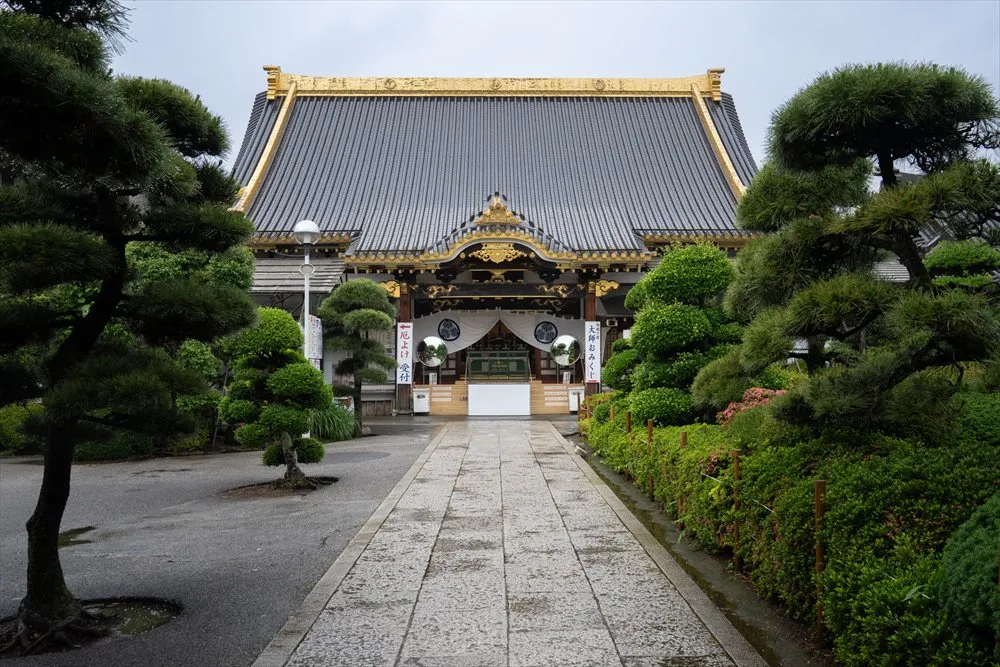
Reportedly established in 944, this temple is famous for warding off evil. During the New Year holidays, it is said that over one million people visit the temple to pray. Many stalls line the temple approach, making it enjoyable to take a stroll after offering prayers.
Access: JR Sano Sta. → 15 min walk / Sanoshi Sta. (Tobu) → 10 min walk Business hours: 8:20–16:40 (available time of the prayer service) *As the hours are extended during the New Year Holidays, please check the website for details. Regular holiday: Open 365 days TEL: 0283-22-5229 URL: https://sanoyakuyokedaishi.or.jp/
┃SANO PREMIUM OUTLETS (Sano City)
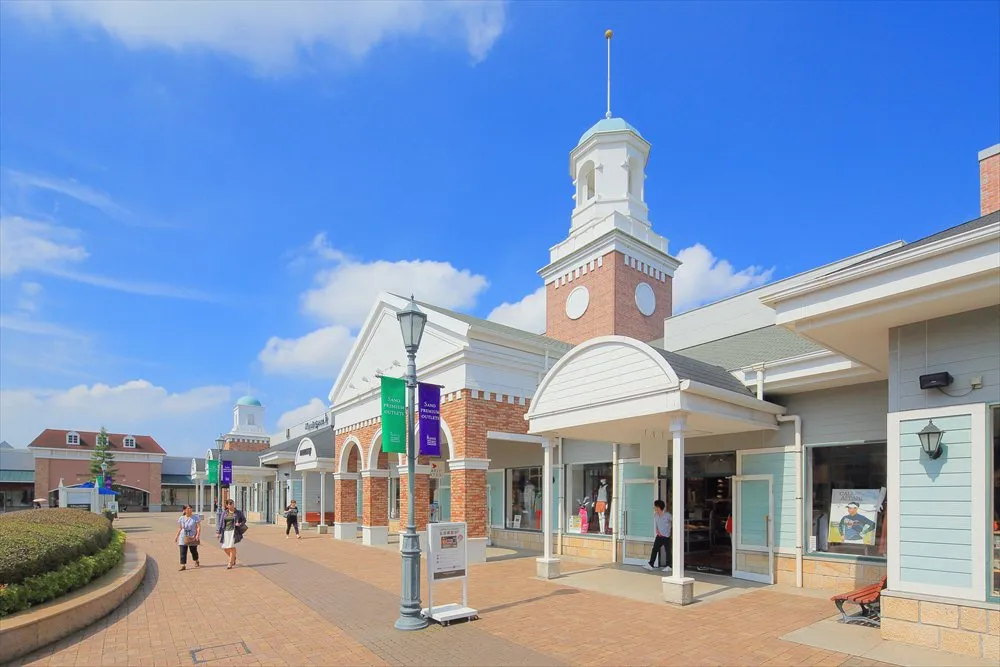
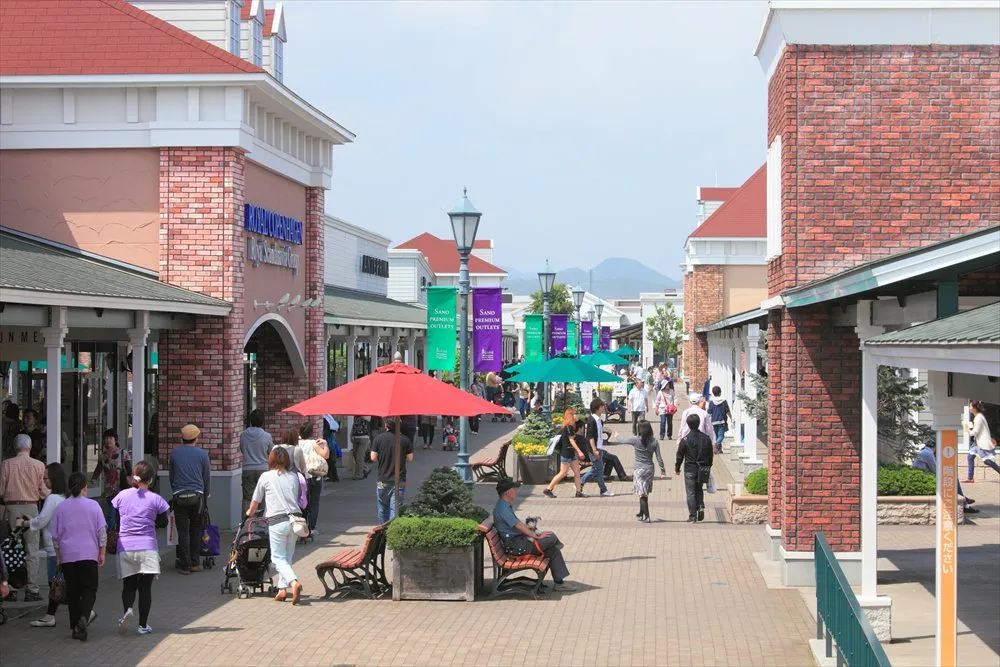
Inspired by the design of an East Coast American town, this outlet mall features about 180 stores, including popular Japanese and international brands. Enjoy a leisurely and relaxed shopping experience surrounded by nature.
Access: JR Sano Sta. → 20 min by bus Business hours: 10:00-20:00 (varies depending on the store or season) Regular holiday: Closed one day in February (varies year by year, so please check the website) URL: https://www.premiumoutlets.co.jp/en/sano/
┃Ichigo no Sato Farm (Oyama City)
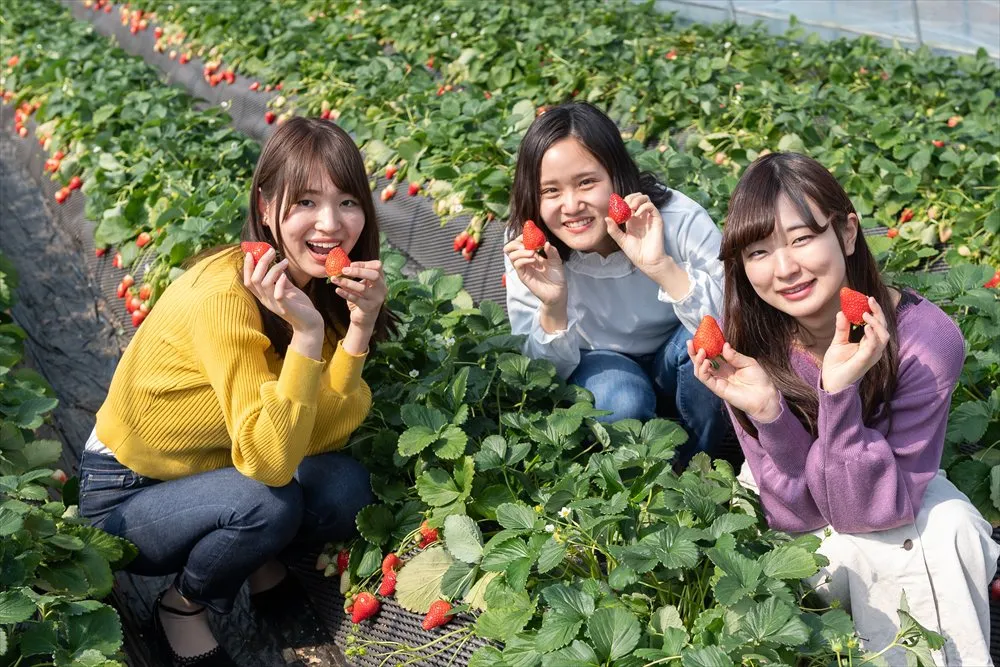
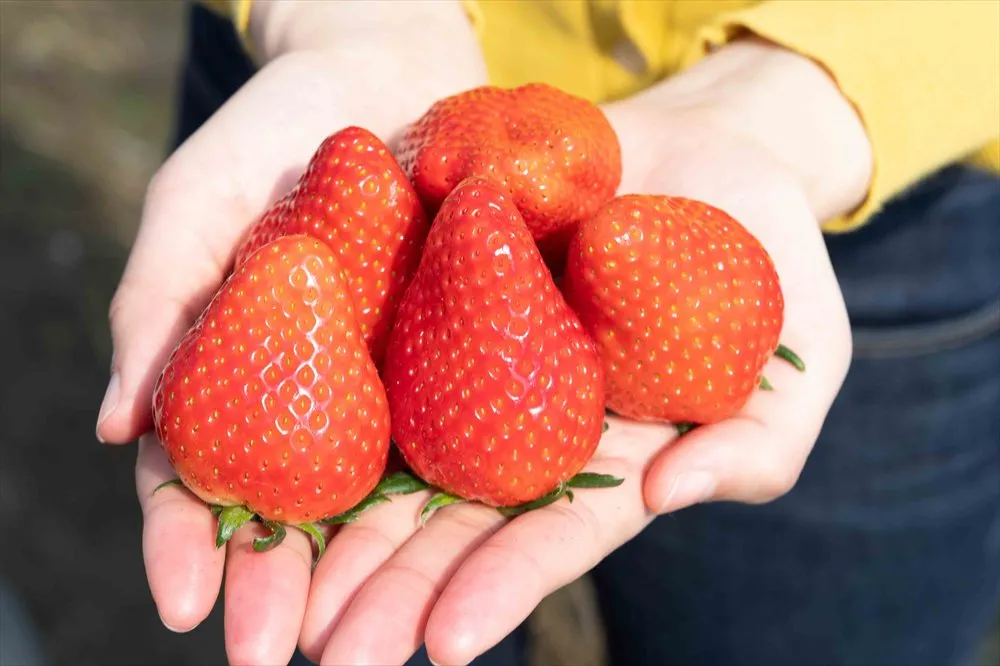
This popular tourist farm offers strawberry picking from December to around May (reservation required). It also has a cafe where you can enjoy pancakes and parfaits generously topped with fresh strawberries—made possible because the cafe is directly operated by the farm. In other seasons, you can also enjoy picking a variety of other fruits.
Access: JR Oyama Sta. → 25 min by bus Business hours: Varies depending on the season Regular holiday: Varies depending on the season TEL: 0285-33-1070 URL: https://www.itigo.co.jp/
┃Mamada no Jagamaita (Oyama City)
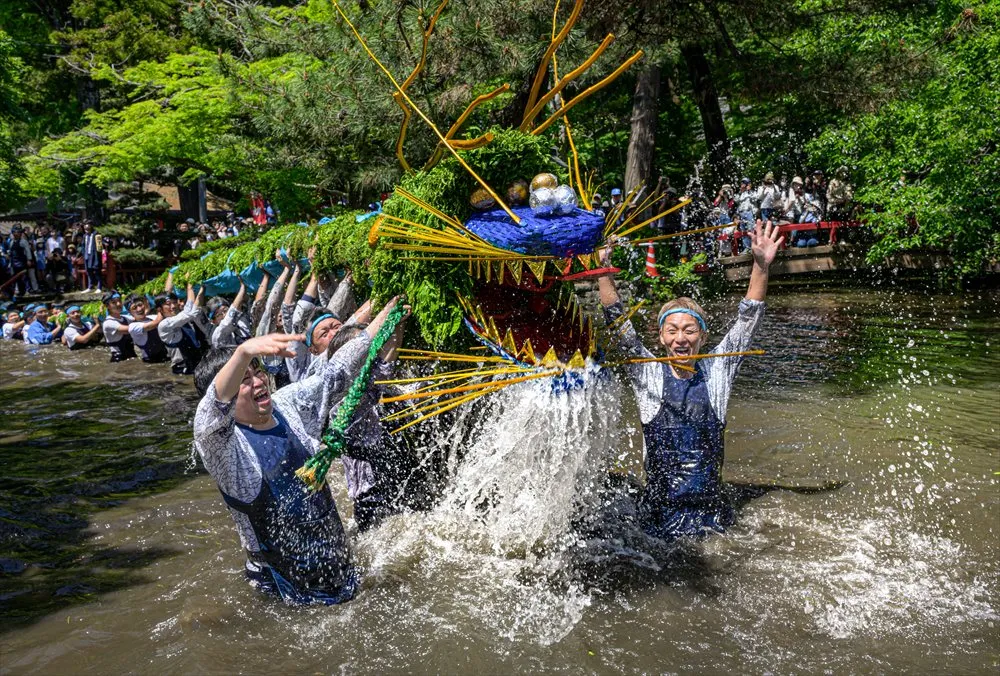
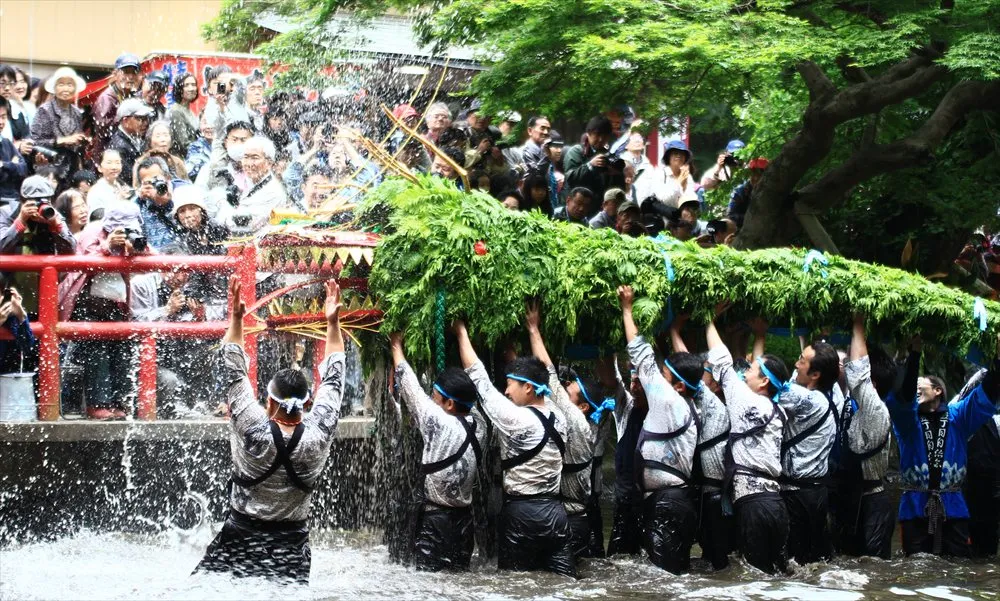
This traditional event in the Mamada area of Oyama City is held on May 5 every year. People parade through the town carrying seven large “Ja” snake figures made of bamboo, straw, and ferns, praying for a bountiful harvest and protection from epidemics.
Access: JR Mamada Sta. → 5 min by community bus → Mamada 4-chome Kominkan bus stop → 5 min walk / JR Mamada Sta. → 30 min walk Business hours: Held on May 5 every year URL: https://www.mamada-hachiman.jp/jyagamaita
┃Tenpyo no Oka Park (Shimotsuke City)
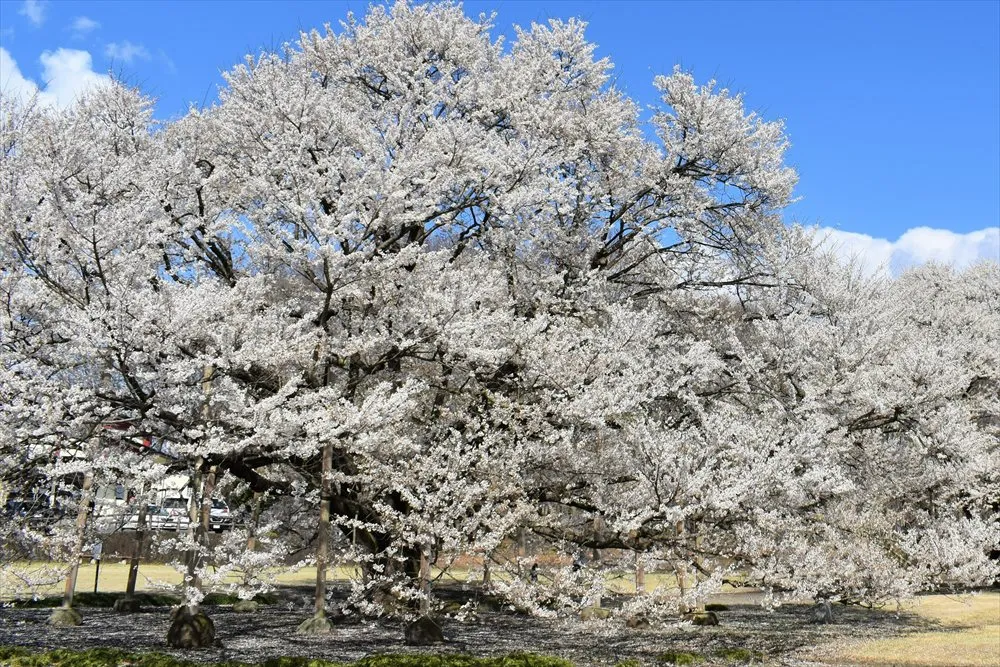
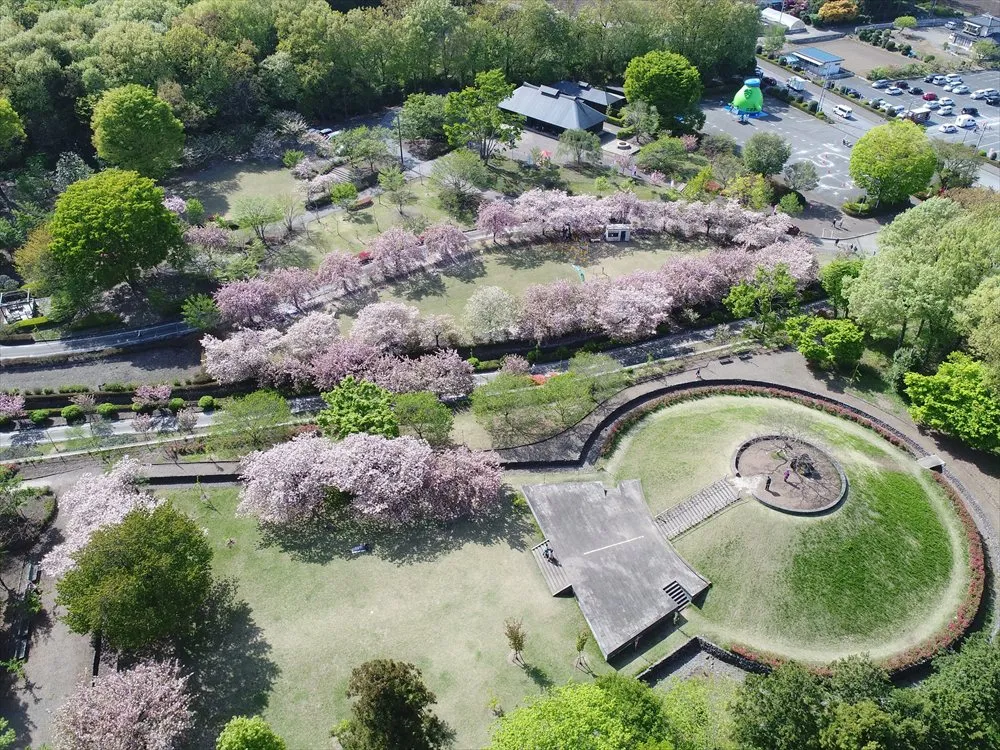
With about 500 cherry trees blossoming in spring, this park is beloved locally as a popular cherry blossom viewing spot. From late March to late April, different varieties bloom in succession, allowing visitors to enjoy the cherry blossoms over an extended period. There is also a popular cafe located in a renovated traditional farmhouse.
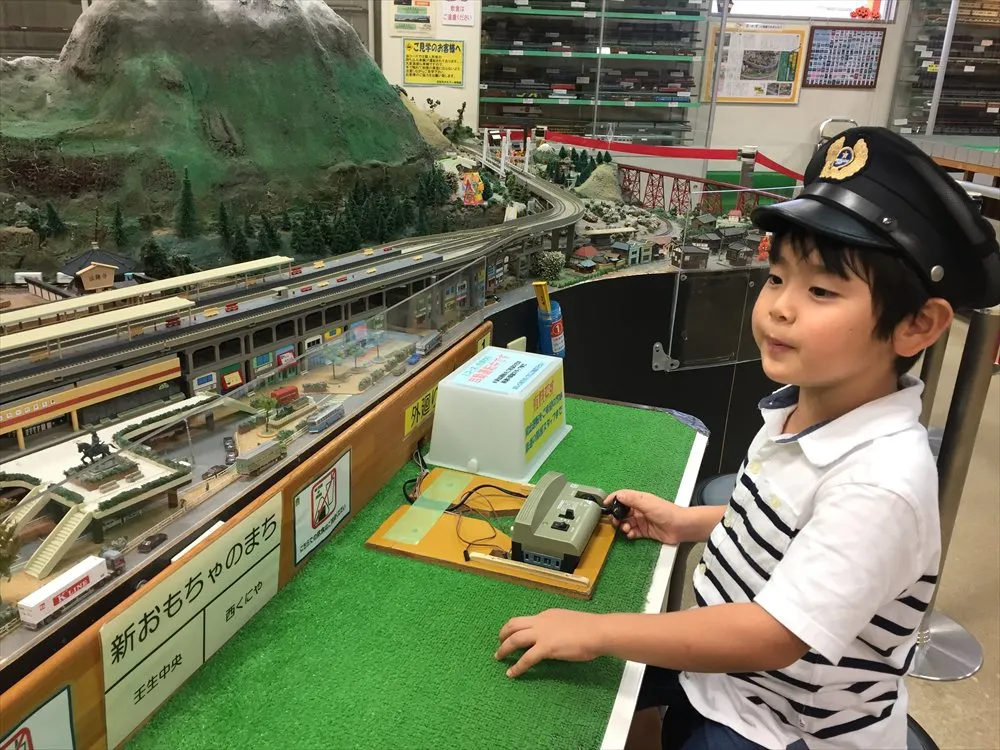
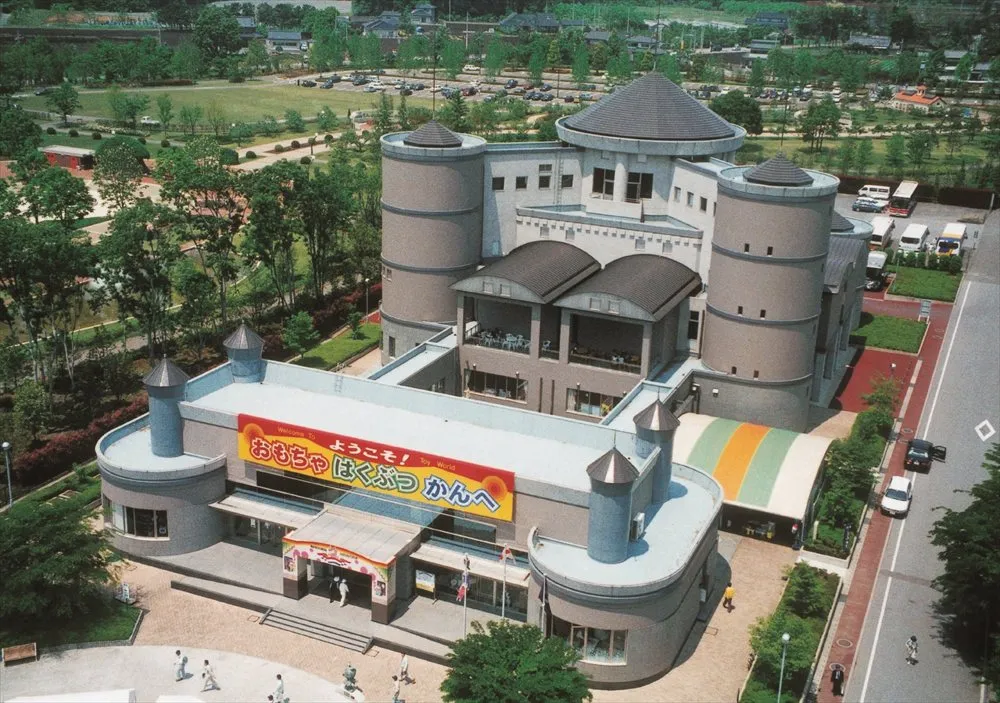
Located within a spacious park, this fun museum showcases a wide variety of toys. Since it is an indoor facility, you can enjoy it regardless of the weather. The annex features a railway model diorama that both children and adults can enjoy.
Access: Omochanomachi Sta. / Kuniya Sta. (Tobu) → 5 min by taxi or 30 min walk Business hours: 9:30–16:30 Regular holiday: Mondays (or the following day when it falls on a national holiday / substitute holiday), December 28 to January 2 TEL: 0282-86-7111 URL: https://omohaku.michinoeki-mibu.jp/
Eastern Area
This peaceful area features a steam locomotive running through natural scenery, where a calm, rural atmosphere prevails. Experience the local satoyama culture rooted in the community.
┃Mobility Resort Motegi (Motegi Town)
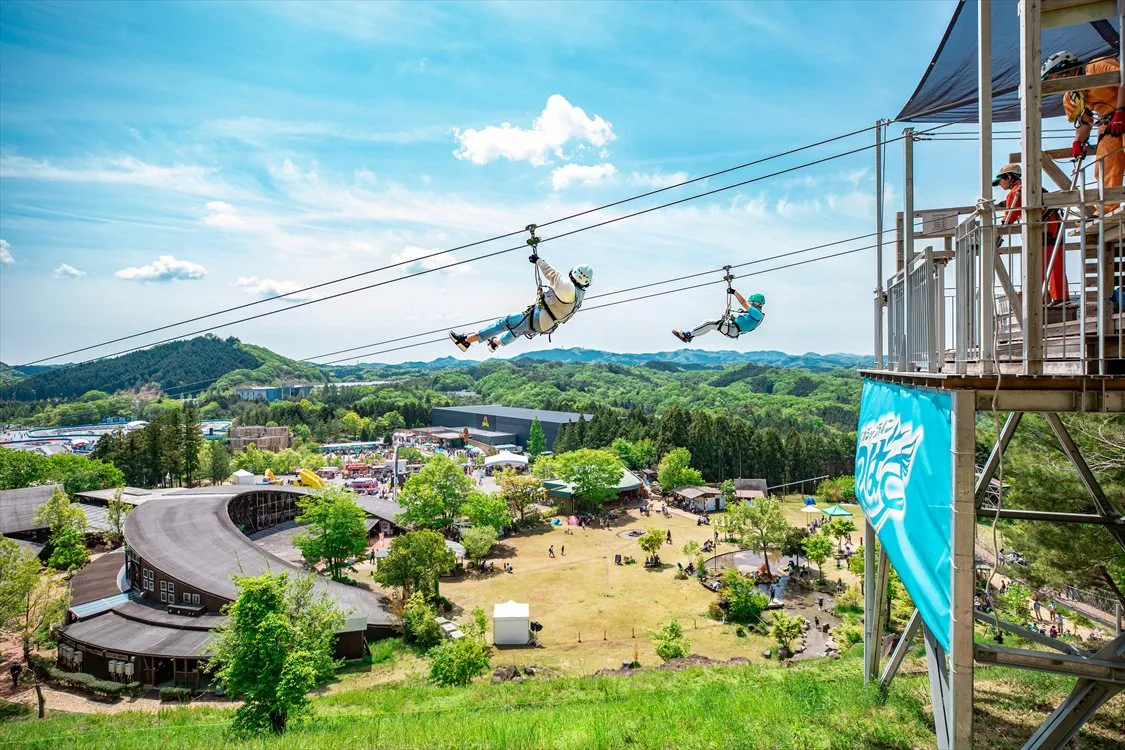
This place offers not only a racing circuit surrounded by a flourishing forest, where you can enjoy watching races and motor sports, but also opportunities to enjoy nature-surrounded outdoor activities and forest exploring. With a glamping facility and hotel as well, it is a place where families can have fun for the whole day.
Access: Motegi Sta. (Moka Railway) → 20 min by taxi Business hours: Please refer to the official websit Regular holiday: December–February: Tuesdays and Wednesdays TEL: 0285-64-0001 URL: https://www.mr-motegi.jp/eng/
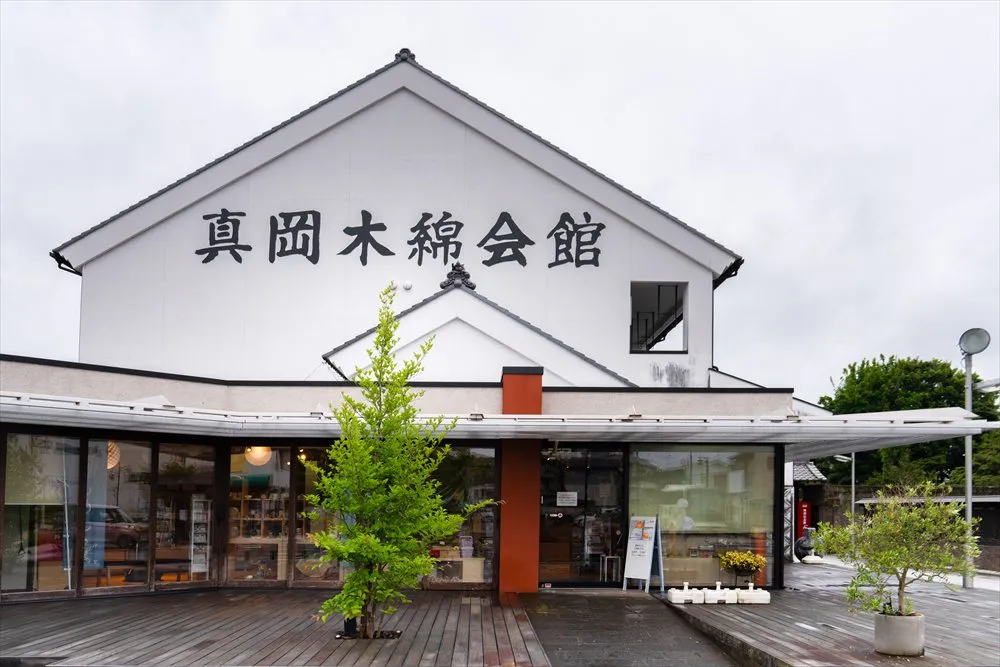
┃Moka Momen Kaikan (Moka City)
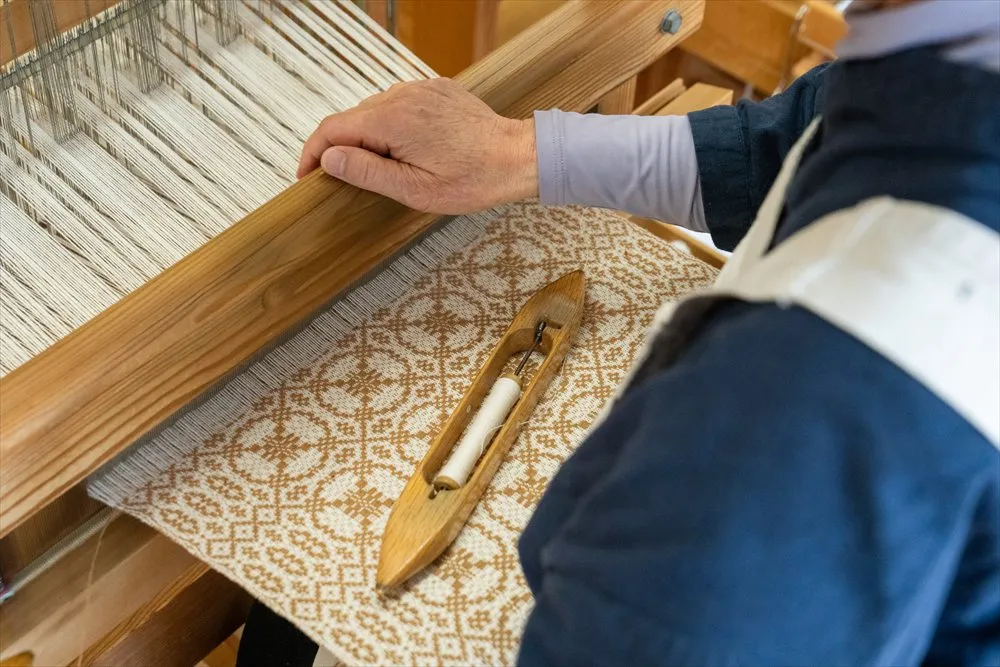
During the Edo period (1603–1868), Moka momen cotton earned a reputation for being durable, high-quality and having a soft texture. This facility showcases the traditional production methods of Moka cotton as well as the textile culture surrounding it. Hands-on experiences in weaving and dyeing are also available (reservation required).
Access: Moka Sta. (Moka Railway) → 20 min walk Business hours: 10:00–17:00 (workshop visits until 16:00) Regular holiday: Tuesdays (or the following day when it falls on a national holiday / substitute holiday) TEL: 0285-83-2560 URL: http://www.mokamomenkobo.com/
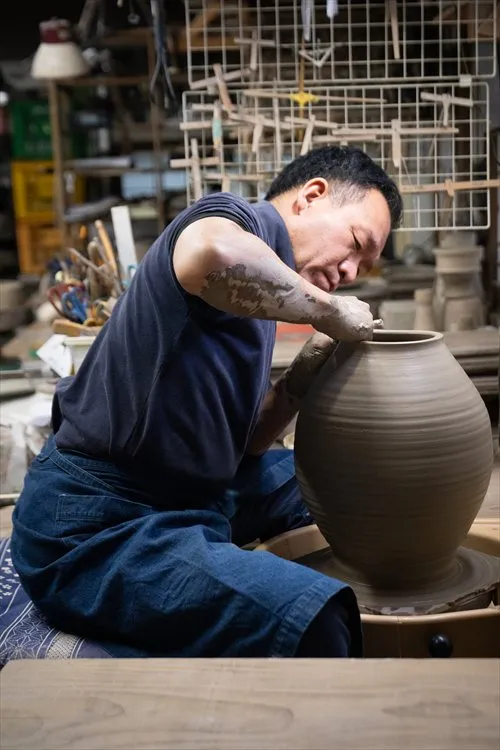
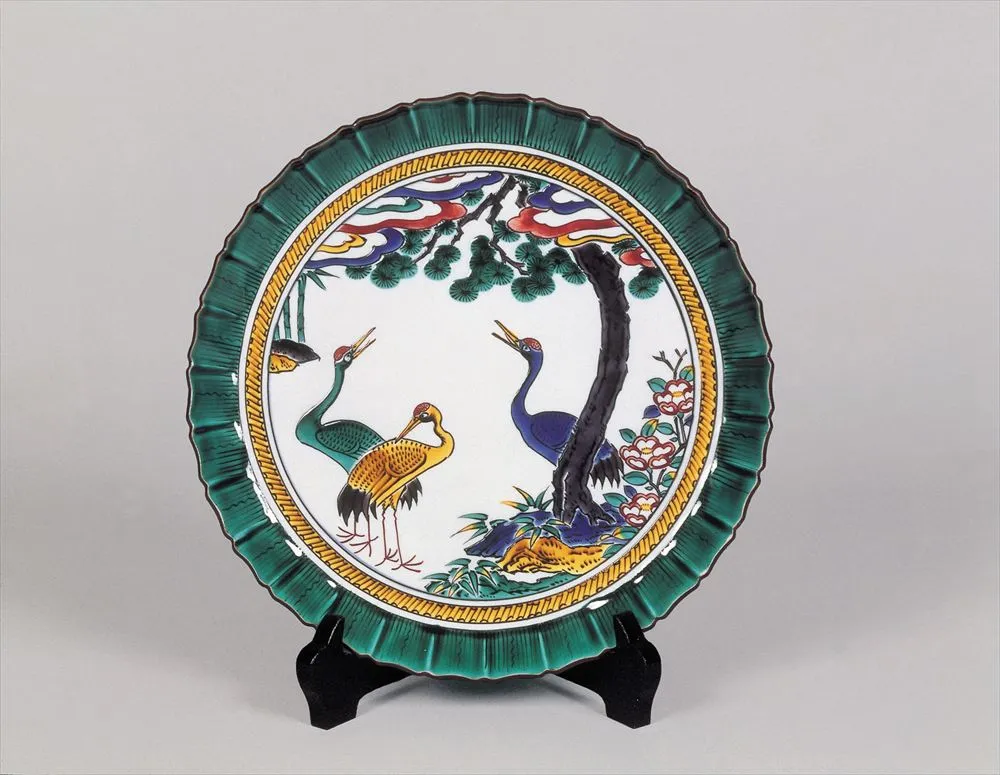
┃Mashiko Ware (Mashiko Town)
Pottery in Mashiko Town began because the area has soil well suited for ceramics. Today, there are said to be about 300 kilns operating in the town. The Mashiko pottery is known for its gentle colors and simple shapes that suit everyday use, but you can also find a wide variety of styles reflecting the individuality of each potter. Enjoy touring pottery shops and searching for your favorite pieces at the pottery fairs held in spring and autumn.
Access: A bus ride from Mashiko Sta. (Moka Railway) / JR Utsunomiya Sta. Business hours: 8:30–17:00 Regular holiday: New Year holidays TEL: 0285-70-1120 URL: http://www.mashiko-kankou.org/english/index.html

_R.webp)

_R.webp)



_R.webp)
_R.webp)