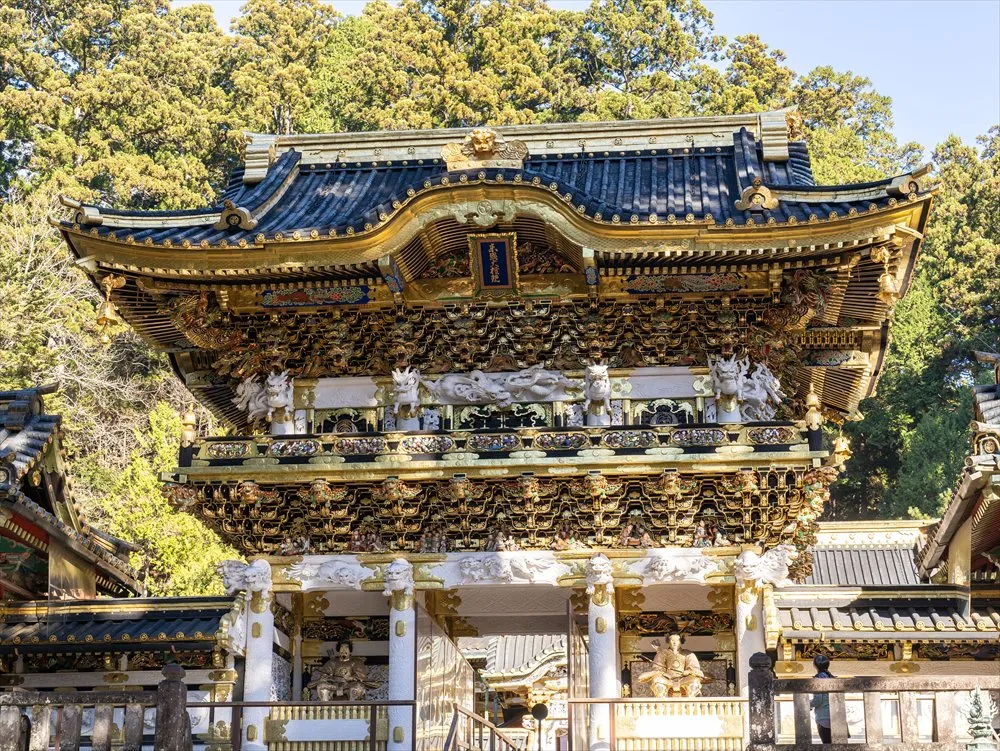
Many people will probably visit shrines during their trip to Japan. Shrines are places not only for visiting but also for getting omamori good-luck charms and goshuin stamps. Omamori are considered to bring various types of good luck and protection, often a specific focus such as peace, health, money, and romance, and some of them recently attract attention with their unique designs. The author, who has been living in Tokyo for seven years and loves visiting temples and shrines, will introduce seven shrines where you can get special omamori.
Asagaya Shinmeigu Shrine
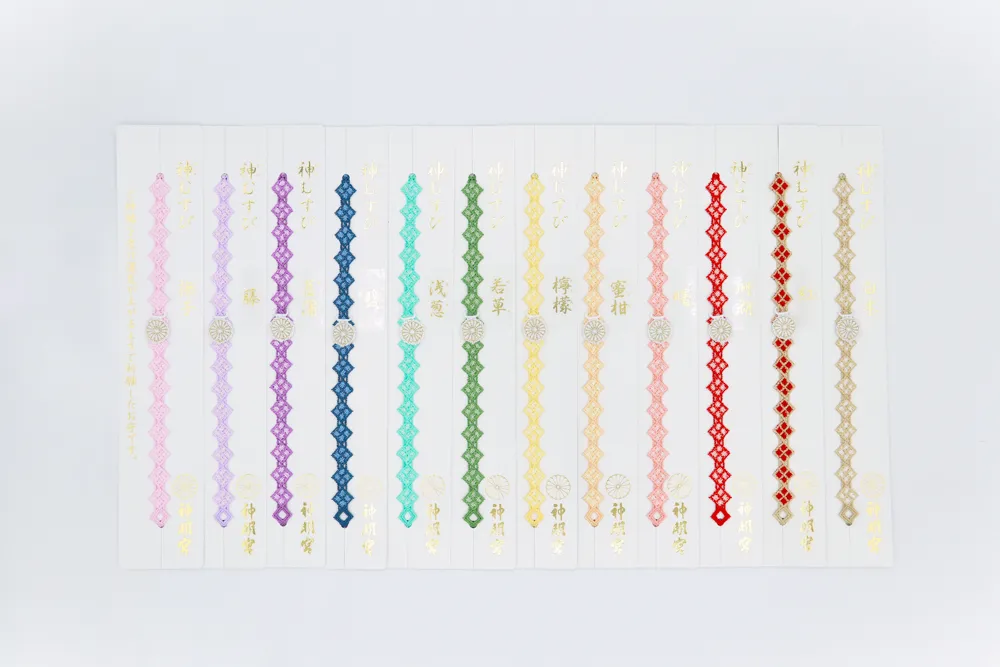
Although located only a few minutes from the closest station, Asagaya Shinmeigu Shrine has spacious grounds of about 10,000 square meters with big, gorgeous trees. The shrine is famous for its original omamori called “kan-musubi.” The bracelet-type lacy charm woven by a traditional technique can be put on your wrist, and it is said to bring good luck to you. The attractive designs and seasonal limited editions are often posted on social media, attracting much attention.
*Regular kan-musubi charms, which are available throughout the year, are named after Japan’s traditional names of color.
Access
JR Asagaya Sta. → 2 min walk
Business hours
6:00-17:00 (varies depending on the season)/ Shrine office 9:00-17:00 (kan-musubi charms available)
Asakusa-jinja Shrine
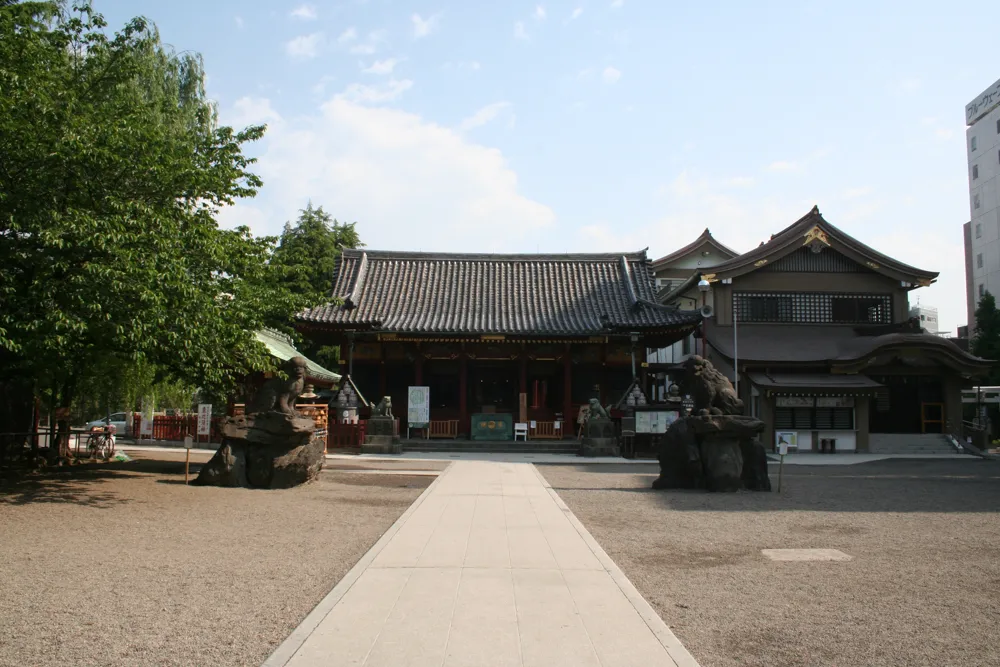
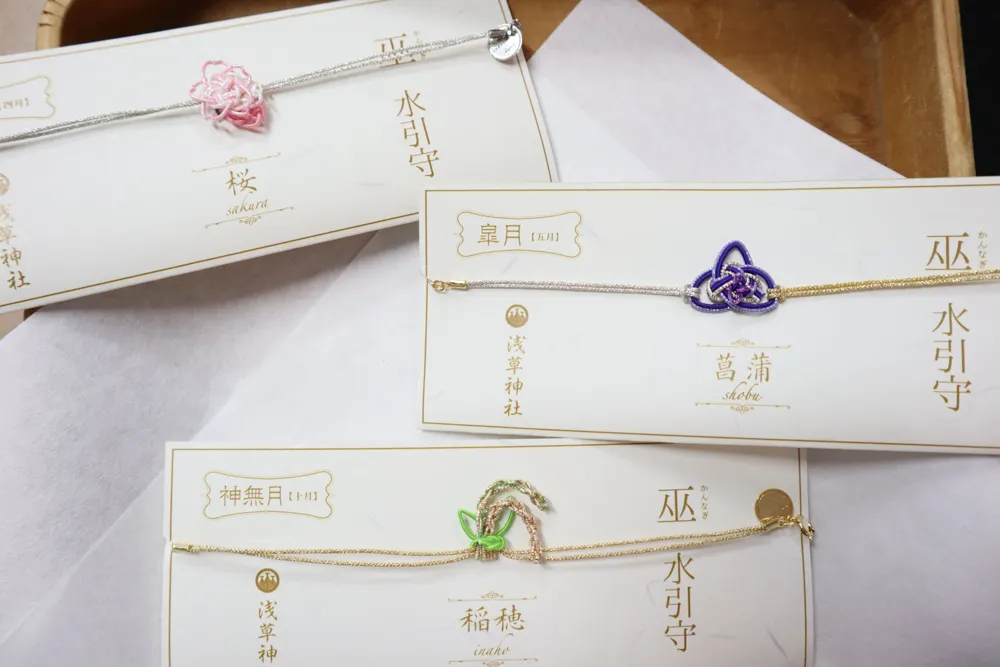
Located very close to Sensoji Temple, which is one of the most popular tourist spots in Tokyo, this shrine offers unique bracelet-type good-luck charms called “Kannagi-mizuhiki-mamori.” A new edition of the charm with a different design is available with a limited quantity of 100 on the first day of every month.
* “Mizuhiki” is a Japanese traditional craft product, which is a decorative string made with washi paper twisted, knotted, and solidified with glue and often used to decorate gifts.
Access
Asakusa Sta. (Tobu, Subway) →7 min walk
Sakura Jingu Shrine
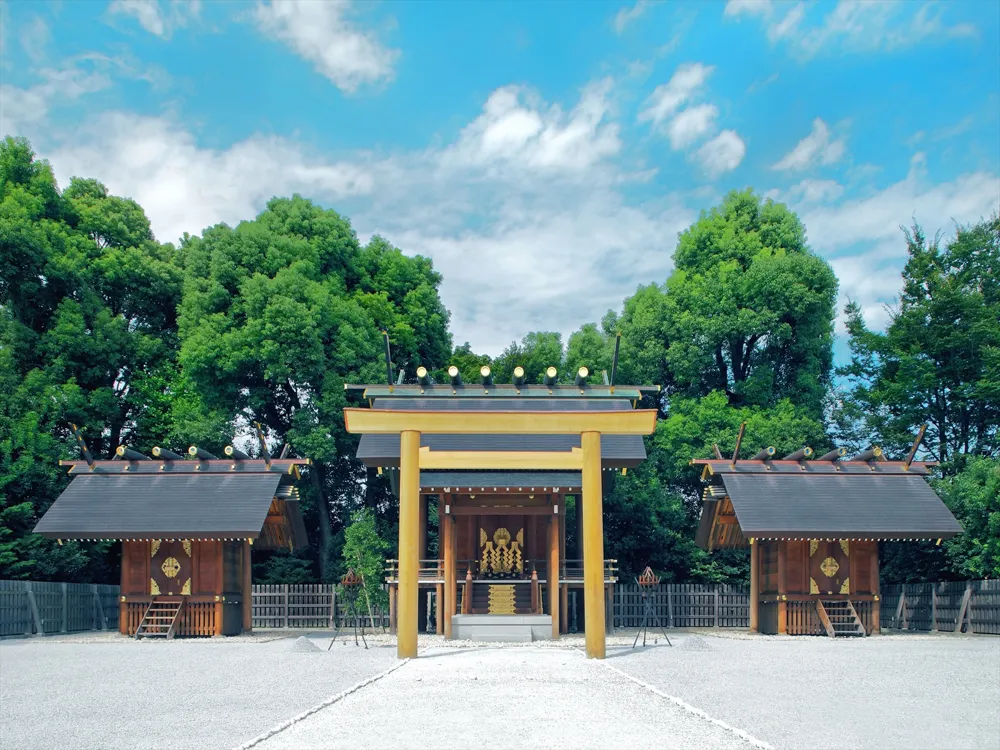
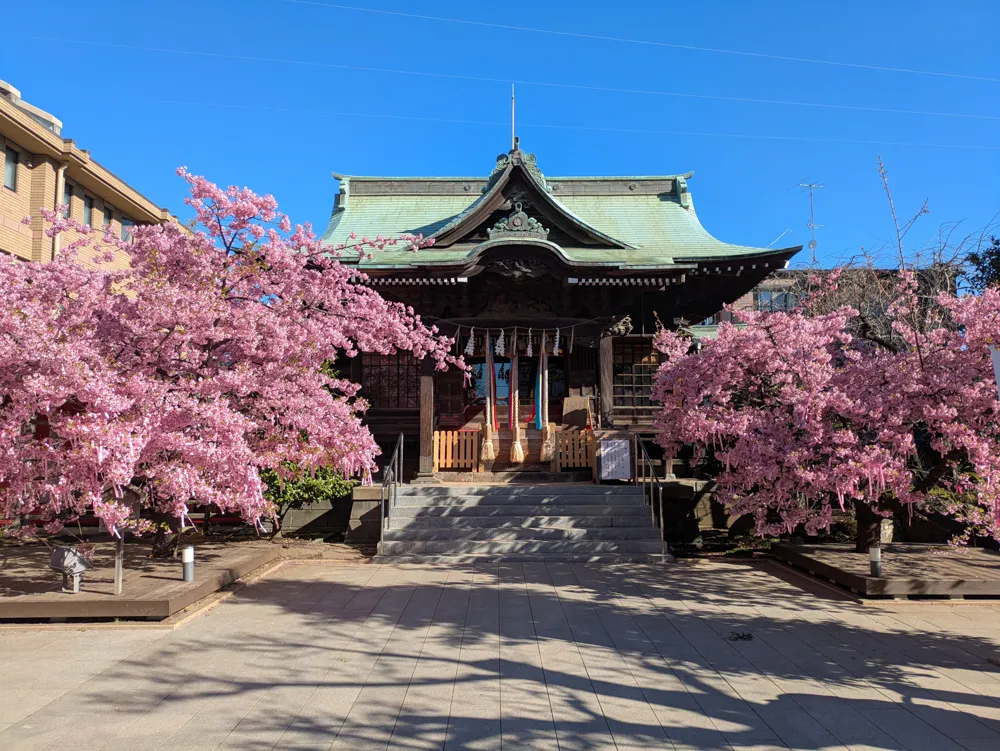
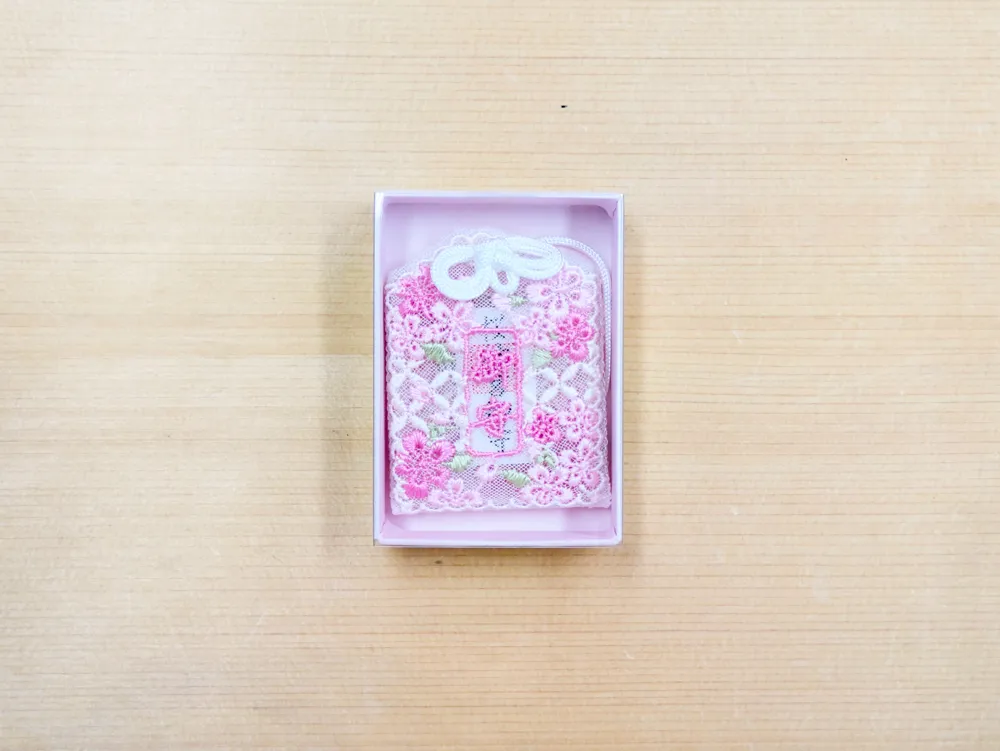
Sakura Jingu Shrine in Setagaya City follows the traditions of “ancient Shinto,” and holds special shinji Shinto rituals, such as the “Chinka-shiki” ceremony, where participants walk barefoot on red-hot charcoal. From late February to around mid-March, you can see gorgeously blooming kawazu-zakura cherry blossoms on the grounds. This shrine offers popular lucky-charms called “lace omamori” with a design of cherry blossoms. In June 2025, a hydrangea version with a faint blue color was available in a limited period, and it is scheduled to be available for June 2026 as well. In addition, two new versions of “lace omamori” with different colors will be available from February 2026.
Access
Sakura-shinmachi Sta. (Tokyu) → 2 min walk
Business hours
9:00-16:00 (shrine office)
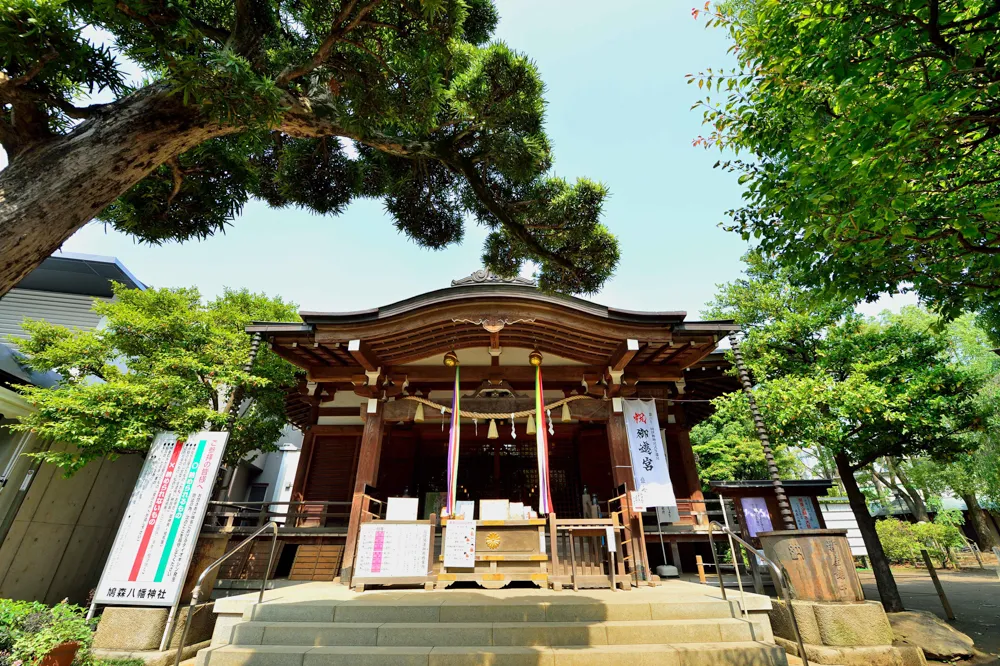
Hatonomori Hachiman-jinja Shrine
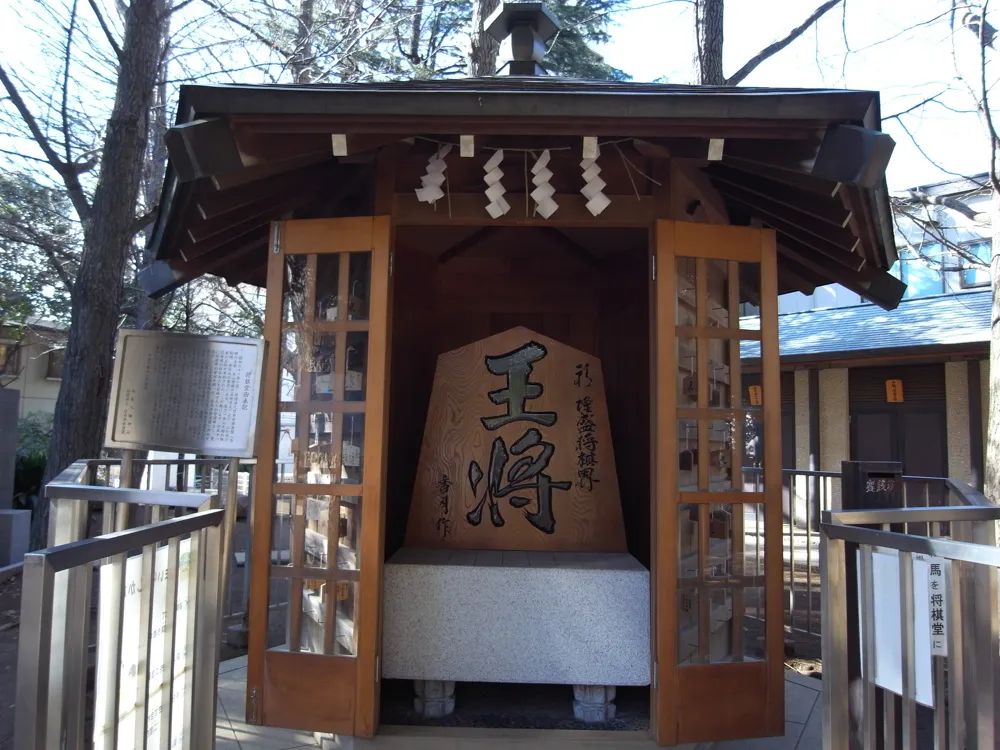
Shogi-do building
This shrine, which used to be located across from the headquarters of the Japan Shogi Association, has a “Shogi-do” building enshrining a guardian deity of people aiming to improve their shogi (Japanese chess) skills. In addition to ema wooden plaques with shogi designs, various other lucky-charms are available, including “ote-kachimamori,” a charm for enhancement of shogi skills and victory in shogi matches. This winning charm comes in a small wooden case with a drawing of a shogi board, so it is not only good to carry around but also nice to have it in your room to brace your spirit.
Access
Sendagaya Sta./Kitasando Sta. →7 min walk
Business hours
9:00-17:00 (omamori office)
Myogi-jinja Shrine
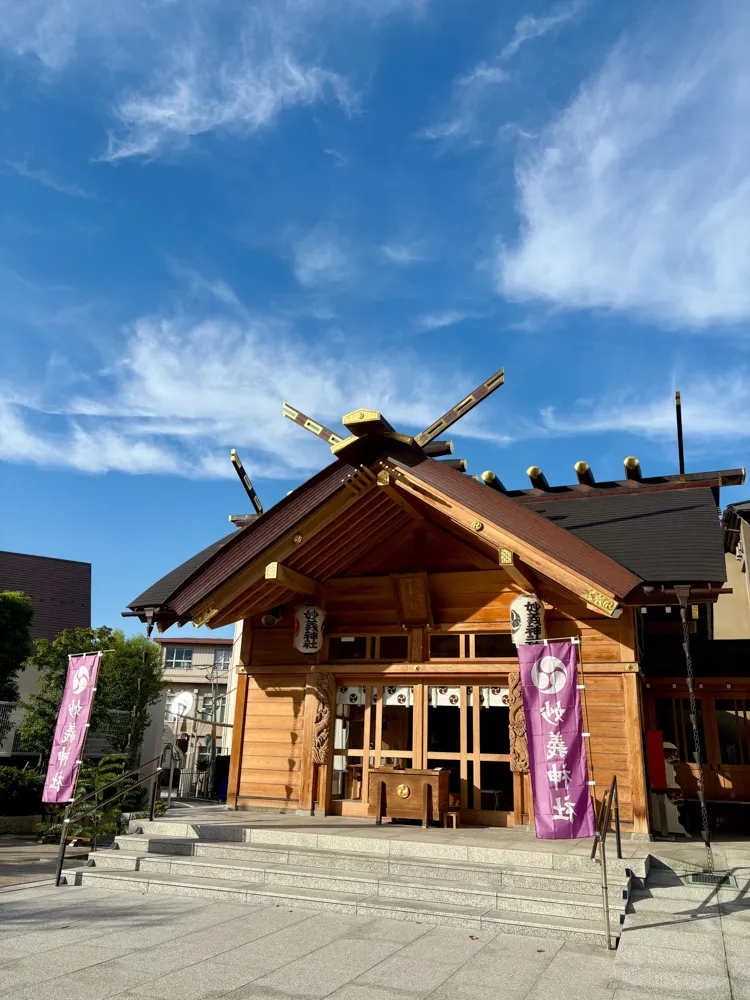
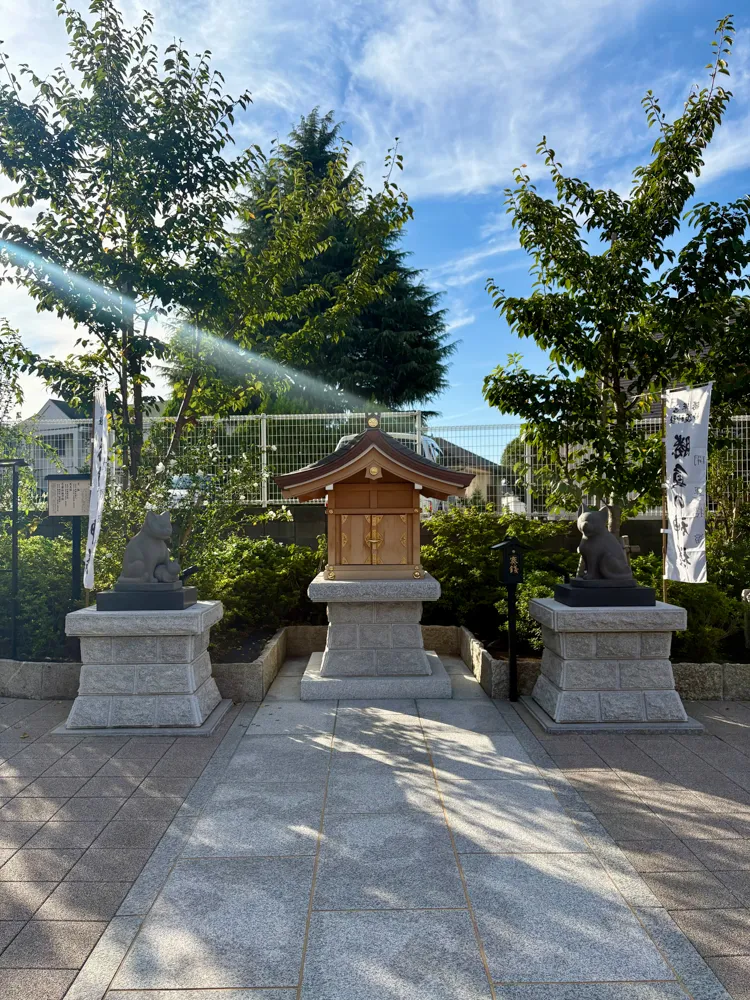
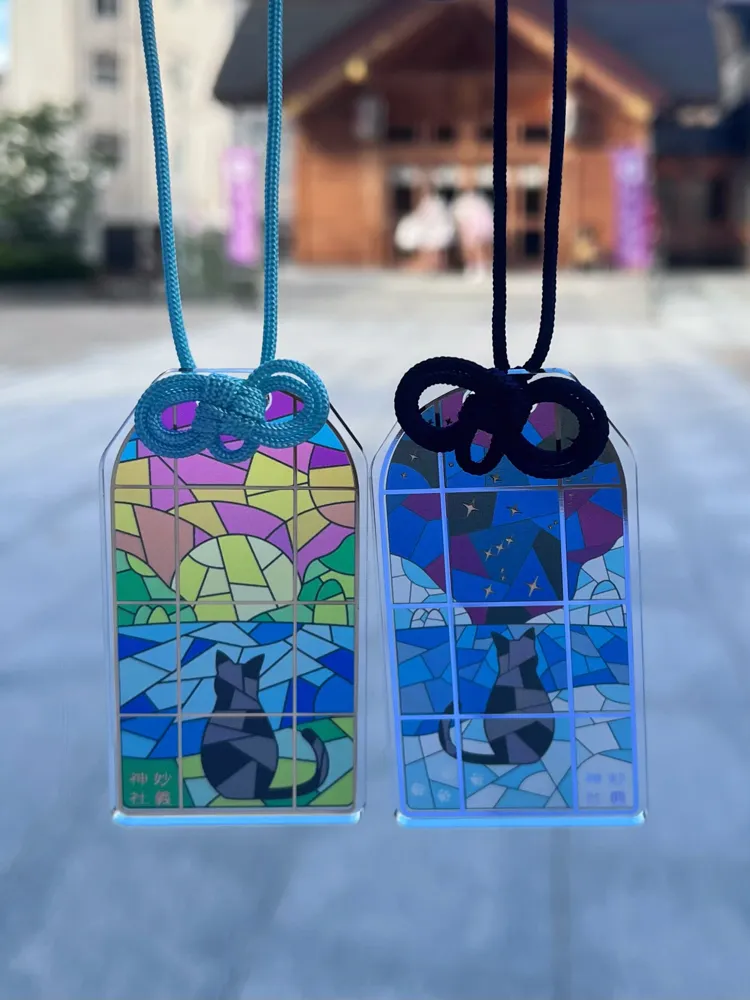
With a history of more than 1,300 years, this historic shrine has a small subordinate shrine on the grounds enshrining Ota Dokan, a samurai lord who excelled in various fields in the 15th century in Edo (current Tokyo). He has an interesting story attached to him that he had a lucky escape by being led by a black cat when he was losing a battle. This shrine offers “michibiki-mamori” lucky charms embroidered with a small black cat and “reimei-mamori” charms, which look like beautiful stained glass works.
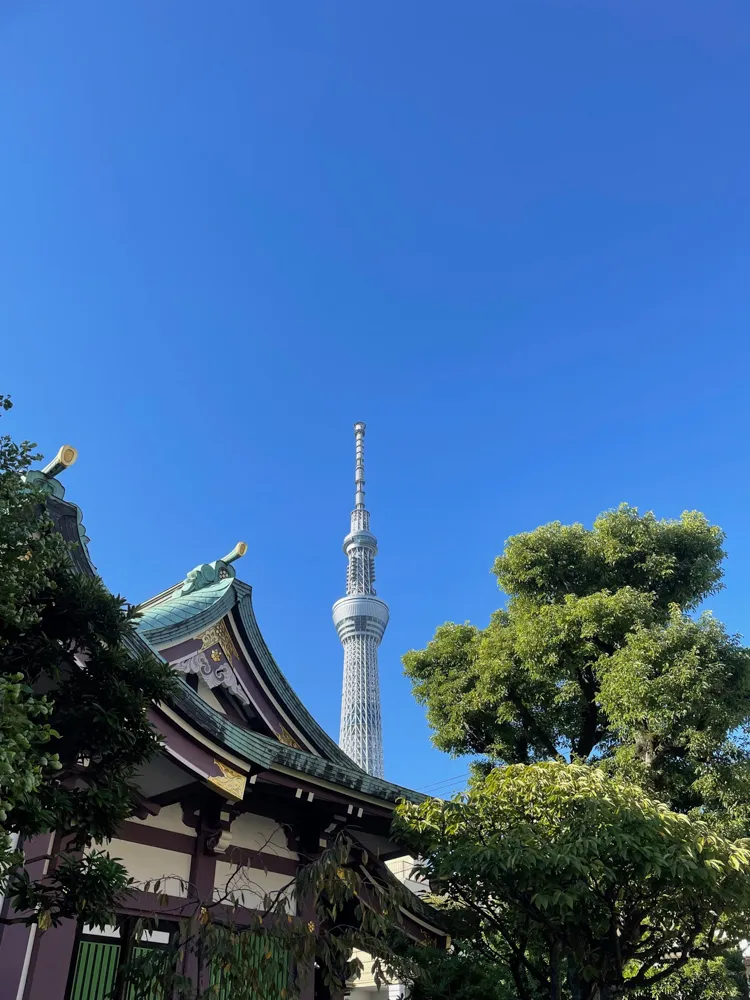
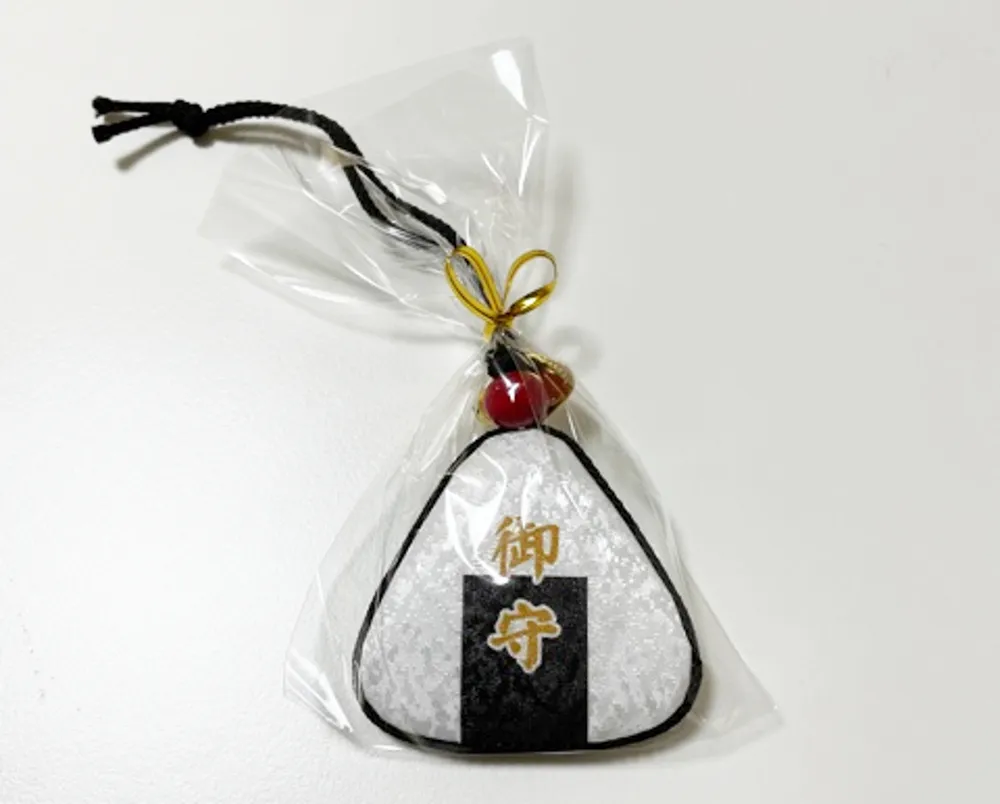
Takamimusubi-no-kami enshrined at Takagi-jinja Shrine is one of the three oldest gods of creation described in Japanese mythology. The term “musubi,” which is included as “musubi” in “Takamimusubi,” means “connecting” and “production/creation,” and has the same pronunciation as “omusubi,” which is another name for an onigiri rice ball. The omusubi-shaped lucky charms, which are available at this shrine and believed to bring good relationships, are so cute that you cannot help but pick them up to take a closer look. You can also find many decorations with omusubi-shaped motifs on the precincts of the shrine.
* Bringing good relationships does not refer only to romantic relationships but any other kinds of encounters and connections with people, work, and so on.
Access
Hikifune Sta. →5 min walk
Business hours
9:00-16:00 (shrine office)
Tokyo Daijingu Shrine
写真提供:東京大神宮
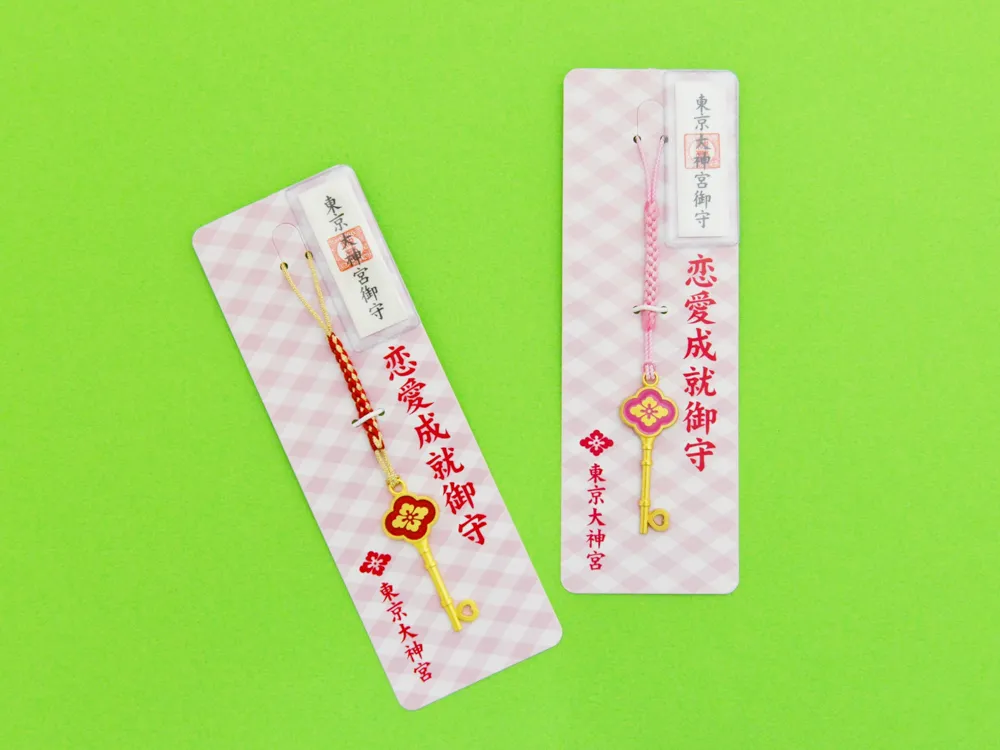
Enshrining the deities Amaterasu-Omikami and Toyouke-no-Okami just like Ise Jingu, allowing people in Tokyo to worship those deities from afar, Tokyo Daijingu Shrine is famous as a shrine bringing good relationships. One of the recommended lucky charms available at this shrine is a key-shaped omamori: the key is to open the heart of the one you love in a wish for a successful romantic relationship.
写真提供:東京大神宮
Access
Iidabashi Sta. → 5 min walk
Business hours
8:00-19:00 (omamori available)
Q&A about omamori
Q1) How should I handle omamori? Can I give my omamori to someone else or give someone omamori as a gift?
An omamori is considered to contain the power of a god, so it is recommended to carry it around with you in your wallet or bag. It is basically not a problem to give omamori to someone but it is important to keep in mind that omamori are a sacred items and you should not handle one as a mere souvenir or commemorative item.
Q2) Is there an expiry to omamori? If it is expired, what should I do with it?
There is no definite expiry date for omamori; however, it is assumed that the blessings and protection from omamori gradually decrease as the time goes by. Therefore, there is a custom where people bring omamori they have been using to a shrine for a ritual burning. Many shrines set up a place called “koshinsatsu osamejo” to accept old omamori people bring in for a ritual burning, during the year-end and New Year holidays. Some shrines accept old omamori throughout the year.
Q3) If I have multiple omamori, wouldn’t the gods in the charms end up fighting against each other?
In Japanese Shintoism, people believe that everything around them have gods within. So, the gods won’t have any dispute; however, you should limit the number of omamori to the level at which you believe you need and at which you can take good care of them because omamori are not collectible items.
att.JAPAN consists of members in their 20s and 30s, and we are all travel lovers. In addition to information about sightseeing and great dishes all over Japan, we offer a wide range of information about various subjects/topics, such as onsen (hot spring) and ryokan hotels. We introduce lots of information only att.JAPAN can offer, including information about famous sightseeing spots, the latest news about new facilities all over Japan and rare less-known areas in Tokyo, one-day model walking courses, and anime pilgrimages. We also offer contents to introduce Japan from the view of writers from abroad.

.webp)