Why do people climb Mt. Fuji? And, more importantly, why did they begin doing so in the first place?
Today, many people visit Mt. Fuji for sport climbing, but the mountain has long been the object of religious devotion. In 2013, it was inscribed on the UNESCO World Cultural Heritage list as “Fujisan, sacred place and source of artistic inspiration.”
Fujiko(富士講) is one of the components of this cultural heritage. It is a faith centered on Mt. Fuji as a sacred mountain, in which believers purify both body and mind through pilgrimage and worship. The practice spread during the Edo period (1603–1868), and numerous groups from across Japan traveled to the area as part of their devotion. Today, tours that allow participants to retrace and experience the Fujiko culture are organized around Mt. Fuji. This time, a member of the att.JAPAN editorial team joined one of these tours and will share the experience here.
This tour is packed with special programs that even local residents rarely have the chance to experience. I joined a one-night, two-day plan that allows participants to experience Fujiko while visiting sacred sites scattered around the foot of Mt. Fuji. It felt as though I had traveled back in time.
Please note that the contents of this plan are subject to change.
For more details, please visit the tour organizer’s website. https://fuji-ko-trail.com/en/
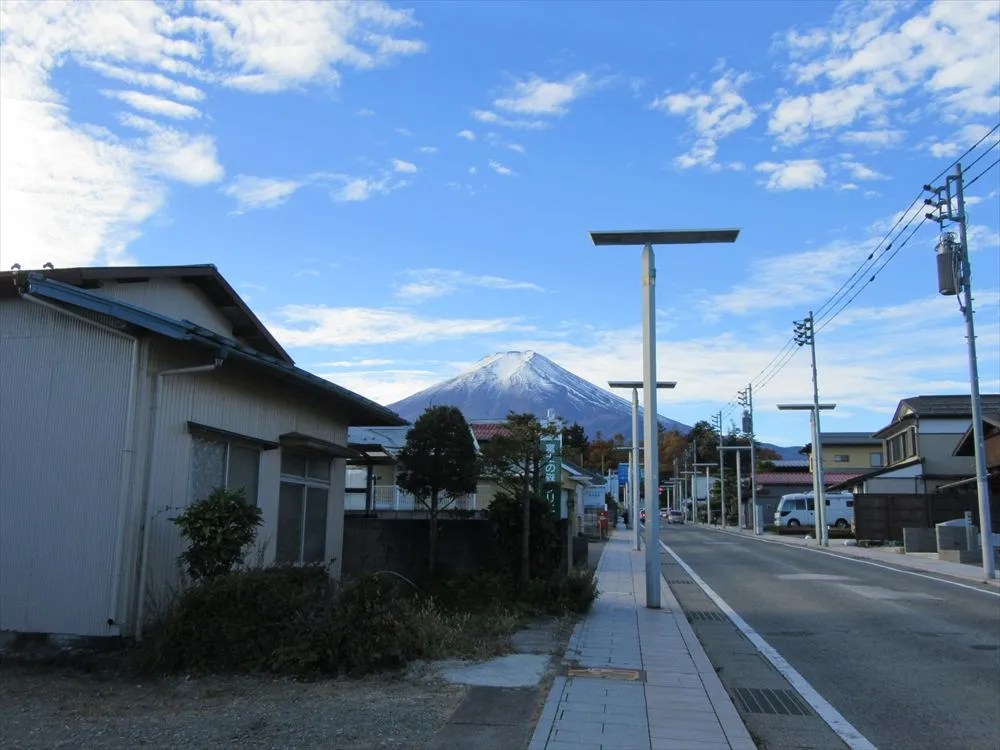
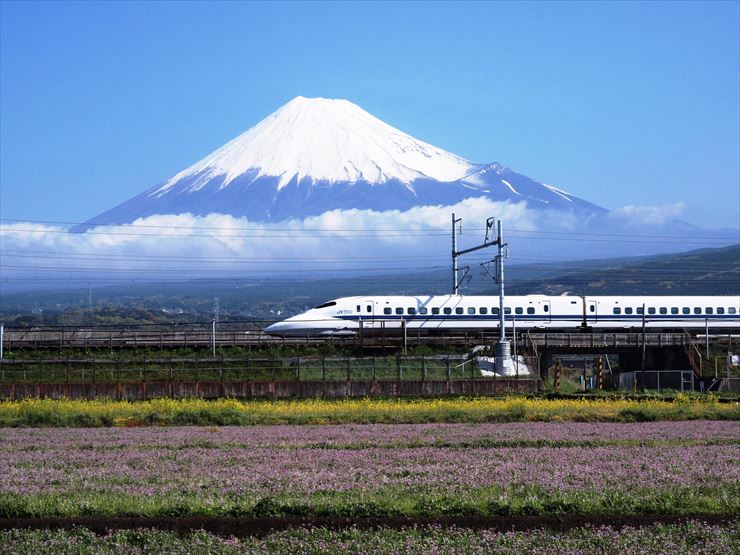
Mid-November, as people on the streets begin to change into their winter attire, I boarded a limited express train from Shinjuku Station and traveled for about an hour to Otsuki Station. After meeting the tour organizer at the station, we headed toward Fujiyoshida City, located at the foot of Mt. Fuji. The weather was perfectly clear. We set off by car, and before long, a beautifully snow-capped Mt. Fuji came into view in the distance.
Since the official climbing season for Mt. Fuji is limited to early July through early September, visiting the area at the foot of the mountain at this time of year is relatively uncommon. Yet the more I listened, the more fascinating the stories became. Through firsthand experiences, I was able to discover a different way to enjoy Mt. Fuji, one that goes beyond simply climbing it.
The Fujiko Tour Experience
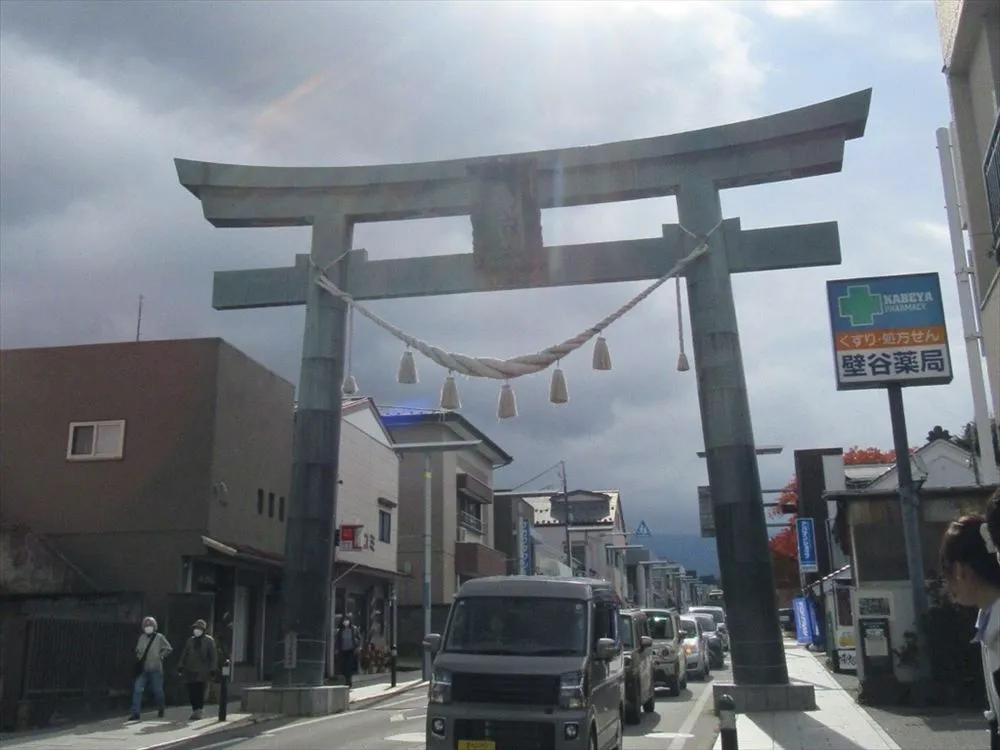
A large Kana-torii gate suddenly appears along the road. From this point onward, for about one kilometer, the houses of oshi, religious guides and priests, line the street.
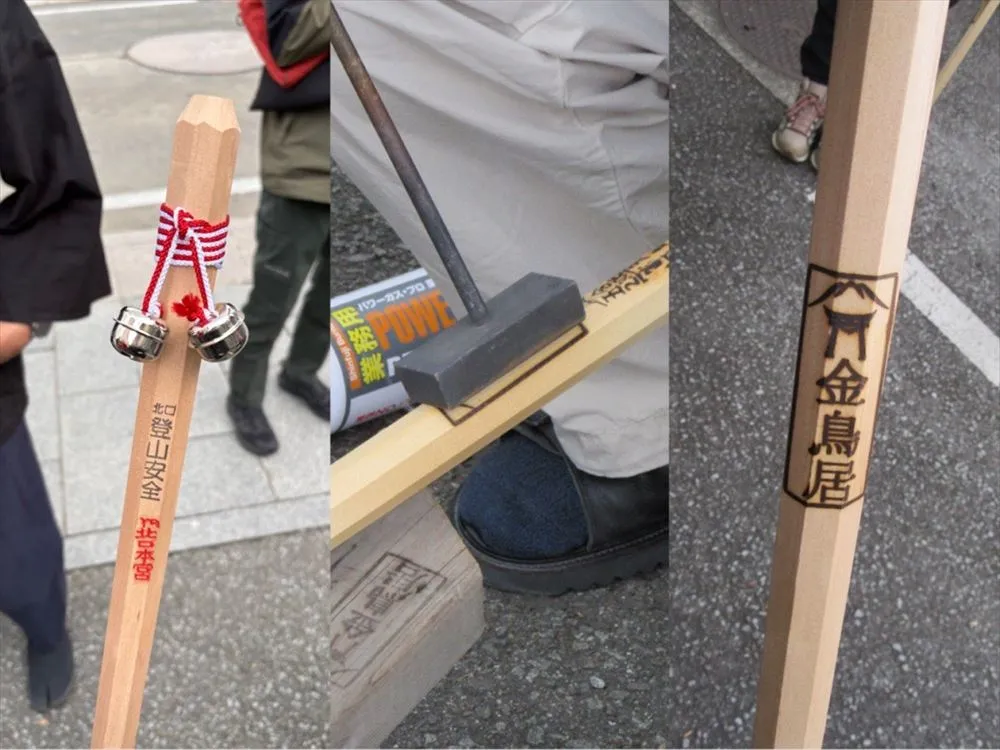
This is a kongo-zue, a pilgrimage walking stick that can be obtained at places such as Naka no Chaya, a teahouse at the base of the trail, or at the Fifth Station. One of the pleasures of the pilgrimage is collecting branded stamps burned into the stick at each point reached, including the 5th Station, 6th Station, and eventually the summit. I had the Kana-torii stamp added at a nearby pharmacy.
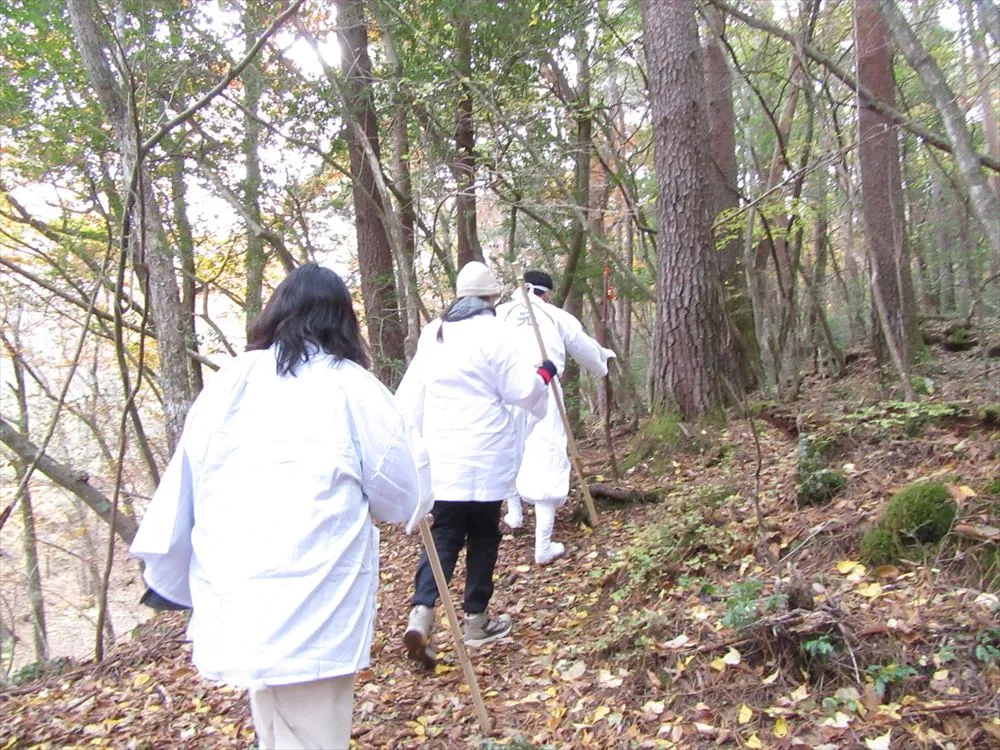
Next, I put on white robes known as gyoui. Mt. Fuji is regarded as a realm of gods and Buddhas and is believed to be akin to the afterlife. Returning from a pilgrimage to Mt. Fuji symbolizes rebirth, and it is said that illnesses may be cured and wishes fulfilled.
Now dressed just like members of the Fujiko, it is time to begin the experience.
First, we headed to Mirokudo. This is an important site where a key figure who contributed to the development of the Fujiko is enshrined, and here we experienced a moment of prayer.
Next, we walked toward the Yoshida Tainai Jukei. As we set off, we responded with a spirited “Oh!” after the leader’s call of “Departure!” The sound of the bells attached to the kongo-zue, echoing through the quiet forest, deepened the feeling of stepping back in time.
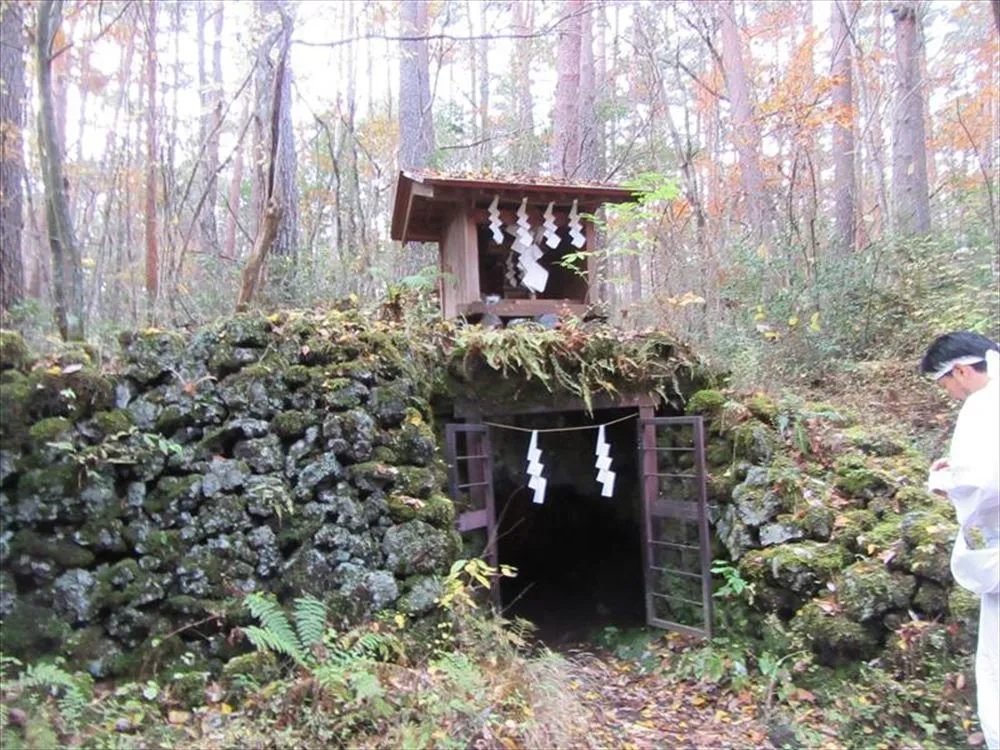
After about a 15-minute walk, we arrived at the Yoshida Tainai-Jukei. This cave was formed by lava from Mt. Fuji’s eruption in 937 along with surrounding trees. About 20 meters inside, Konohanasakuya-hime no Mikoto, the deity of Mt. Fuji, is enshrined. Bending low, we made our way through the narrow interior, offered our prayers at the back of the cave, and then returned. It was a solemn and deeply mystical experience.
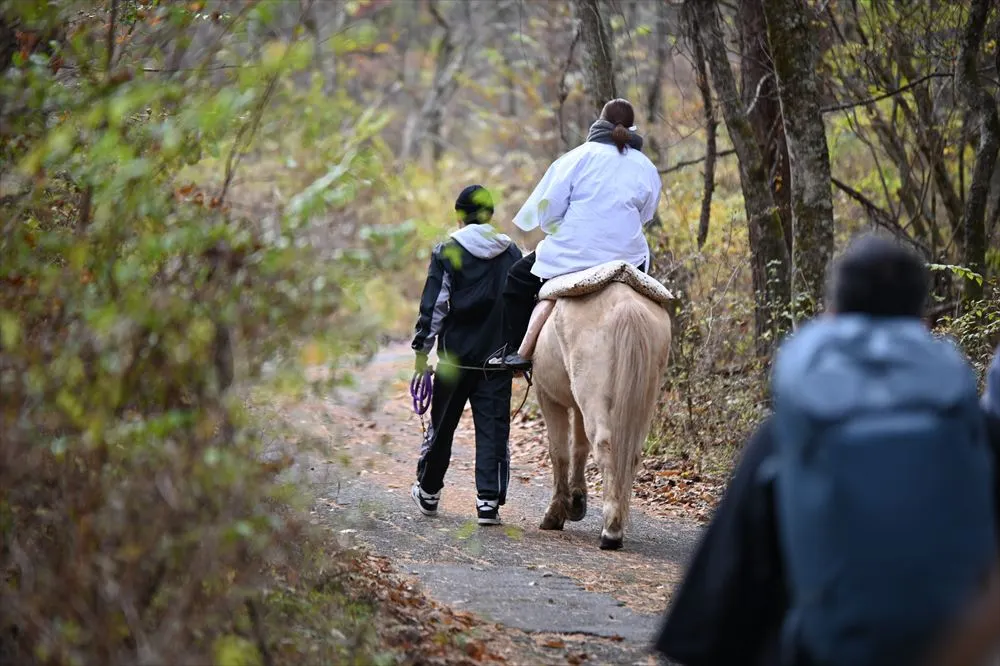
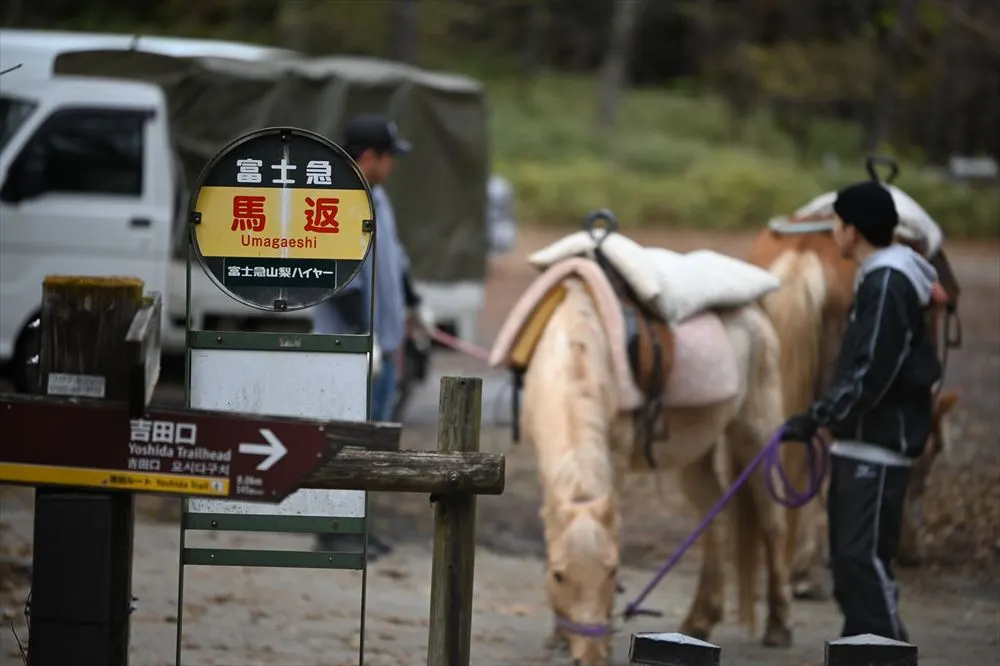
Next, we embarked on the Yoshida Trail, the only one among Mt. Fuji’s many climbing routes that still preserves its original form and allows travelers to ascend from the foothills all the way to the summit. We traveled on horseback, the mode of transport used in the past. Participants took turns about every 15 minutes, proceeding as far as a point along the route known as Umagaeshi. When it was not our turn to ride, we walked behind the horses.
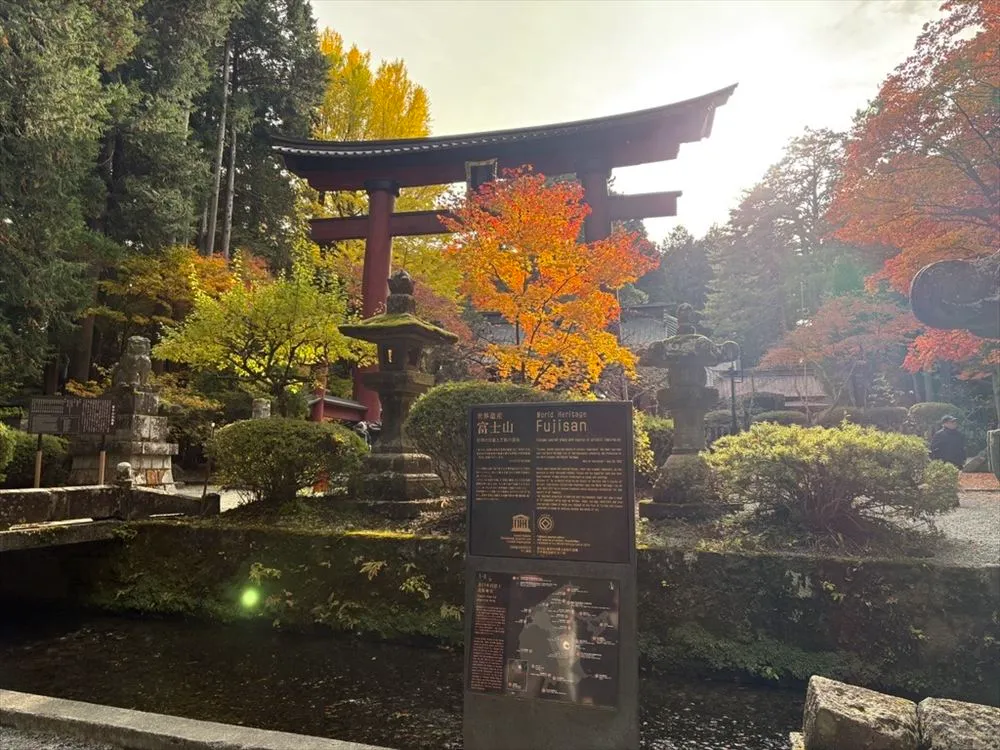
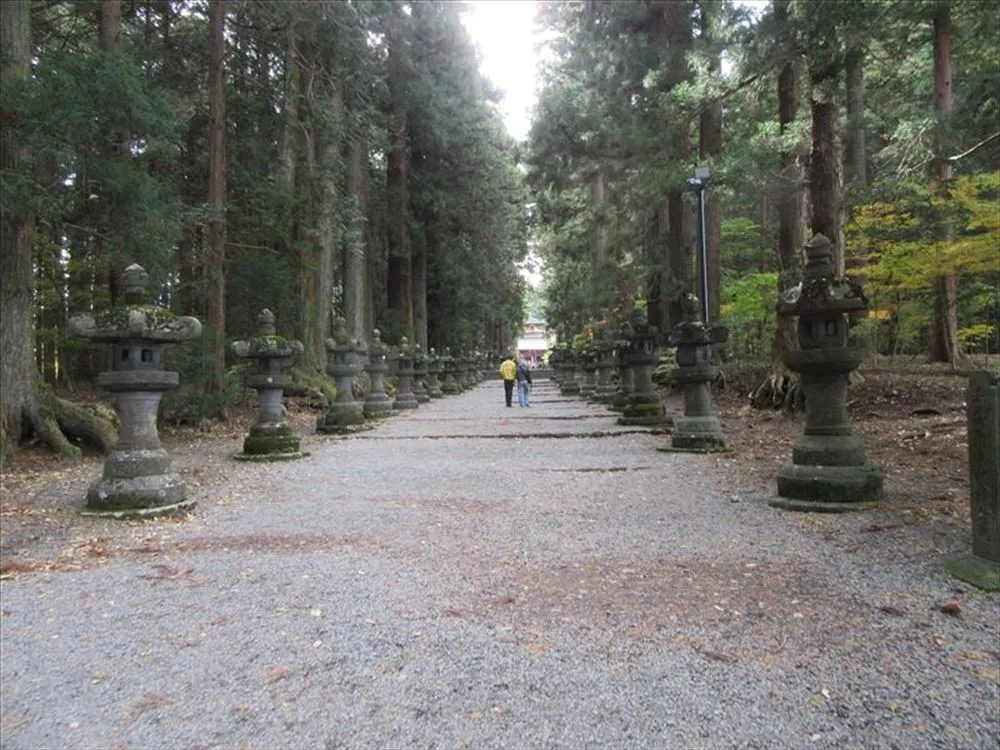
The final stop on our tour was Kitaguchi Hongu Fuji Sengen-jinja Shrine. Passing through the torii gate facing the road, we found a shrine approach that stretches deep into the grounds. Quiet and mysterious, this path has a calming effect on the mind as you walk along it.
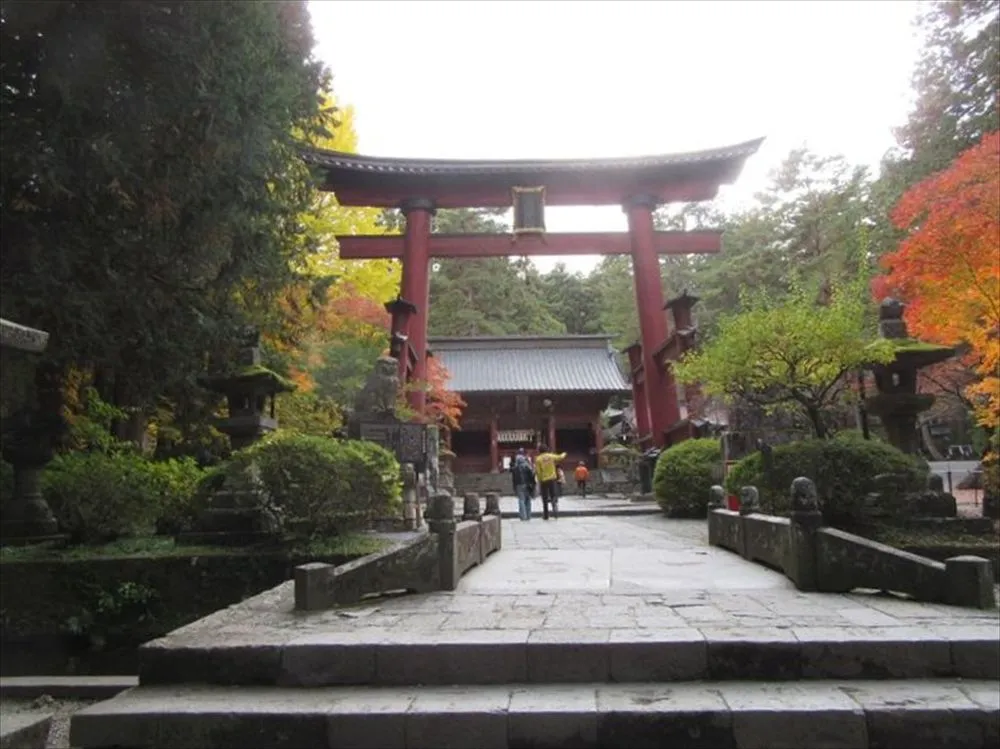
As we proceeded, a grand torii gate of Mt. Fuji came into view before us. Its commanding presence was truly impressive.
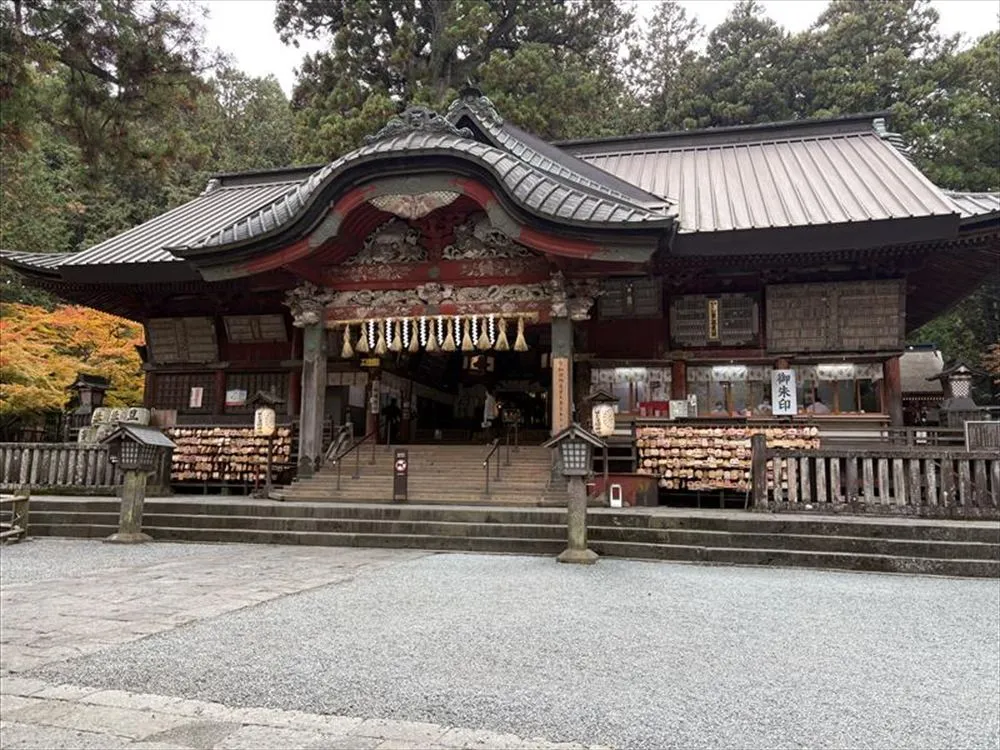
At the spacious shrine hall, filled with a solemn atmosphere, we received a prayer ceremony.
Oshi house
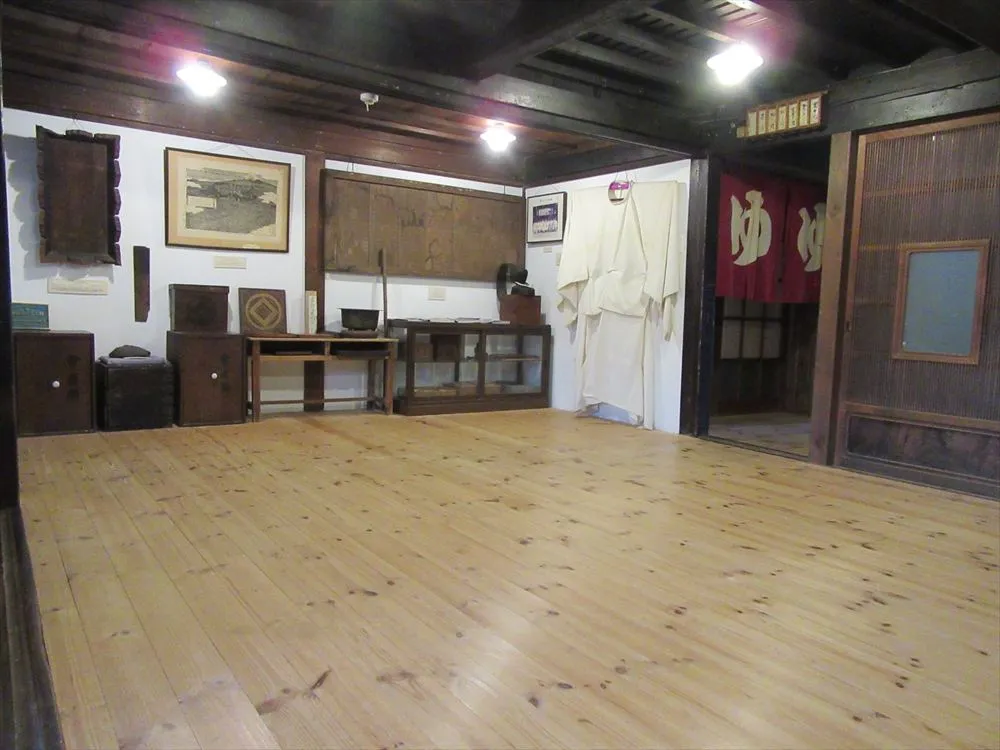
Within the city, there remain houses of oshi, Shinto priests who traditionally operated lodgings for pilgrims, which preserve the religious culture of that era to this day. In the past, there were some 80 to 90 such houses, but today only a very small number still accept overnight guests. During this visit, we stayed at one of these rare remaining lodgings.
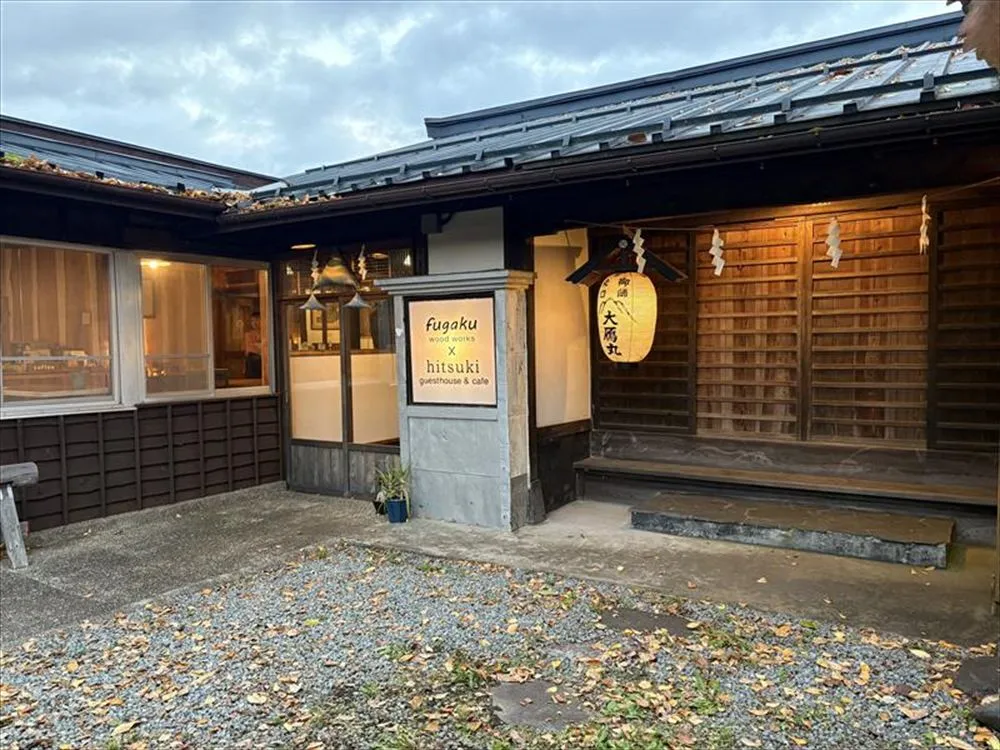
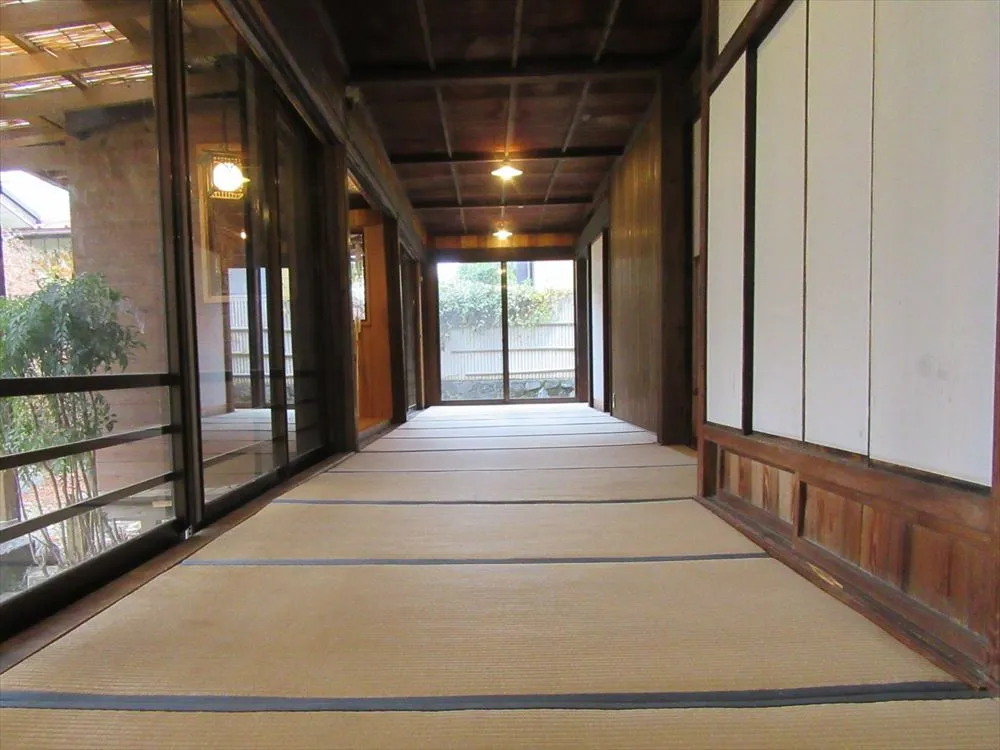
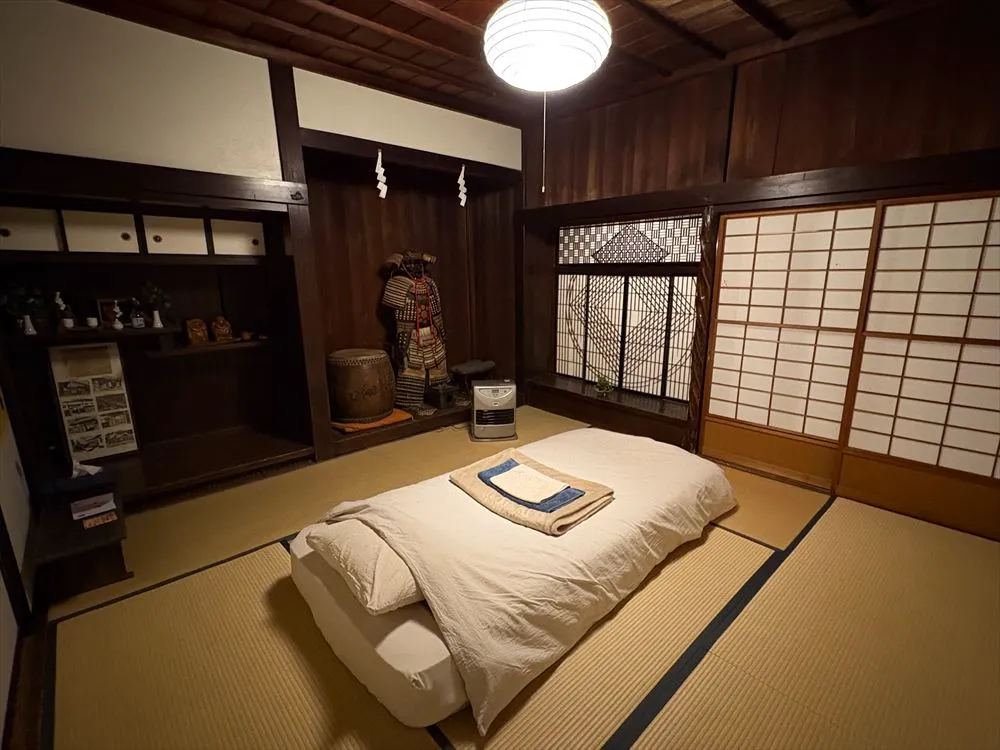
The lodging where we stayed, Oshi no Ie Ooganmaru, is an oshi house with a history spanning more than 400 years, and the building is registered as a Tangible Cultural Property. While features such as tatami mats and sliding doors have been updated in a modern renovation, the building’s original structure and pillars remain intact, allowing guests to appreciate the experience of a traditional Japanese house.
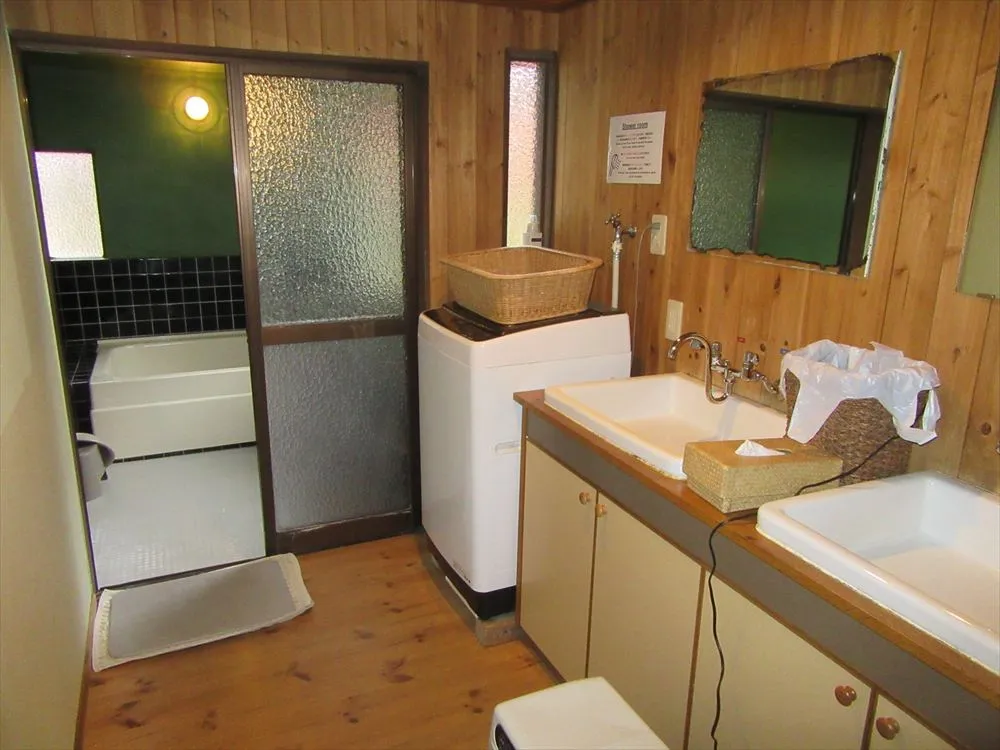
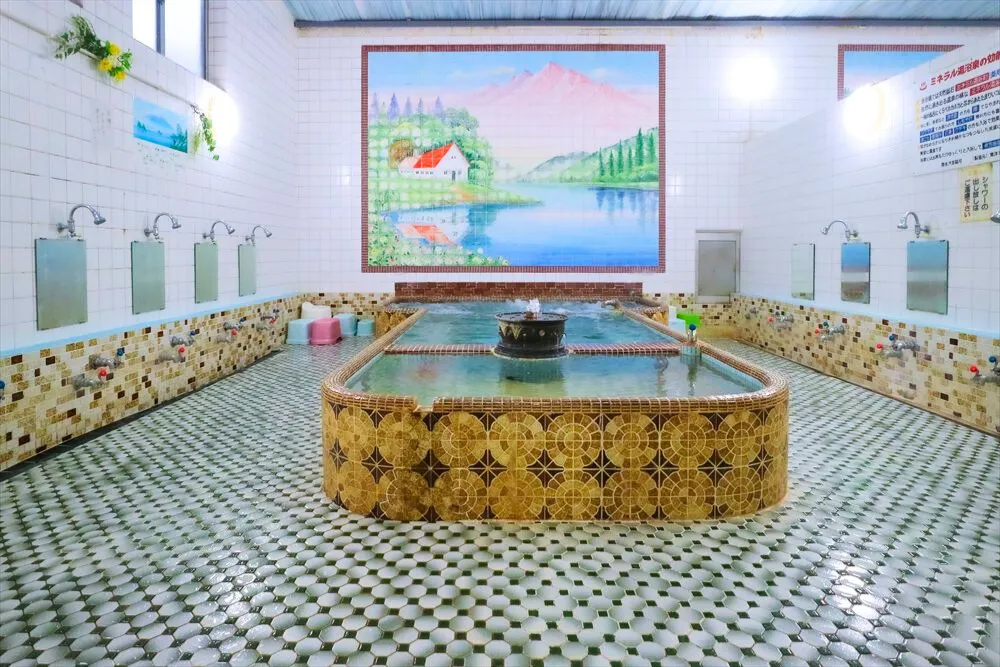
A spacious changing area and bath.
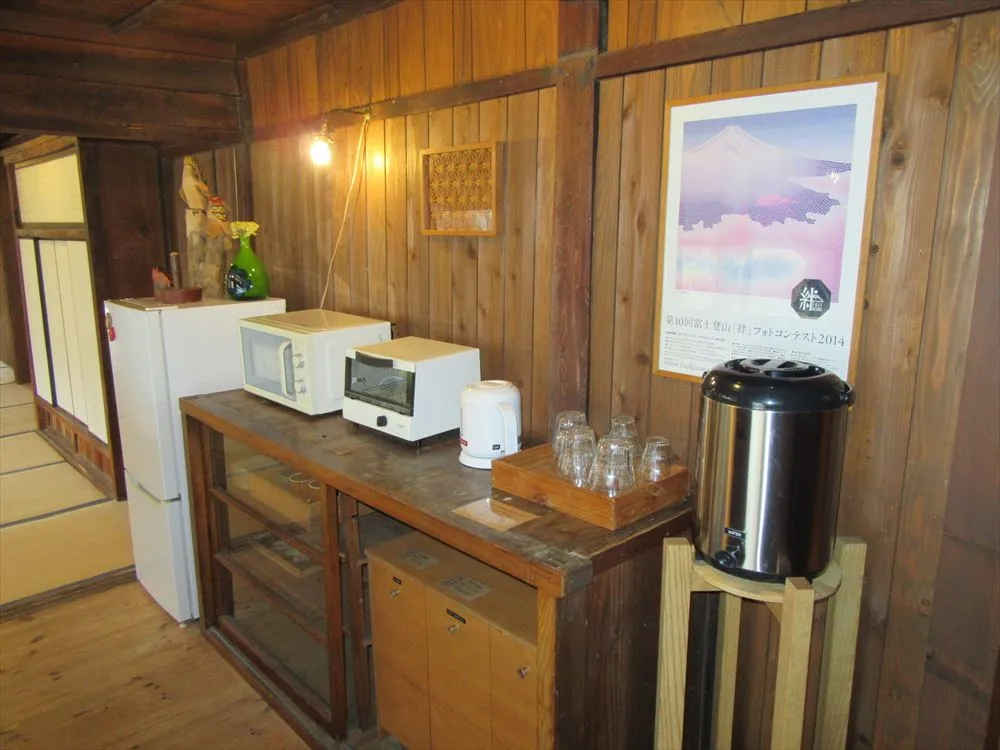
The facilities are also equipped with a microwave oven and an electric kettle, and you can even enjoy natural spring water from Mt. Fuji.
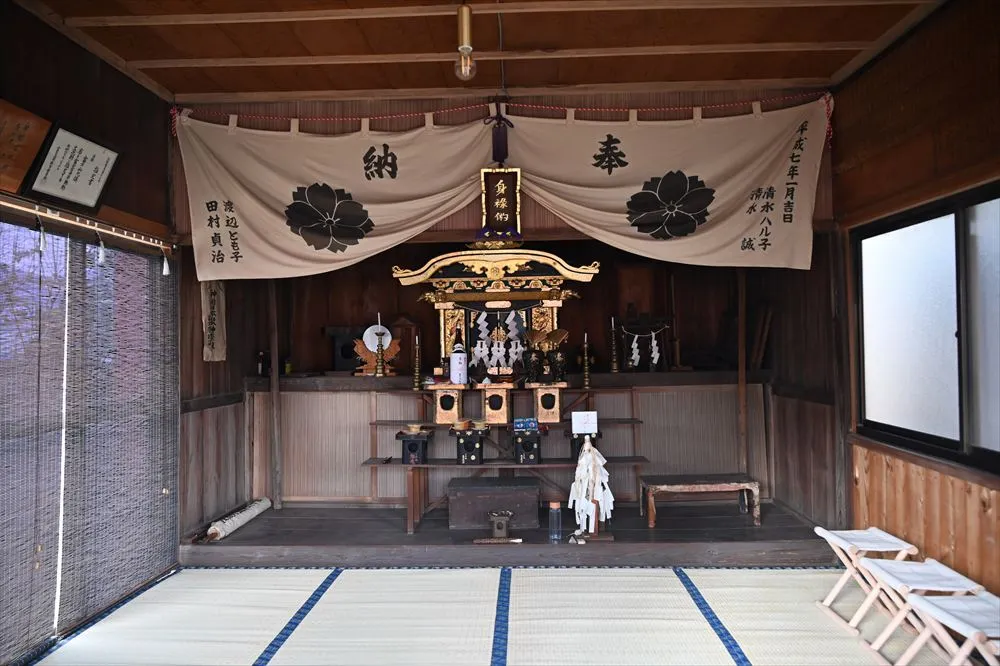
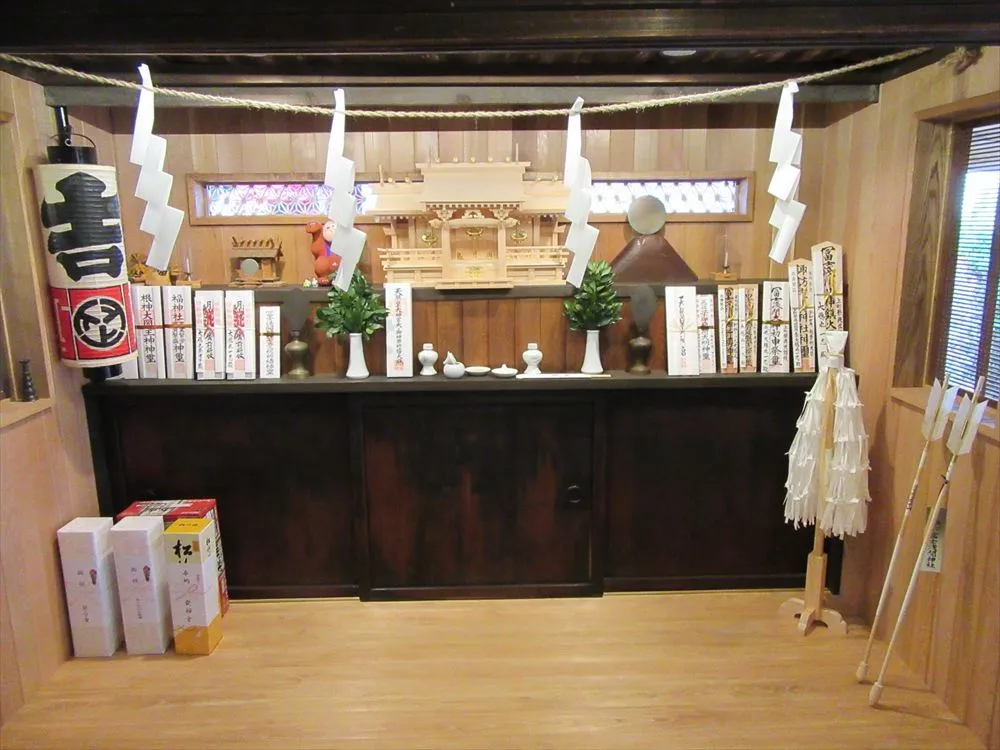
There is also a shrine built within the lodging. Before dinner, guests take part in a prayer ritual here.
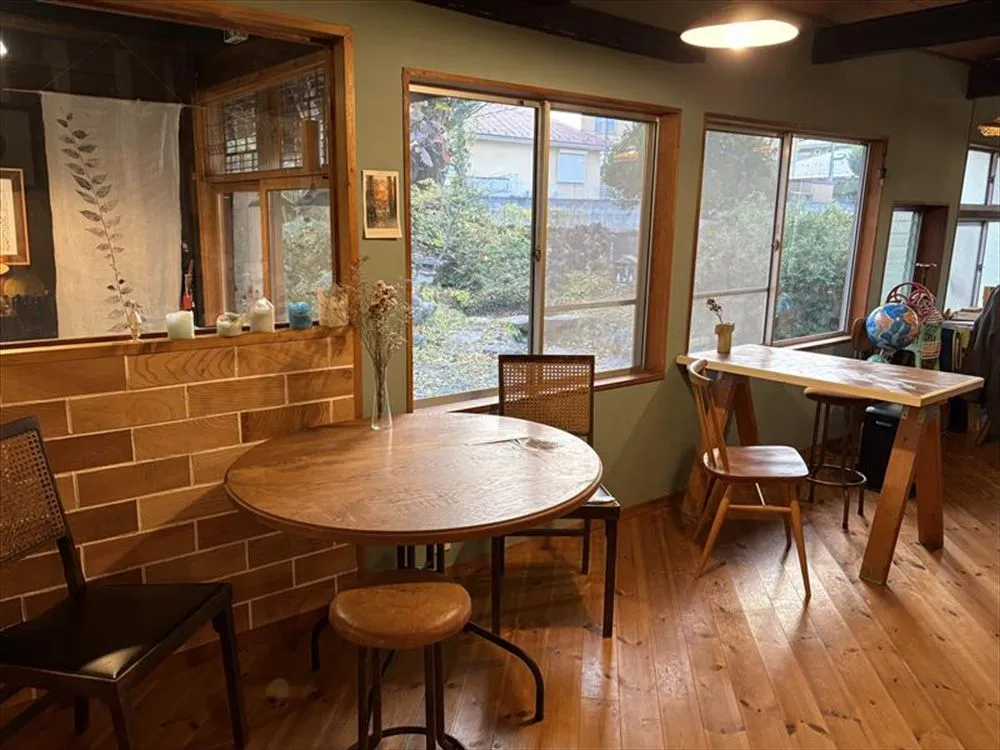
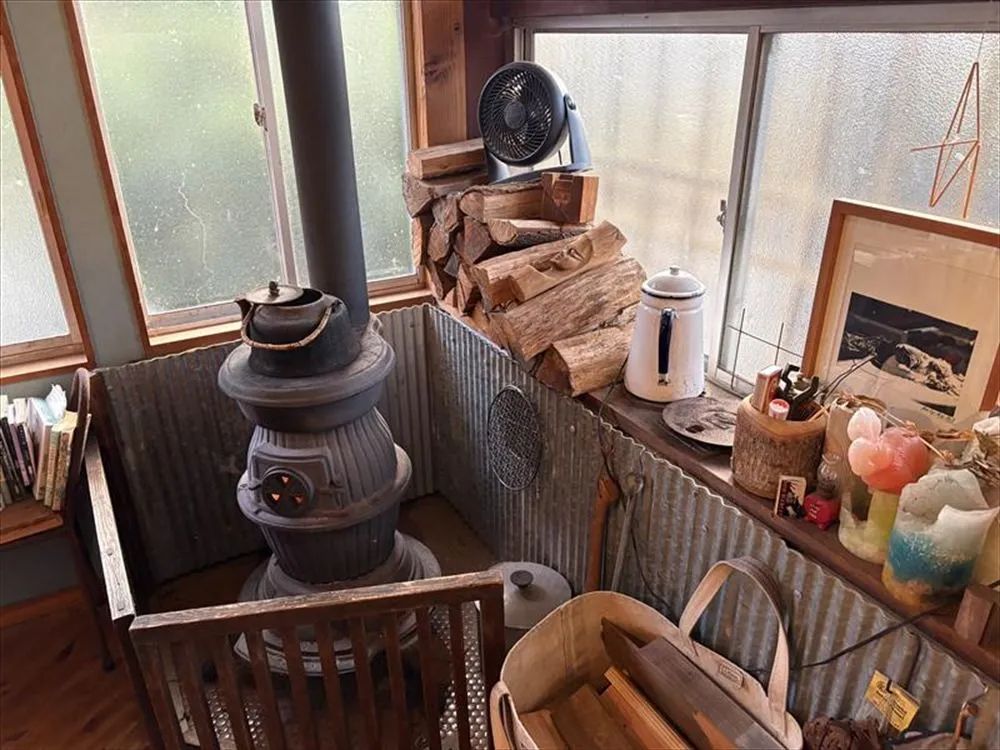
A cafe with a warm, wood-toned interior is attached to the lodging, creating a soft and inviting atmosphere. A wood-burning stove at the back gently warms chilled bodies, and the space also seems to serve as a place where visitors naturally gather and connect.
The futon mattress was soft yet firm, much like a bed, making it very comfortable to sleep on and helping me feel refreshed.
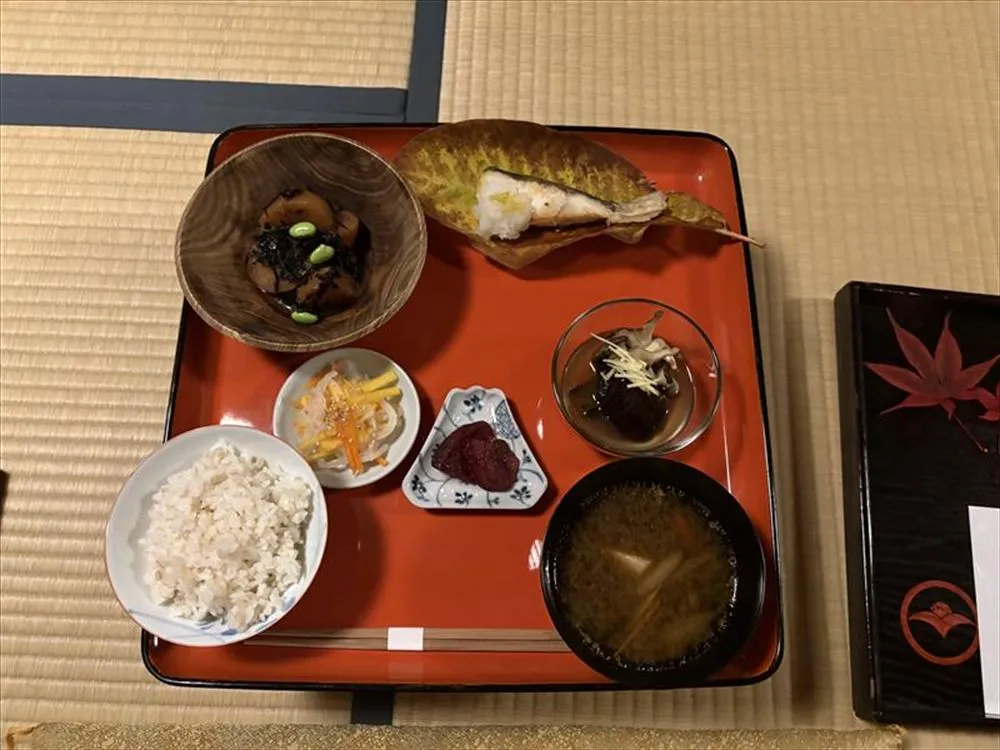
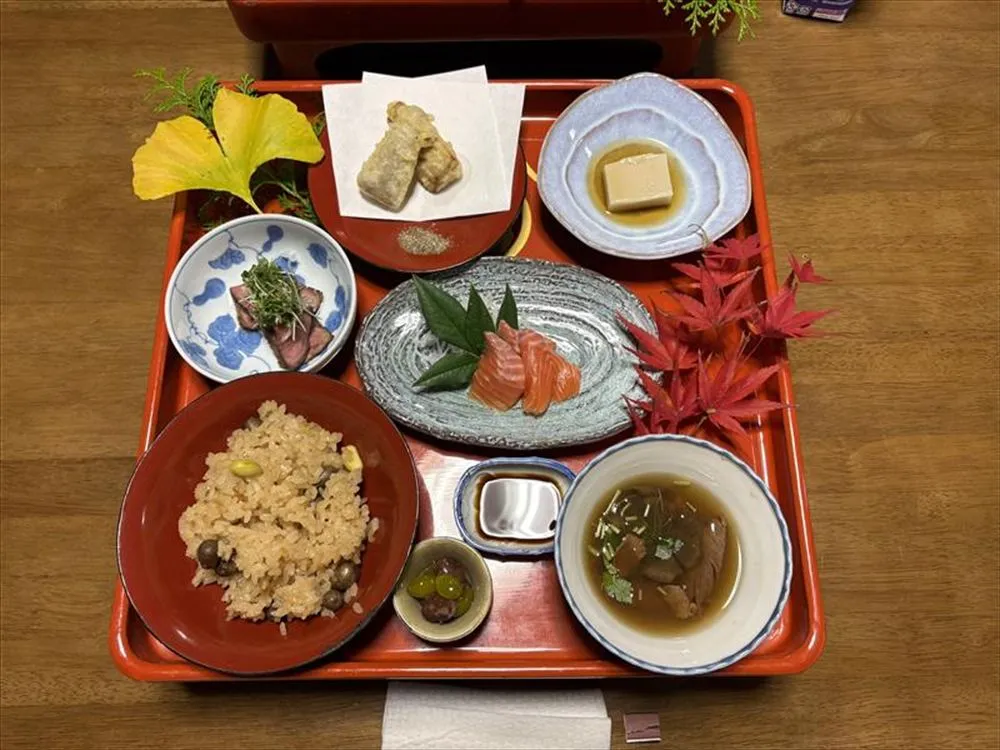
Dinner is a modern interpretation of the meals once prepared to welcome Fujiko followers, served in a style similar to traditional Japanese home cooking. While there are no strict rules governing meals at oshi houses, they almost always include the following two elements:
1. Foods from the mountains and the sea are served together.
2. Four-legged animals are not eaten.
Another pleasure is that the ingredients and menu change with the seasons.
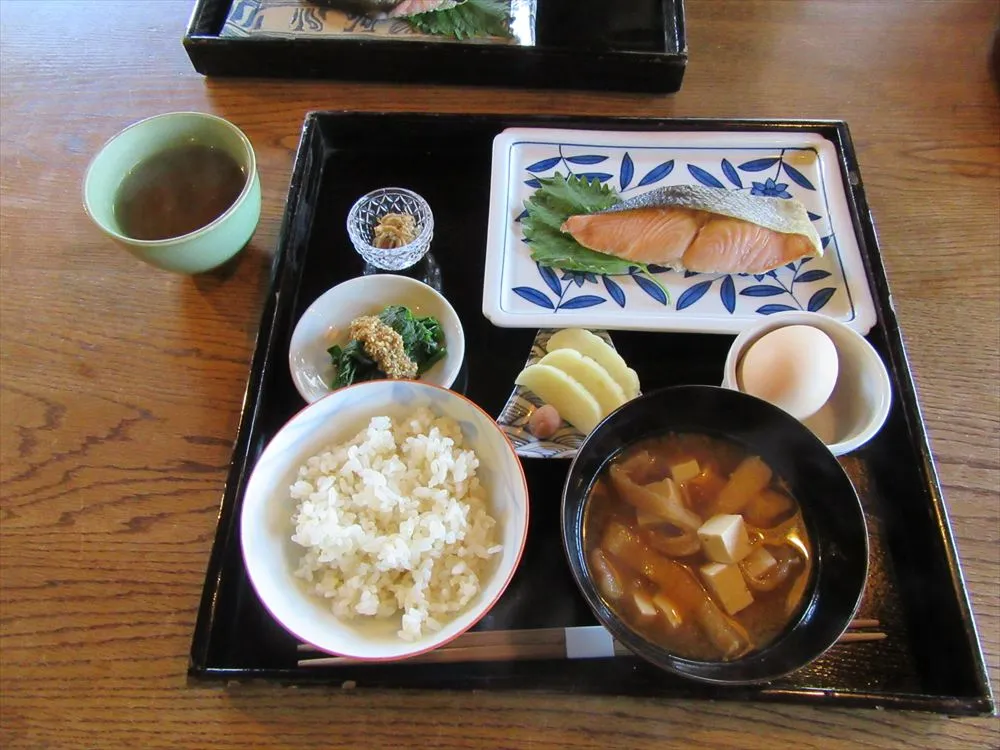
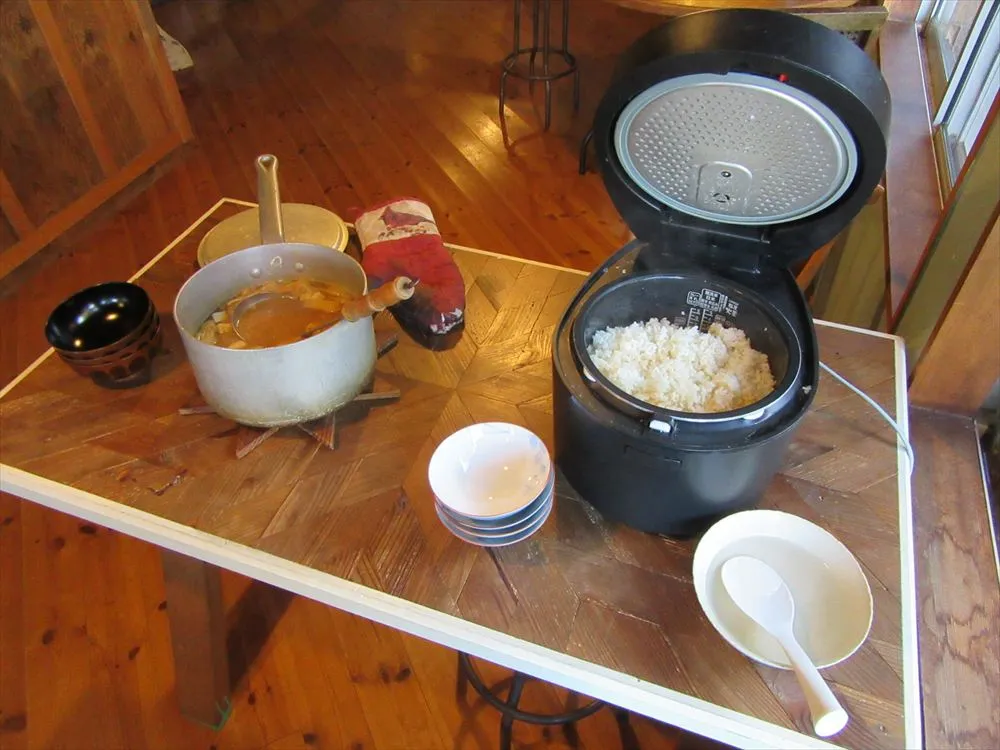
Breakfast is served in the cafe space, where tour participants are treated to a traditional Japanese style breakfast.
Here, guests can savor meals based on the concept of Japanese cuisine served at an oshi house. As the son of the oshi is a hunter, game dishes are sometimes offered. While meals at oshi houses traditionally avoid four-legged animals, the food served here reflects a spirit of respecting life.
The Fujiko tour offers a truly special experience. Why not discover a new side of the appeal of Mt. Fuji for yourself?
Tour Information
FUKI-KO
Three tour options are available: a day trip, a one-night two-day tour, and a two-night three-day tour.
All tours meet at Mt. Fuji Station on the Fujikyu Railway.
Tour organizer:
General Incorporated Association Mount Fuji Trail Club
Oshi house where we stayed:
Oshi no Ie Ooganmaru fugaku x hitsuki
7-12-16 Kamiyoshida, Fujiyoshida City, Yamanashi 403-0005
TEL 080-1525-9515 https://www.instagram.com/fugakuxhitsuki?igsh=eG50aGEzZmhmdjEy/
Oshi house offering meals on the day trip tour:
Daikokuya
5-10-25 Kamiyoshida, Fujiyoshida City, Yamanashi 403-0005
TEL 080-5198-0491
Access
JR Shinjuku Sta. → JR Otsuki Sta. → Mt. Fuji Sta. (Fujikyu)

.jpg)
_R.webp)