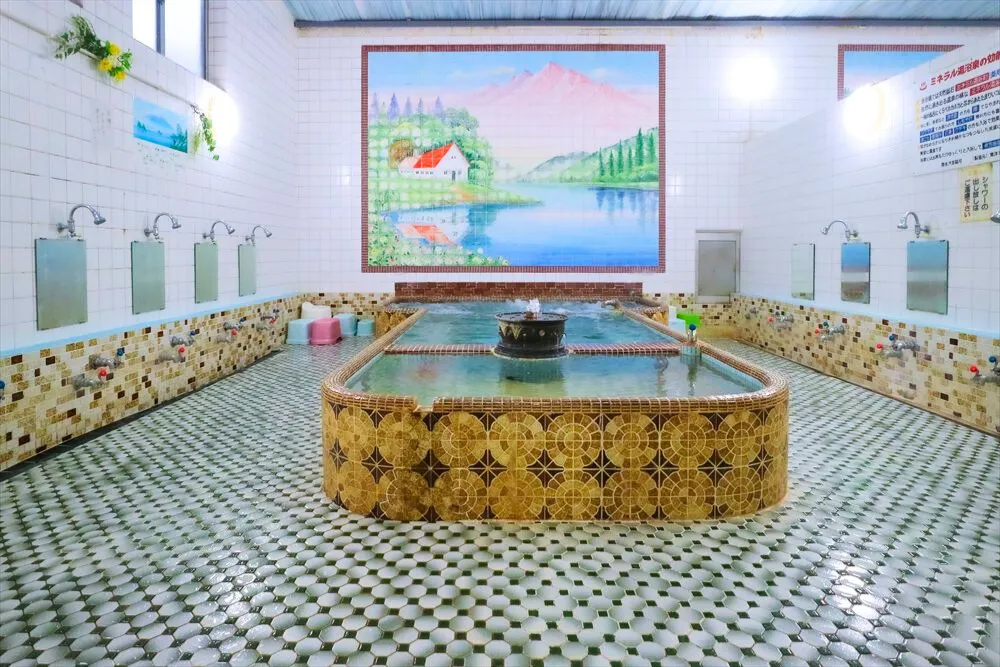
For most Japanese people, bathing is not only a way to cleanse the body but a fundamental part of daily wellness—a ritual to release fatigue and reconnect with oneself. While showers dominate in the West, in Japan, the bath remains a cultural mainstay.
Even though many now bathe at home, sento lovers still seek out their neighborhood bathhouse weekly, or even daily. For them, it’s not just about getting clean—it’s a full-body health and beauty practice.
Why do some prefer the sento over a home bath?
The difference lies first in the space: larger, deeper tubs allow full-body immersion, encouraging better heat absorption. It’s far easier to truly warm up, stretch, and move freely in a sento pool than in a typically small domestic tub. As a result, the benefits are said to last longer—relieving tension, calming the nervous system, and helping the body recharge more thoroughly.
Another key point is water quality. While some sento use regular tap water, many draw from deep underground sources, rich in minerals absent in our homes. Add to this high-pressure jets, herb-infused baths, and carbonated spring water, and the experience becomes not only more effective but therapeutically luxurious. These features are said to support blood circulation, muscle recovery, skin health, and better sleep.
Beyond the physical, the mental benefits are also significant.
Professor Hayasaka Shinya, a leading medical researcher in balneotherapy at Tokyo City University, has demonstrated that bathing can induce happiness—thanks in part to the floating sensation, which promotes a deep sense of ease.
Personally, I see sento as a mental detox. In our hyper-connected lives, stepping into a place where phones and screens are forbidden (except for the occasional sauna TV) is rare and precious. The hum of conversation, the splash of water, and the steam all create a meditative ambiance that slows the mind. It’s a moment to let go.
When I moved to Japan in 2008, I discovered just how much a daily bath could heal. After long, exhausting days, I would step into the hot water and feel my anxiety and tension evaporate with the steam.
Leaving the sento, I often felt like relieved from stress. It was transformative.
One sento owner told me the following:
“Today, after four years of working at a sento front desk, I see it all the time. People walk in tense or tired—and leave looking lighter, softer, smiling. Many offer a simple ‘Arigatou, ii oyu deshita’ (‘Thank you, that was a great bath.’), a phrase often said with the same satisfaction as after a good meal or a glass of wine. This phrase alone keeps me motivated, even in challenging times.”
Sento may also support beauty and healthy aging.
Some studies in Japan have begun exploring the concept of hormesis—a positive biological reaction to low-level stress. In the context of sento, the brief heat stress of high-temperature baths (41–42°C) is thought to trigger the production of heat shock proteins (HSPs), suggesting potential roles in cellular repair and aging prevention.
Although still being researched, early findings link HSP activation to anti-aging effects. And anecdotally, the older women I meet in the bath rarely look their age. I’m convinced the sento plays a role.
To optimize HSP benefits, it’s recommended to stay immersed for about ten minutes, then rest—ideally not jumping into a cold bath immediately, as this can interrupt the process. Light sweating also helps boost HSP production, but most importantly, you should listen to your body and stay well-hydrated.
After the bath, the skin is especially absorbent. To lock in hydration, apply lotion or cream immediately.
Sento time can also be turned into a mini spa ritual. I often bring masks or scrubs and do self-massage or gentle yoga stretches in the warm atmosphere. After sweating and soaking, both the skin and muscles are more receptive.
In the Edo period (1603-1868), people valued public baths not just for cleanliness, but to feel refreshed and refined—elegant, even. I feel the same.
Before an important meeting or event, I’ll often go to the sento. It not only calms my nerves, but gives my skin a healthy glow—and a welcome boost in confidence.
Azuma-yu (Asaka City, Saitama)
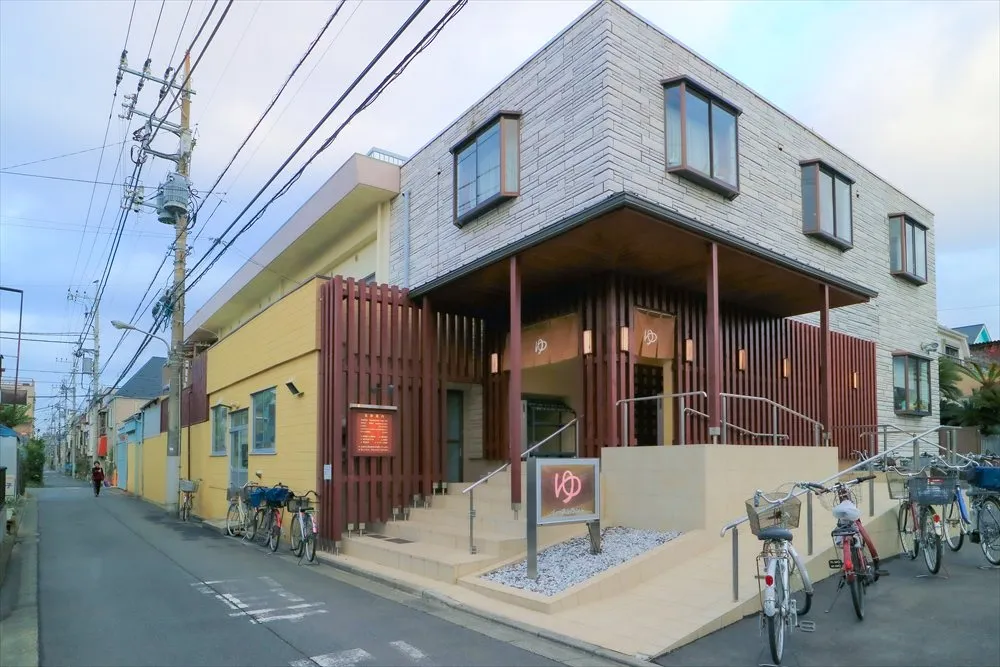
Azuma-yu is a beloved sento tucked away in a quiet residential neighborhood in the city of Asaka, just a short walk from the station. Open since 1964, this bathhouse blends vintage charm with thoughtful modern updates, offering a space where locals of all ages come to unwind, recharge, and take care of both body and mind.
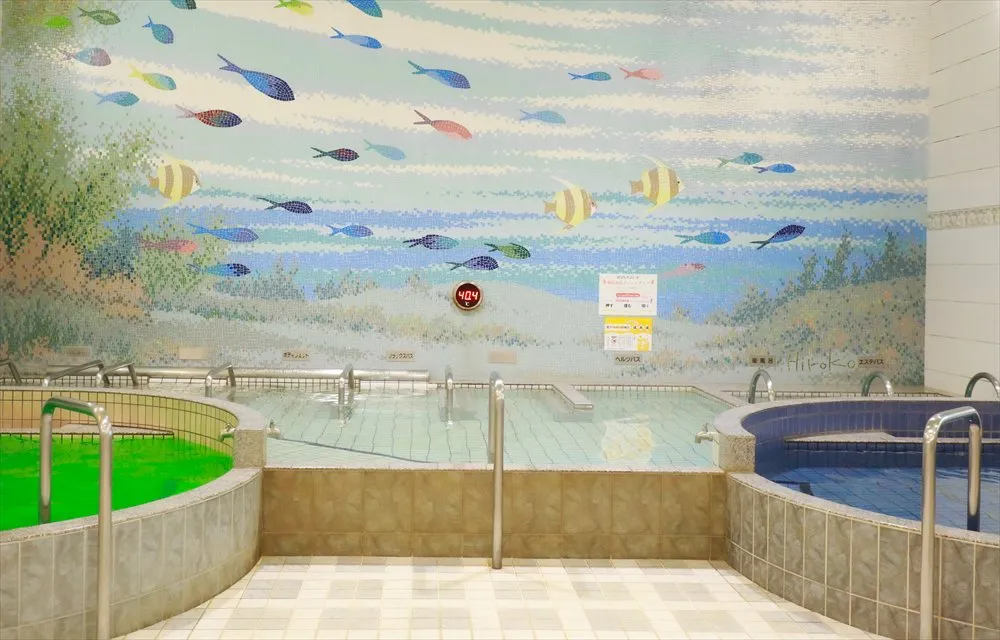
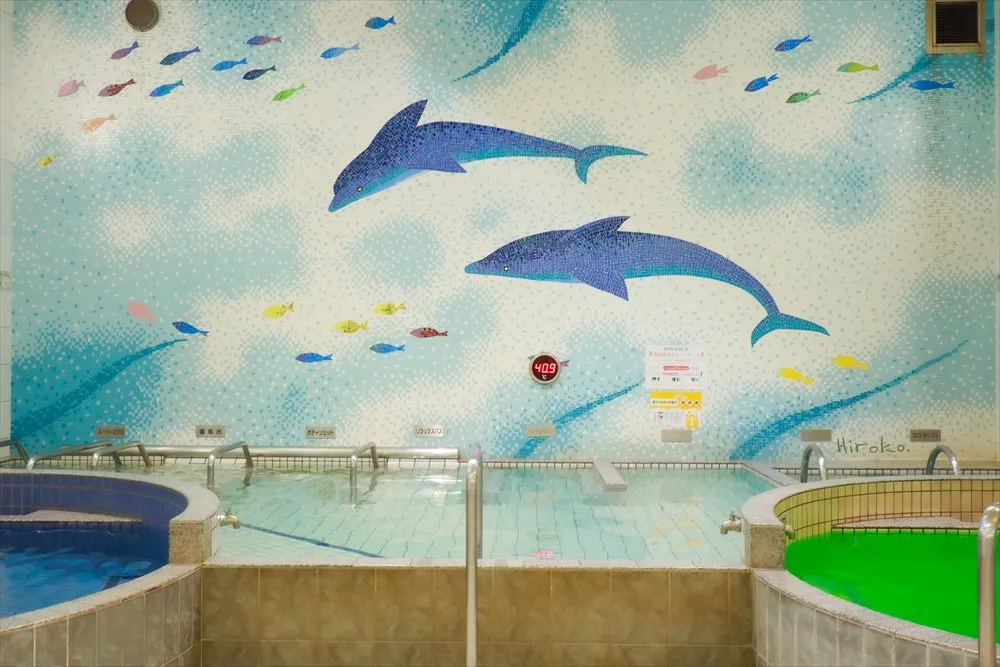
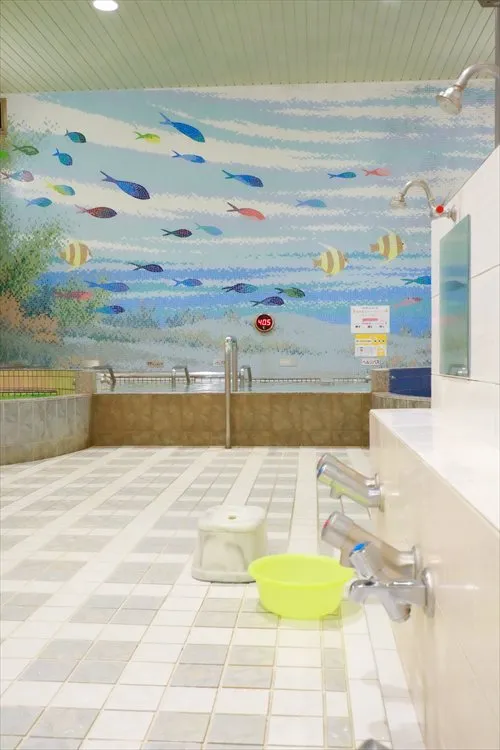
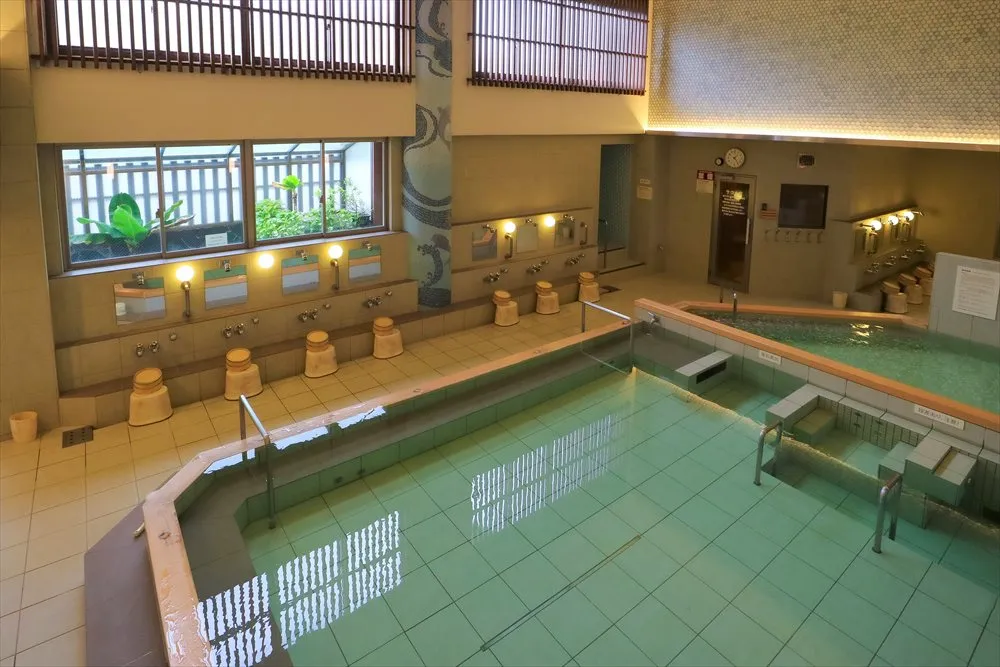
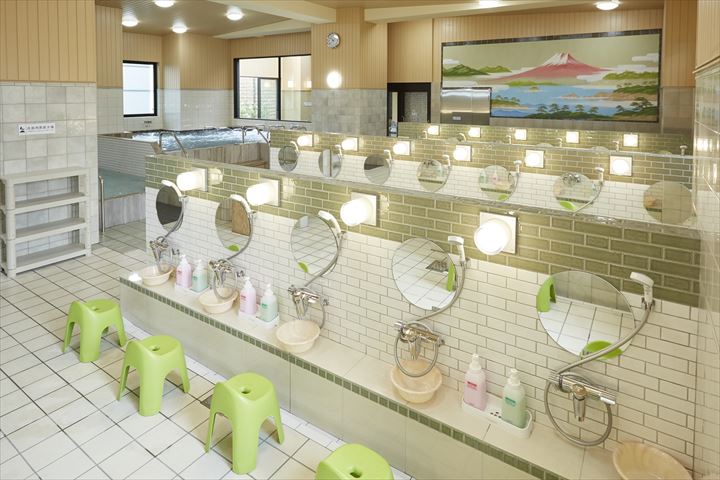
The atmosphere is bright and spacious, and I especially enjoy the tropical fish and dolphin tile art — it’s both cute and refreshing.
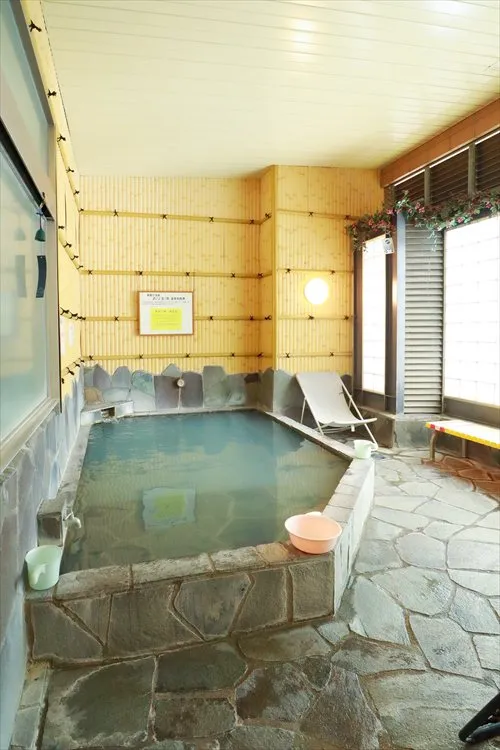
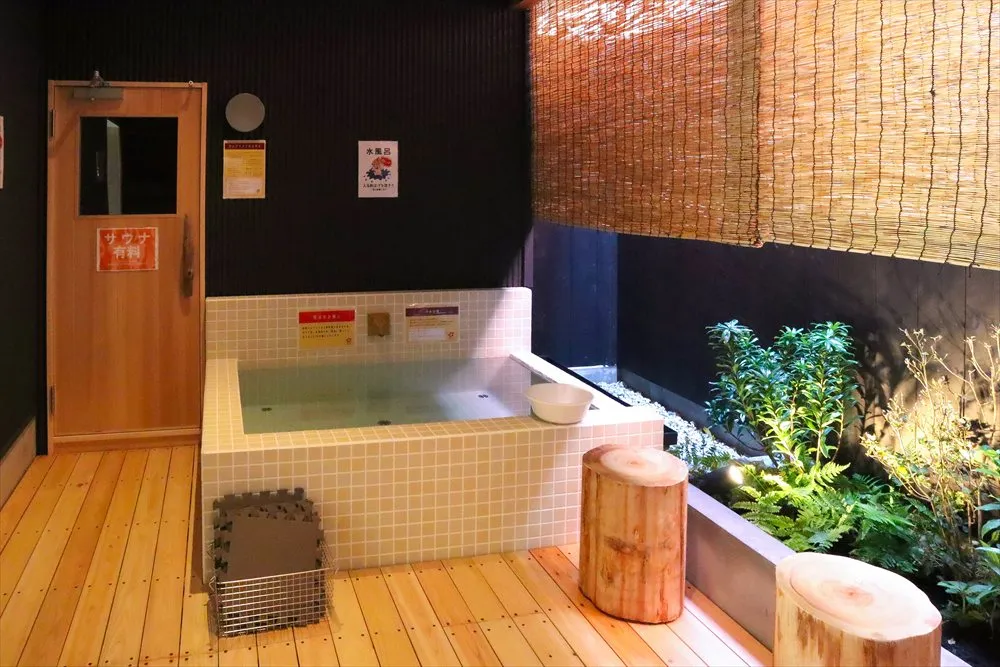
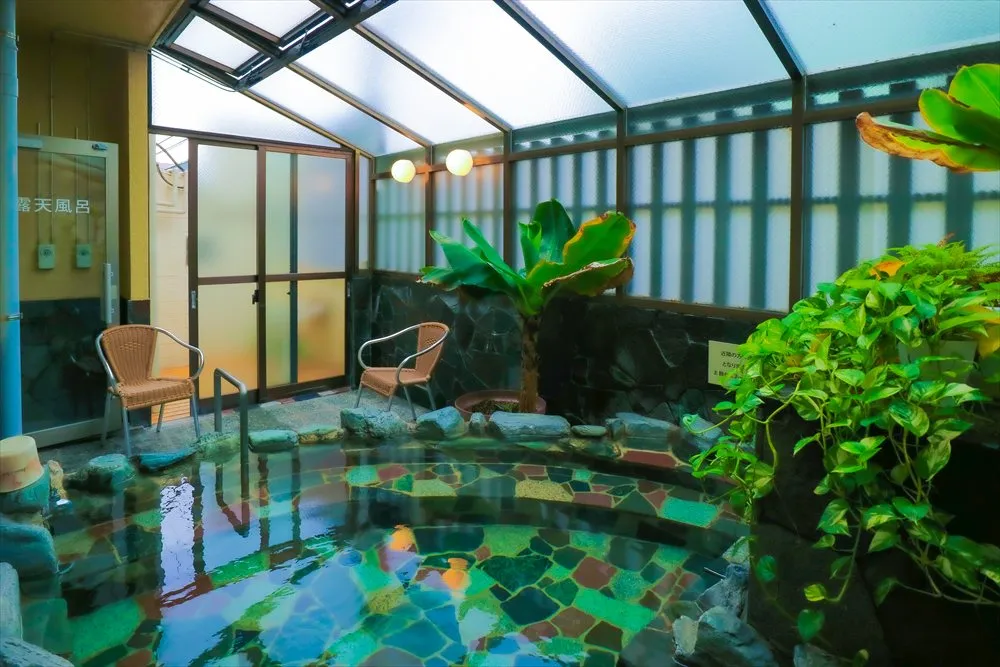
Inside, you’ll find a variety of baths to suit every need: high-pressure jets for tired muscles, gentle bubble baths for relaxation, and even an outdoor bath that recreates the feel of a natural hot spring. One of the highlights is the rotating herbal baths, infused daily with aromatic medicinal blends to support circulation, skin health, and overall wellness.
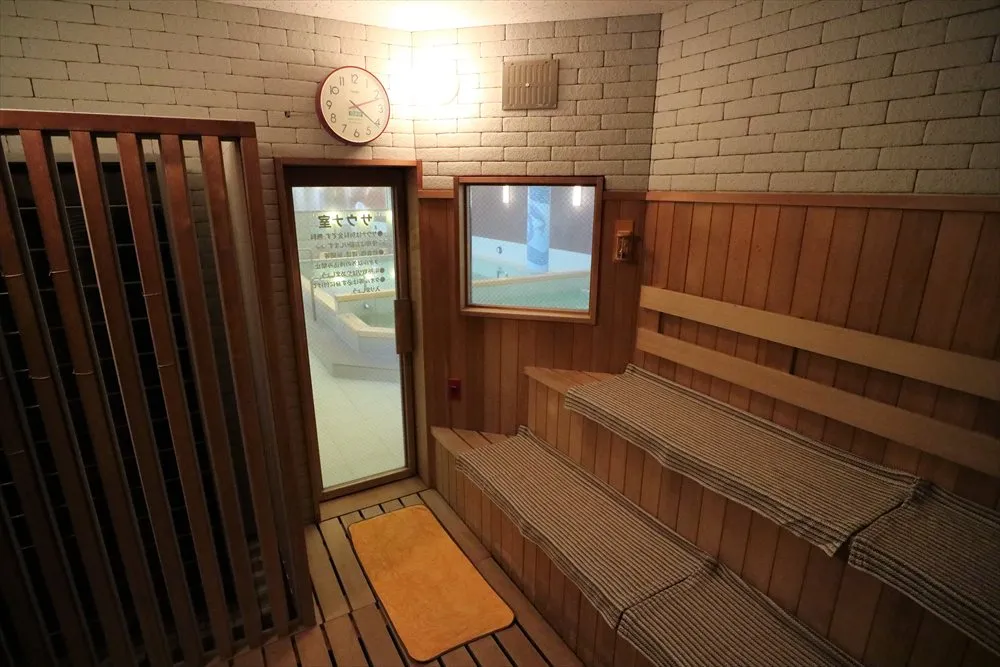
There’s also a dry sauna and a refreshing cold bath — ideal for those practicing a hot-cold recovery routine to boost metabolism and resilience. Regulars often come not only to cleanse but to maintain flexibility, sleep quality, and energy.
Price : 500 JPY
Address
6-2-35 Negishidai, Asaka City, Saitama
Access
Asaka Sta. → 2 min walk
Business hours
15:00–23:30
Regular holiday
Fridays
nu Land (Ota City, Tokyo)
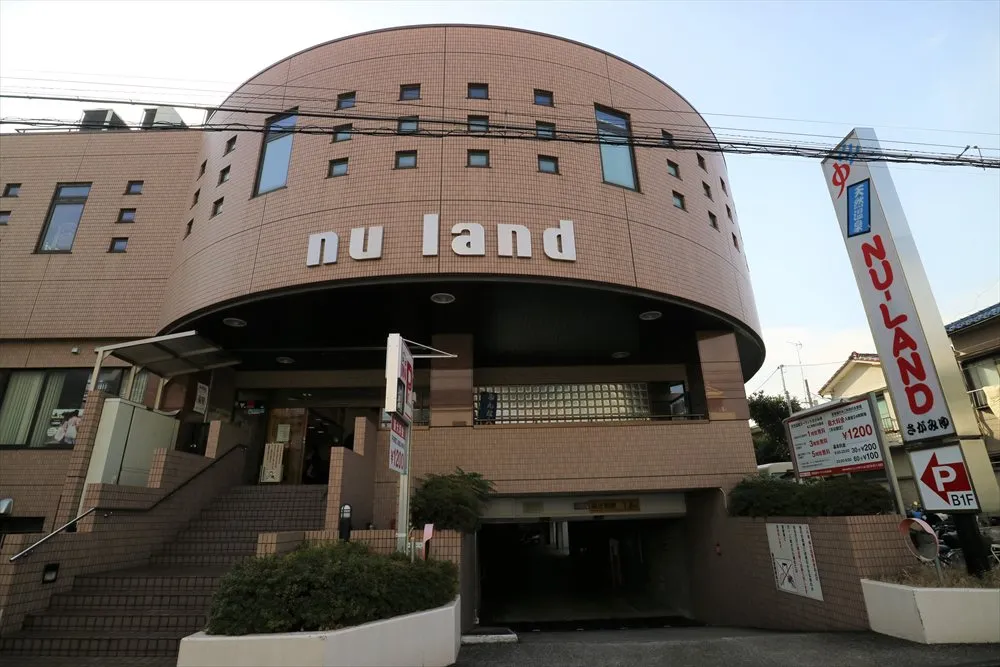
nu Land in Ota City is more than just a sento — it’s a full-scale urban retreat. Only minutes from Zoshiki Station, this multi-level facility offers a wide variety of baths and wellness amenities designed to soothe both body and soul.
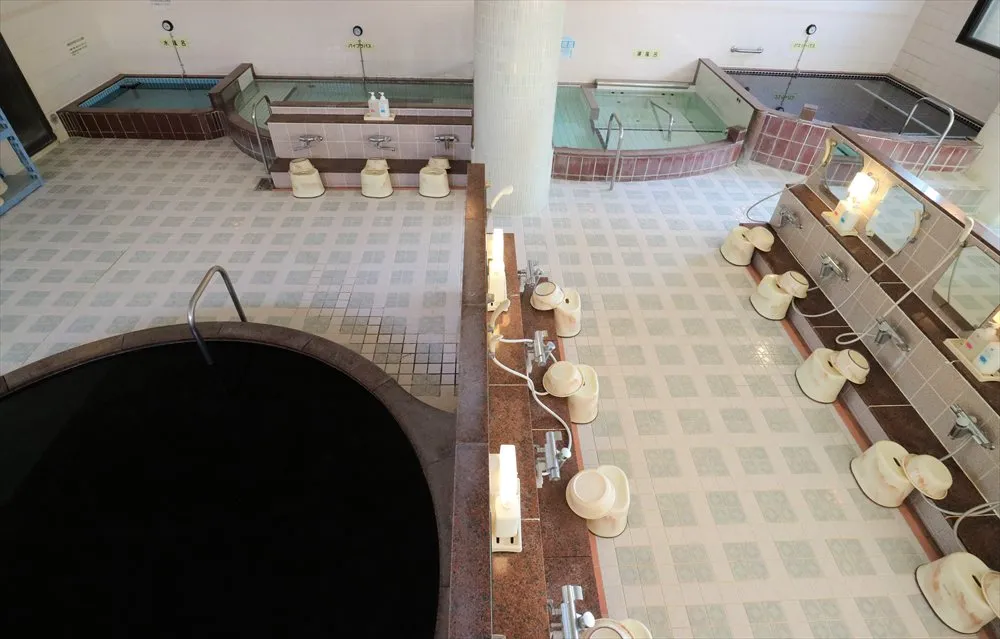
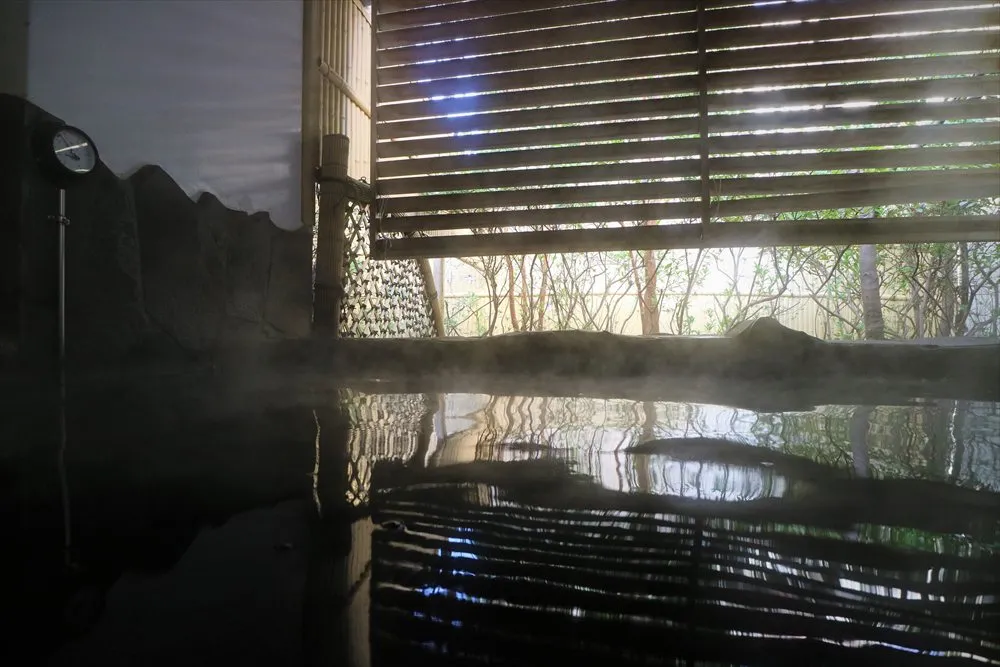
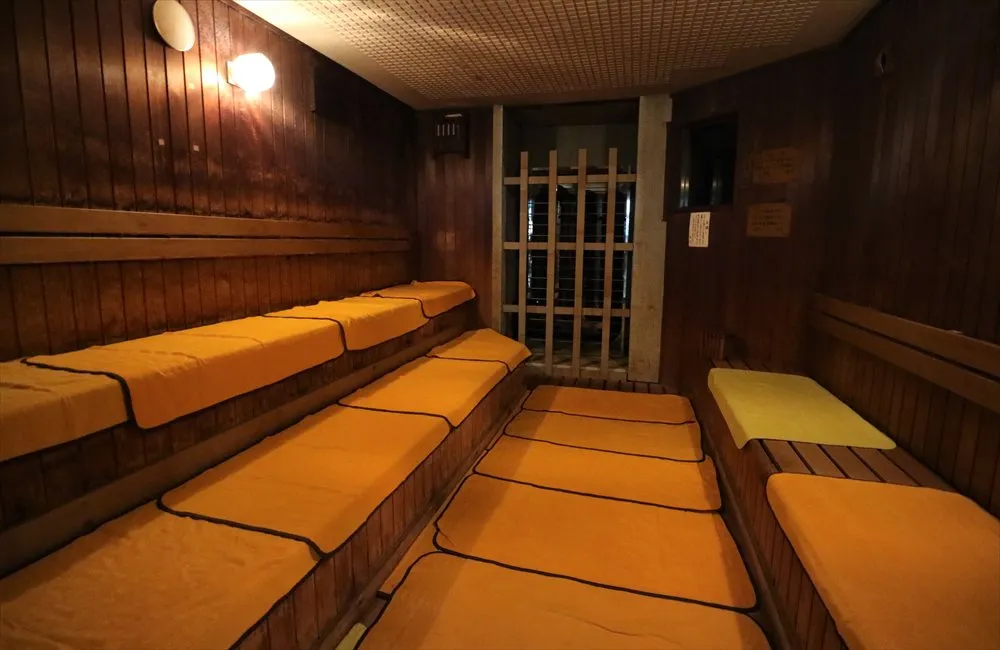
Its highlight is the natural black hot spring water (kuroyu), rich in minerals and gentle on the skin, available in both indoor and outdoor rotenburo baths. Whether you’re soaking in the open-air tub, relaxing in the massage baths, or enjoying the herbal steam sauna, each space promotes deep relaxation and gentle rejuvenation.
Beyond bathing, Nu Land supports a holistic approach to self-care. The sauna and cold plunge combo enhances circulation and muscle recovery, while the lounge and rooftop garden offer quiet space to rest and reset. The facility also includes body care services, a casual restaurant, and even karaoke — making it easy to spend a full afternoon indulging in wellness.
Price : 550 JPY
Address
2-7-5 Nakarokugo, Ota-ku, Tokyo
Access
Zoshiki Sta. (Keikyu Line) → 3 min walk
Business hours
10:00–23:00
Regular holiday
Tuesdays (the bathrooms are open but not the other facilities)
Kame no Yu (Kagoshima City, Kagoshima)
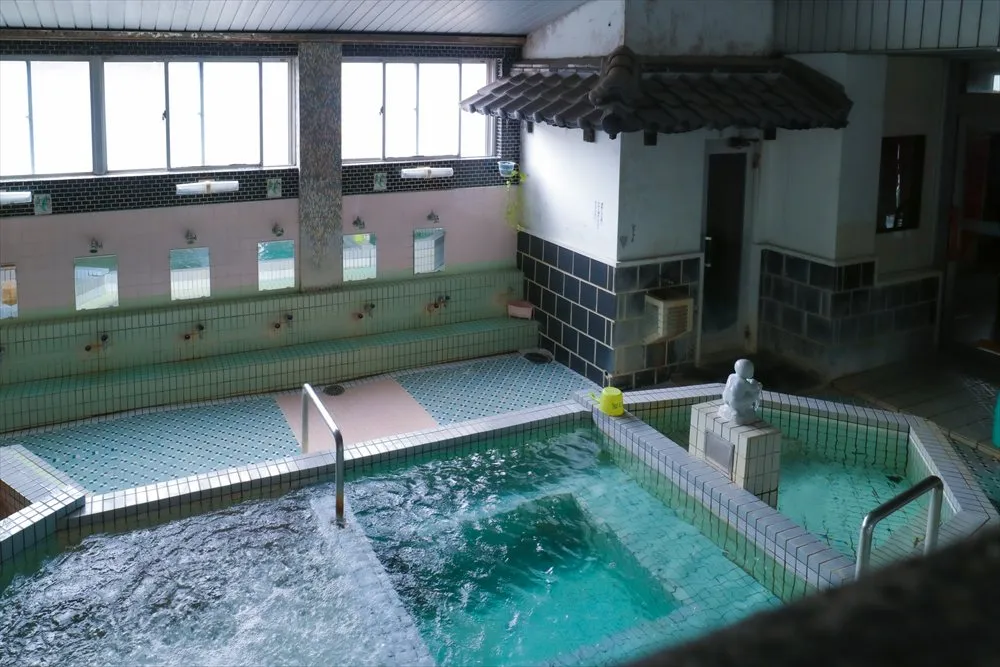
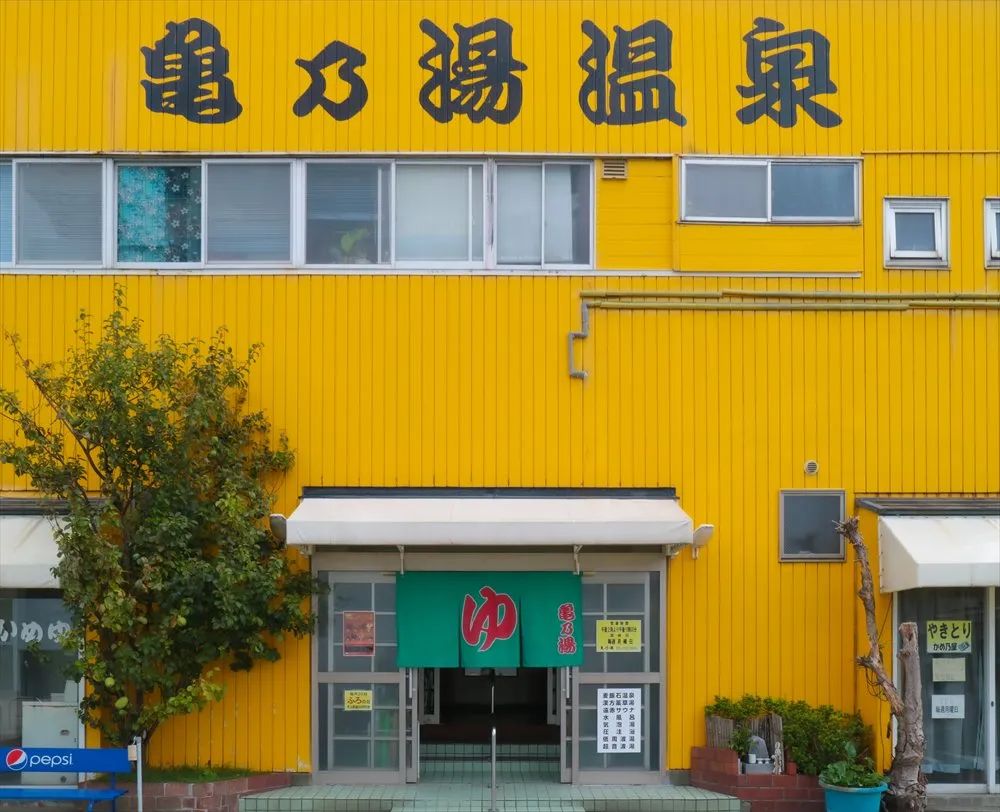
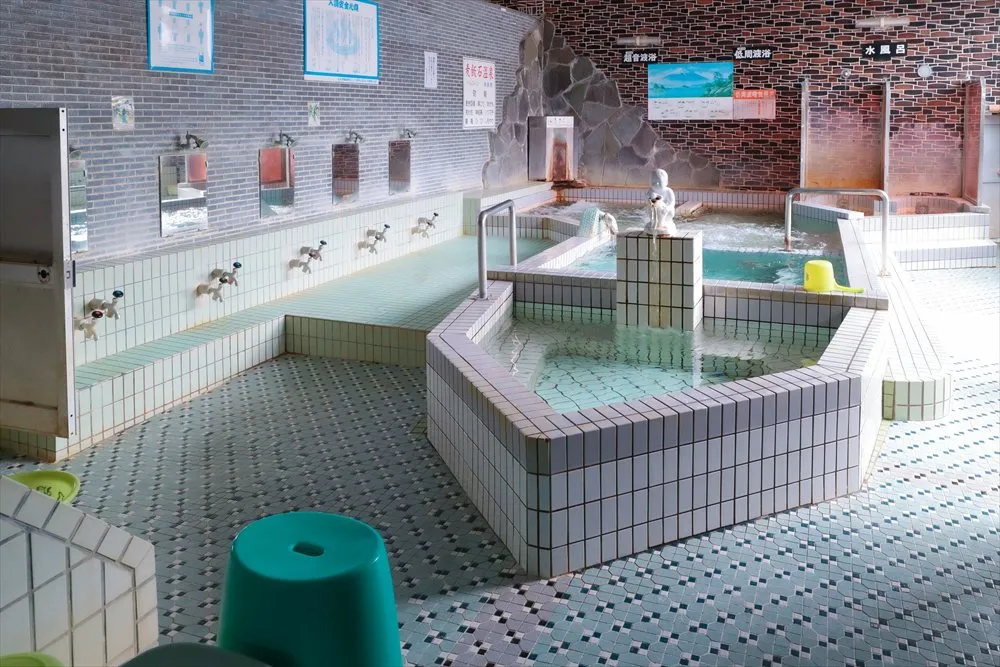
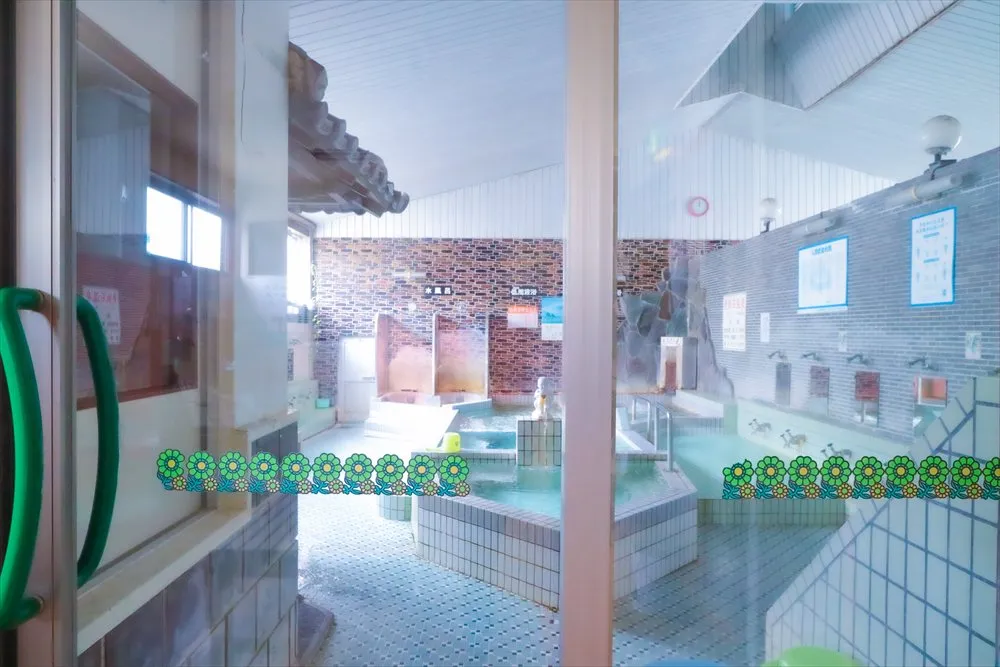
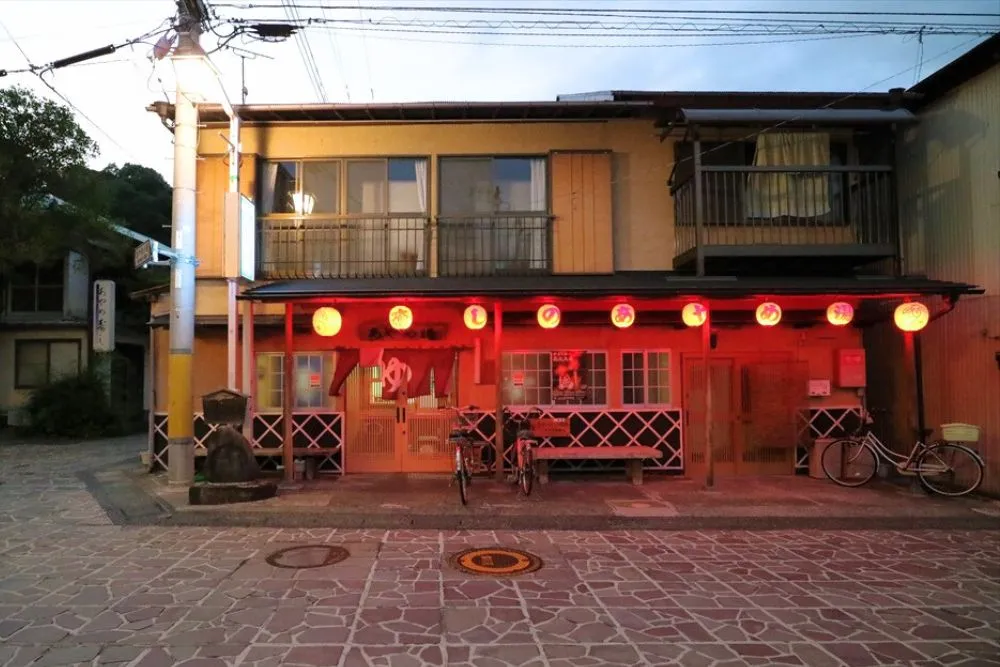
Kame no Yu is a retro-style public bathhouse in Sanwa-cho, Kagoshima City that preserves the simple, down-to-earth charm of post-war Kagoshima.
The water is drawn from underground and enriched with medicinal maifan stone minerals that soothe neuralgia, boost circulation, and soften the skin. There are also herbal baths inspired by traditional Chinese medicine — a favorite among elderly regulars.
A compact sauna (around 85 °C) and a cold-water bath complete a classic hot-cold bathing routine that supports metabolic health and muscle recovery.
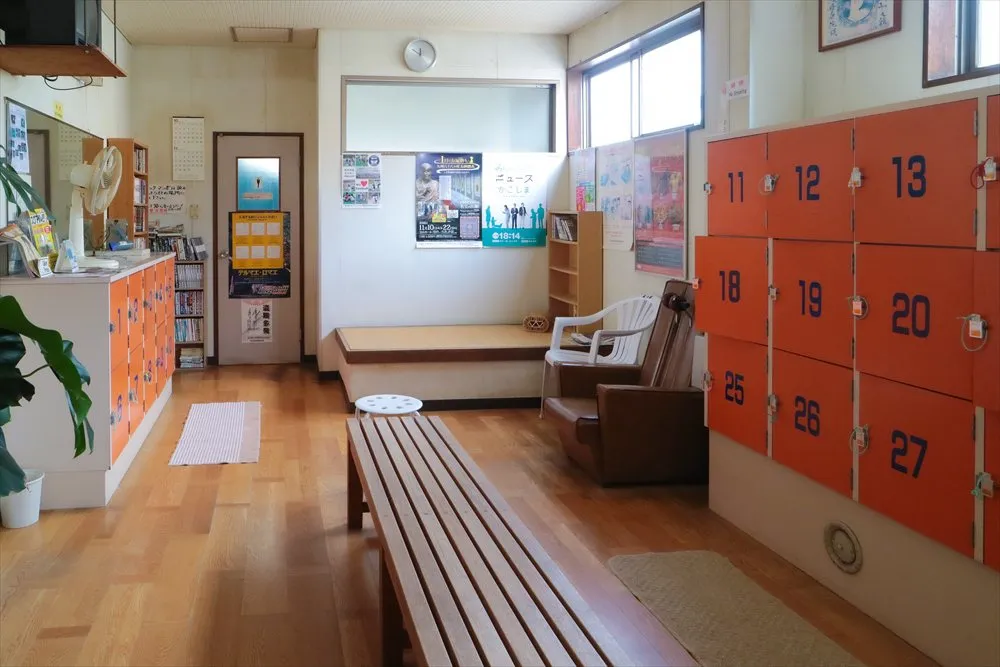
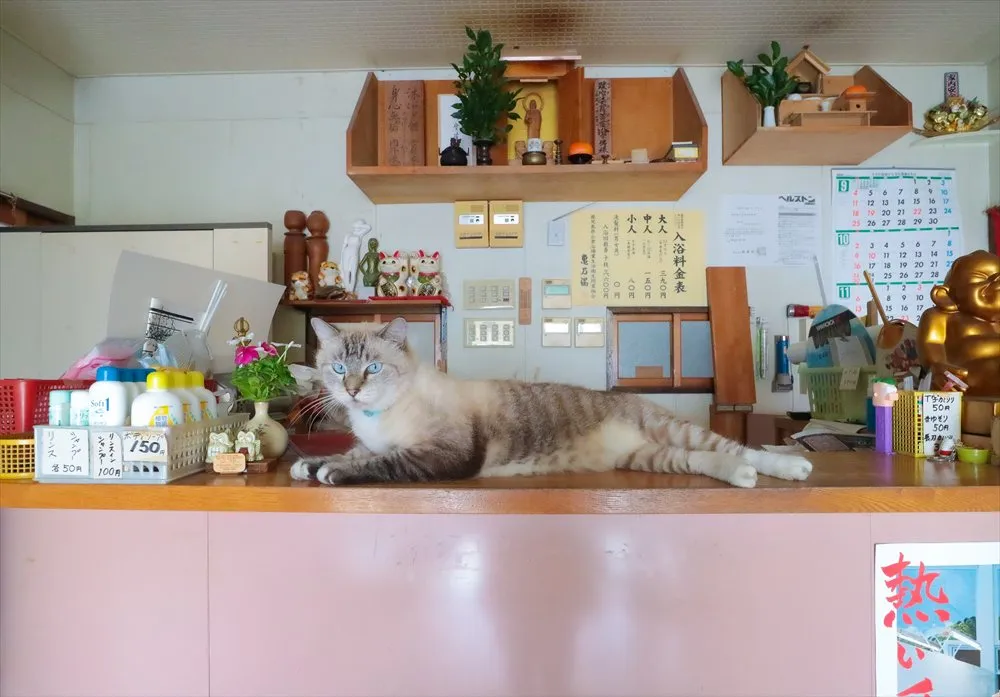
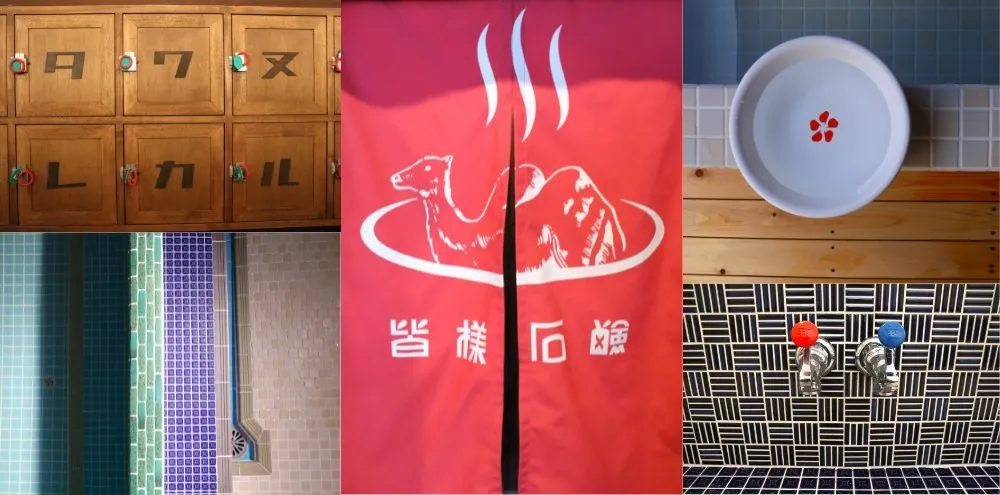
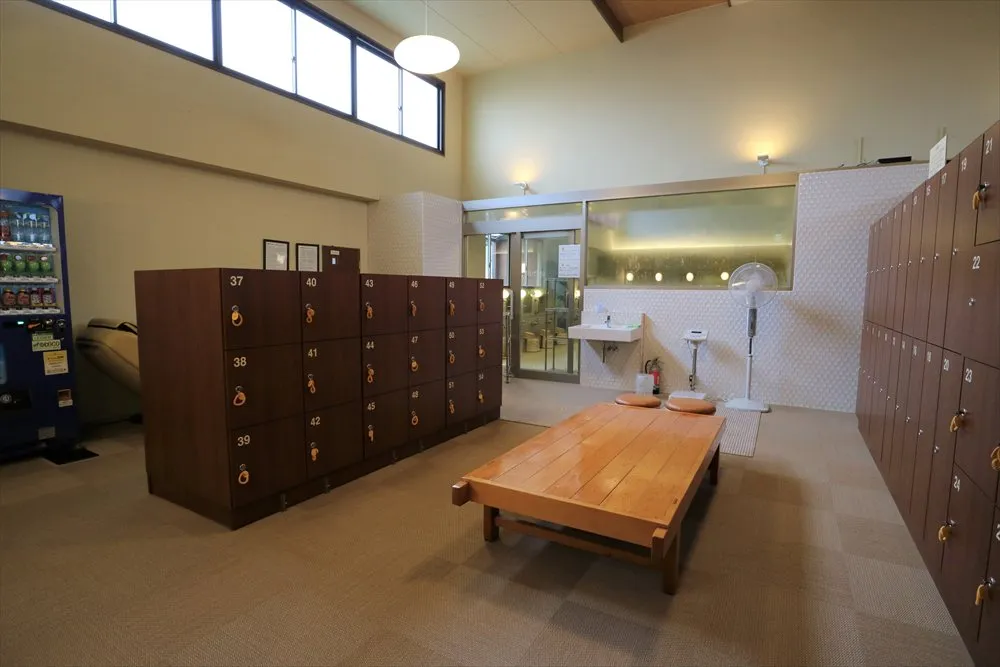
The atmosphere feels genuine: the old-school bandai (reception desk), wooden lockers, and warm camaraderie among bathers all contribute to a humble yet heartfelt experience — not to mention the friendly resident cat that greets you at the entrance.
Price : 460 JPY
Address
64‑16 Sanwa‑cho, Kagoshima City, Kagoshima
Access
Sanwa‑Chuo bus stop → 1 min walk / 300m from Kamoike Ferry boarding area
Business hours
14:00–22:30
Regular holiday
Mondays
Gose Takara-yu (Gose City, Nara)
Hidden in the peaceful city of Gose, Takara‑yu is a cherished vintage sento run lovingly by the same family for generations. This intimate bathhouse is a true local treasure, blending nostalgic charm with simple, restorative rituals.
The warm and familial atmosphere is part of what makes it so special. People come to relax, chat, or enjoy a manga after bathing. The baths are simple but well-equipped, and there is even a small outdoor bath—more than enough to relax both body and mind.
The sauna, inspired by Nordic-style design, offers a refreshing full-body reset. Its combination of wood and ceramic create a cozy, healing space.
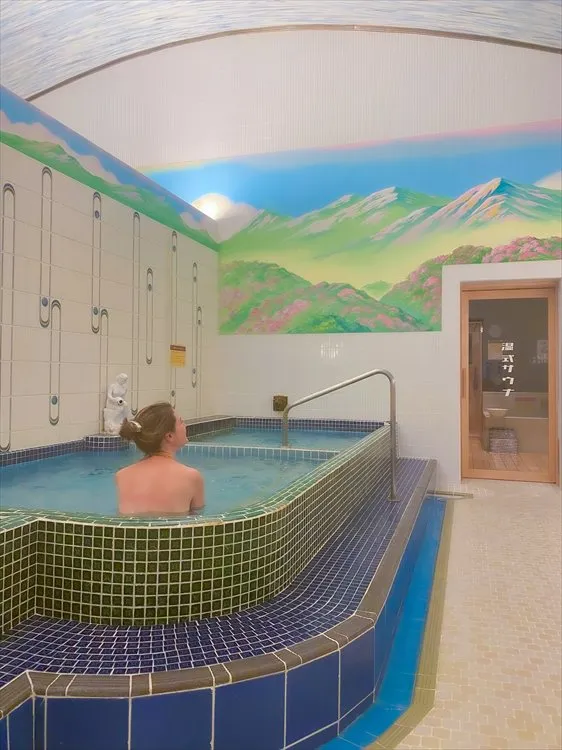
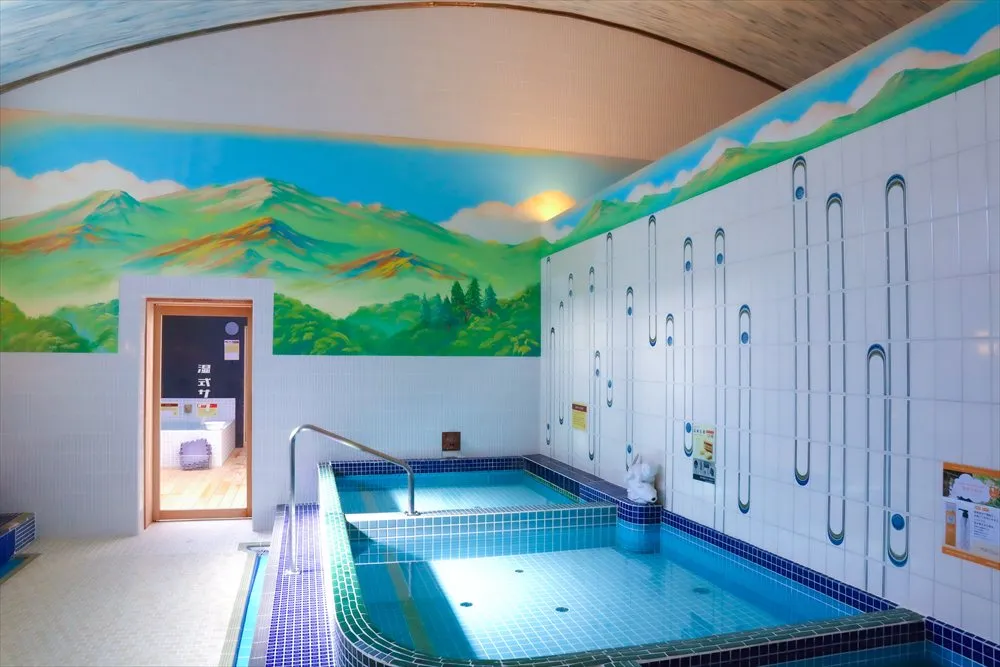
One feature I particularly love is the mural by Tanaka Mizuki, currently Japan’s only active female “penki-eshi” (bathhouse painter). Her soft-colored mountain scenes contribute to the sense of tranquility and care throughout the space.
Price: 440 JPY
Address
2-361-5 Mikunidori, Gose City, Nara
Access
Gose Sta. (JR Wakayama Line) → 5 min walk
Business hours
Mon-Fri 14:00-22:00 / Sat, Sun, national holidays 11:00-22:00
Regular holiday
Second and fourthTuesdays
Eastland (Edogawa City, Tokyo)
Estland is a large, modern sento in Edogawa City that blends traditional Japanese bathing with Nordic-inspired wellness elements.
The facility offers multiple pools of different temperatures: mineral-rich kuroyu water in the outdoor area, a dry sauna, and a cold plunge — perfect for recovery. A highlight is the “ganbanyoku” (bedrock bath), where natural heated stone flooring encourages gentle detox through sweating.
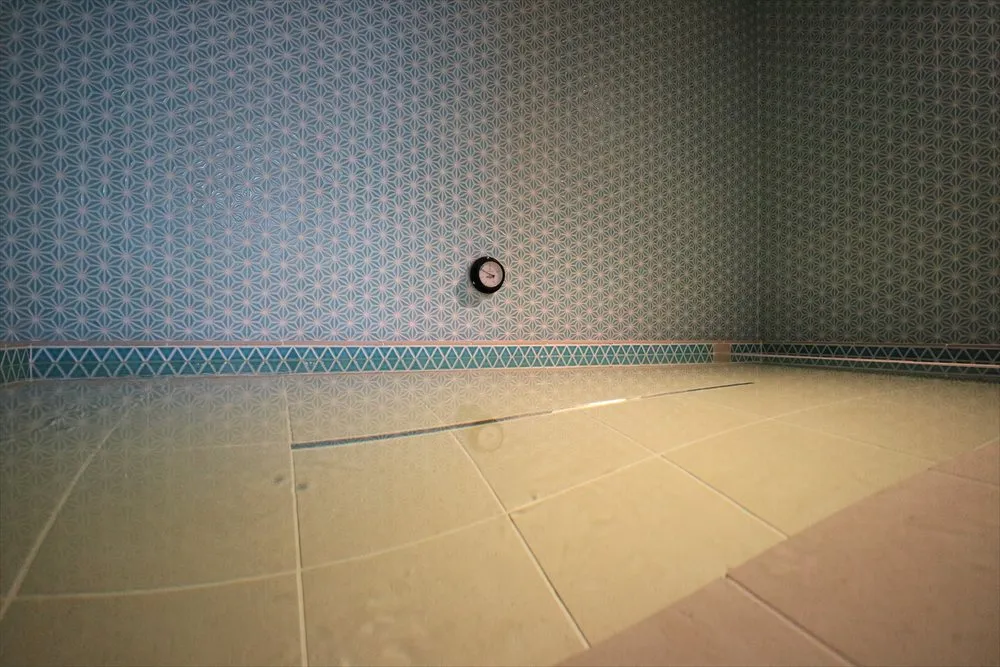
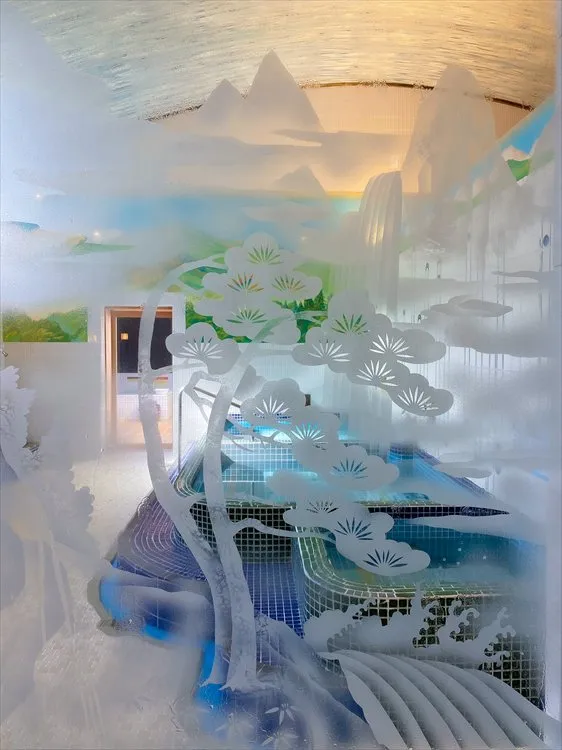
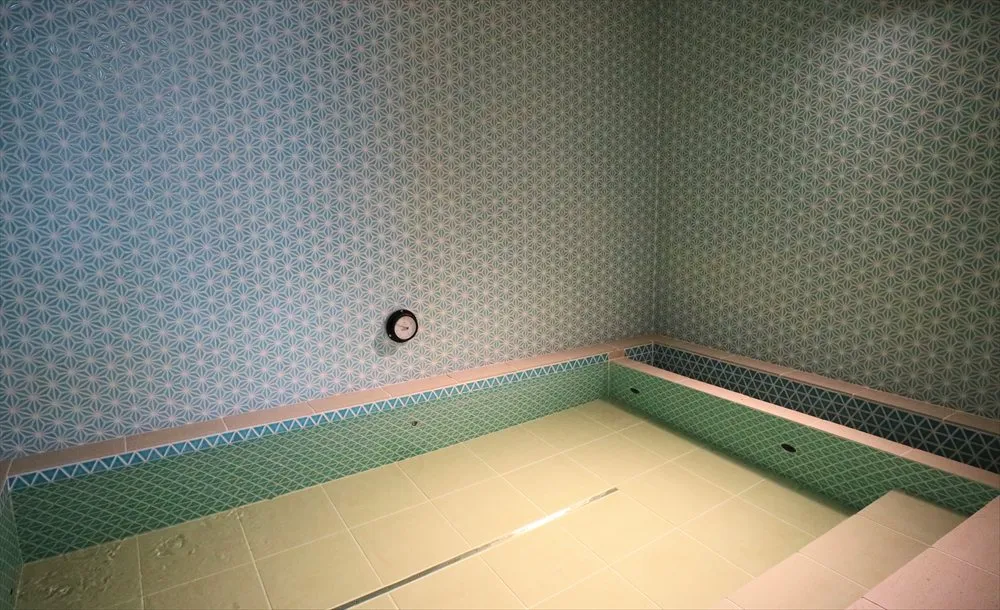
The cold bath, surrounded by delicate blue tiles, feels like a serene sanctuary, ideal for moments of quiet meditation. The outdoor rotenburo nestled within a small garden adds the sensation of a brief, restorative getaway.
With its broad range of amenities, Estland is a go-to for those seeking deep relaxation and health benefits in a clean, welcoming, and modern setting.
Officially appointed as a Sento Ambassador by the Japan Sento Cultural Association. Originally from France, Stephanie has a deep love for Japanese sento. She actively shares the charm of sento culture with the world through various activities, such as lectures, books, and TV programs.