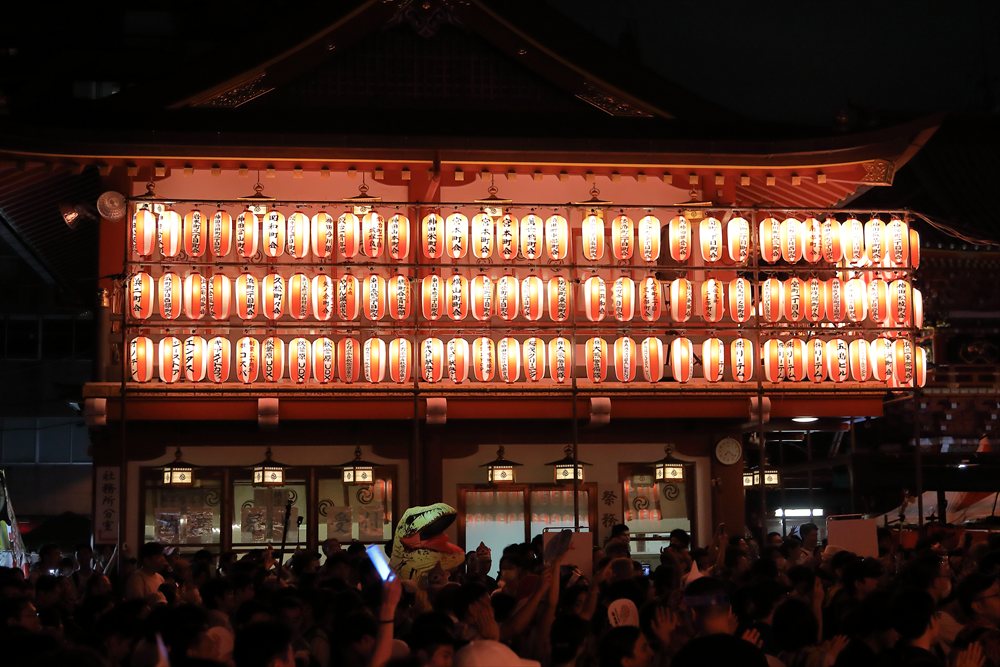
Although Tokyo is one of the world’s most modern cities, its traditional festival culture is still very much alive. Traditional festivals are held to pray for good harvests and ward off evil, and in recent years, community events that bring energy to local neighborhoods have also become increasingly popular. The city center, often seen as serious and orderly, takes on a surprisingly vibrant and energetic atmosphere once a festival begins. Experience a side of Tokyo that goes beyond the usual sightseeing.
Festivals Where You Can Experience Japanese Tradition
┃Sanno Festival
Dates: June 7–17, 2026
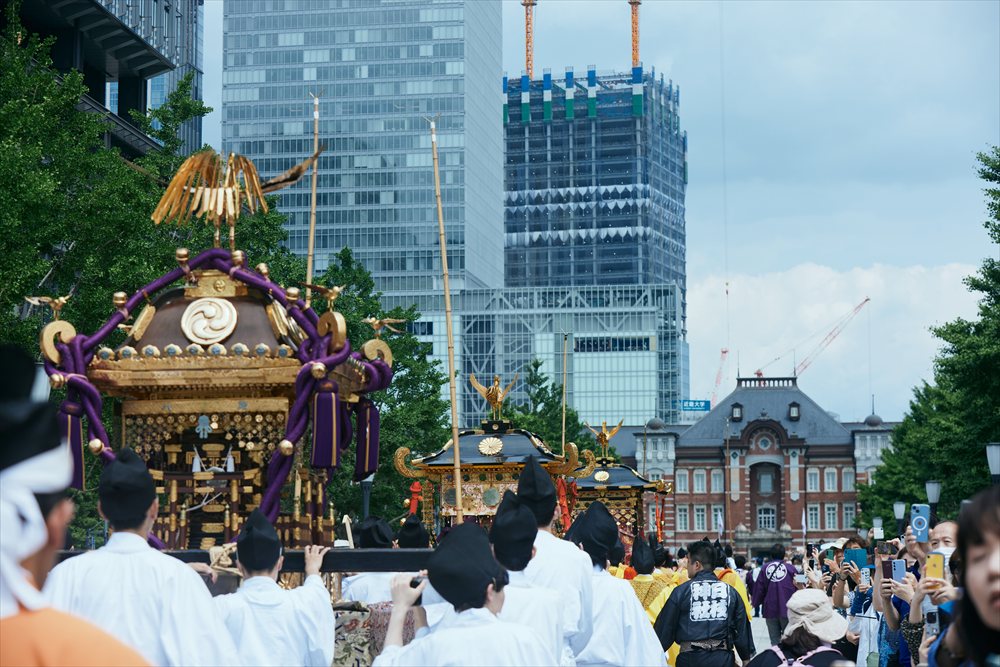
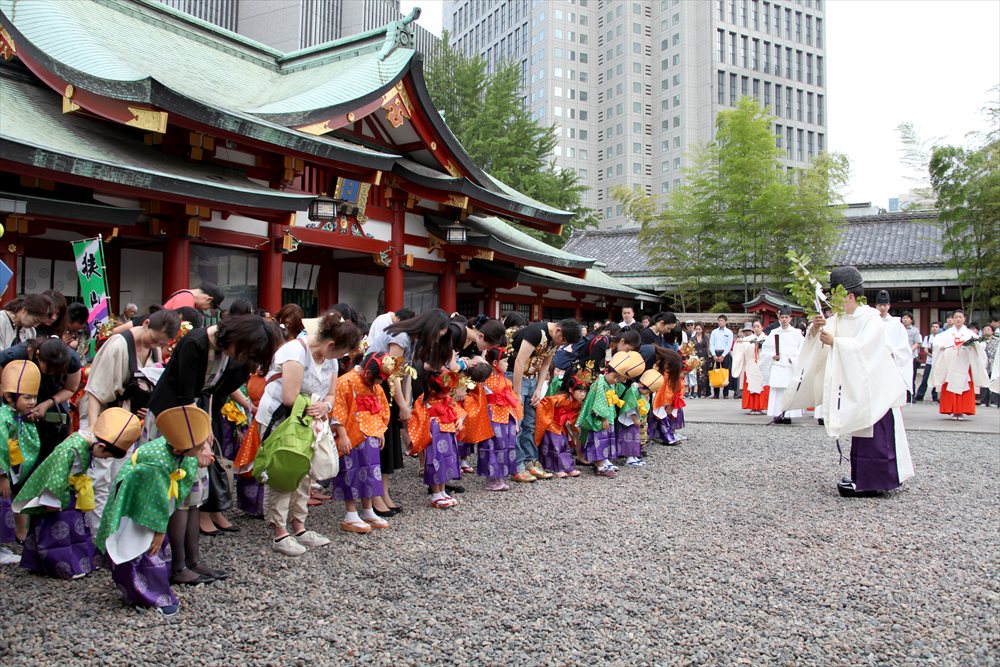
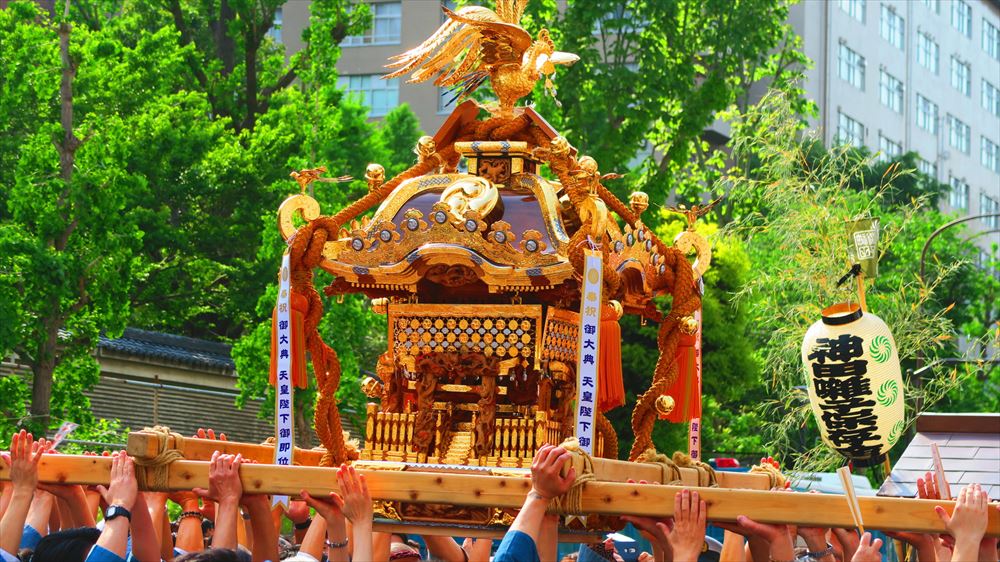
The Sanno Festival is a historic celebration, dating back to the Edo period (1603–1868), held at Hie-jinja Shrine, long revered as the guardian shrine of Edo (present-day Tokyo). A must-see highlight is the Shinko-sai procession on June 12, held every other year, when about 550 people in traditional court attire parade through the city with mikoshi (portable shrines) and festival floats. The procession starts at Hie-jinja Shrine and winds through such areas as the Imperial Palace, Nihonbashi, and Ginza. Throughout the festival, a variety of events take place, including kagura (sacred dance) and hayashi (festival music) performances on the shrine grounds, as well as Bon Odori dancing at the neighboring Sanno Park Tower.
┃Fukagawa Hachiman Festival
Dates: August 12–16, 2026
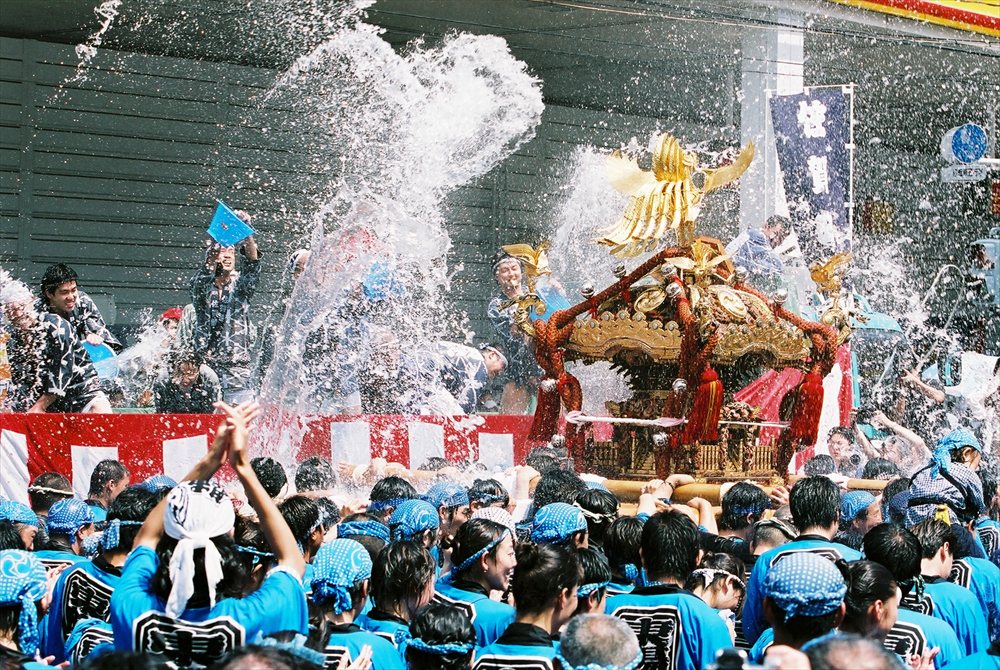
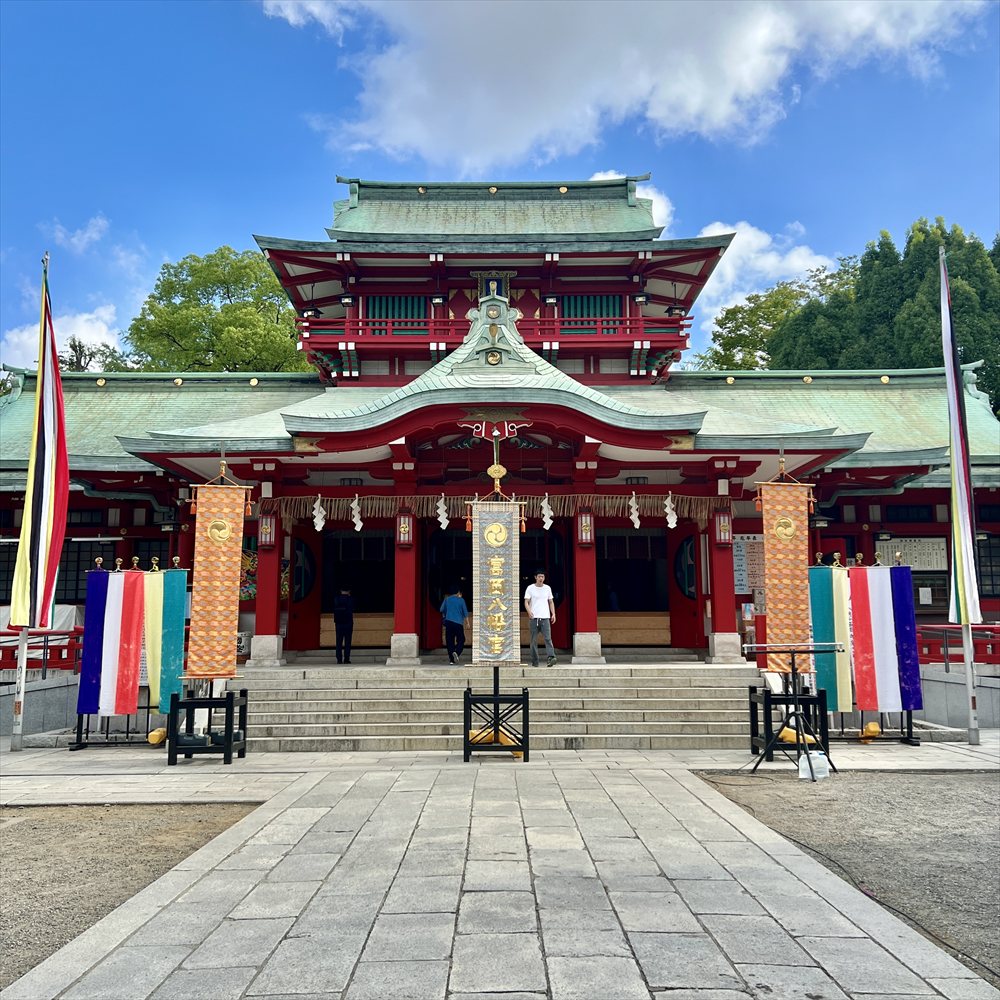
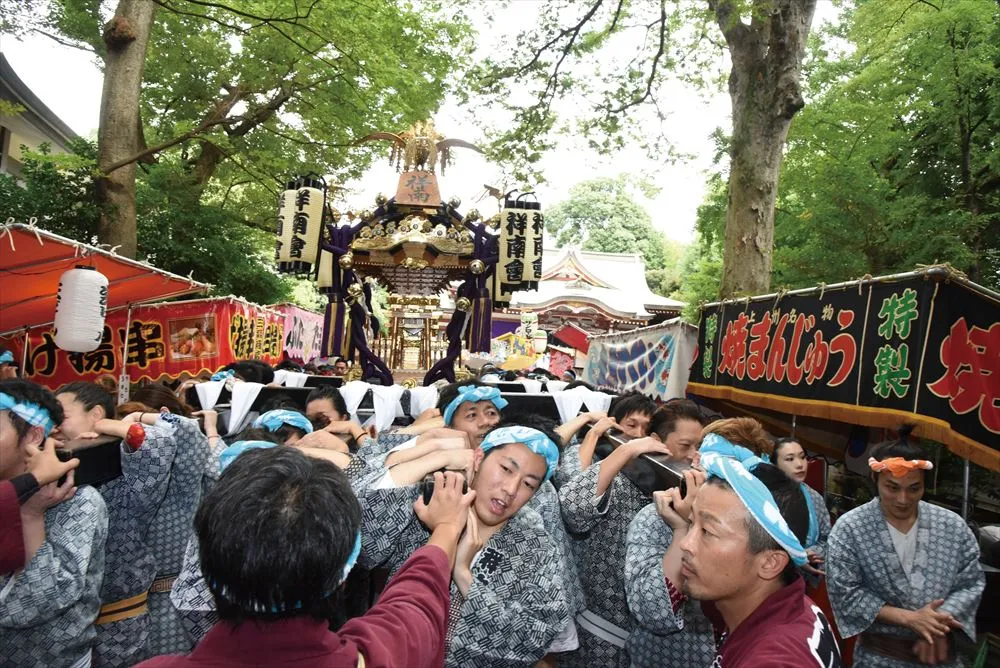
This is the principal festival of Tomioka Hachimangu Shrine. The main festival takes place once every three years. During this festival, the joint procession of 54 large mikoshi from parish neighborhoods is a spectacular sight. It is also called the “water-splashing festival,” as spectators along the route splash purifying water on the mikoshi bearers. As water splashes dramatically from hoses and buckets and chants of “Wasshoi! Wasshoi!” fill the air, the entire area comes alive with energy as bearers and spectators share in the excitement.
Point!
These two festivals, together with the Kanda Festival held in odd-numbered years, are known as the Three Great Festivals of Edo. All three date back to the Edo period and continue to be celebrated today.
Festivals Where You Can Enjoy Lively Dancing
┃Awa Odori
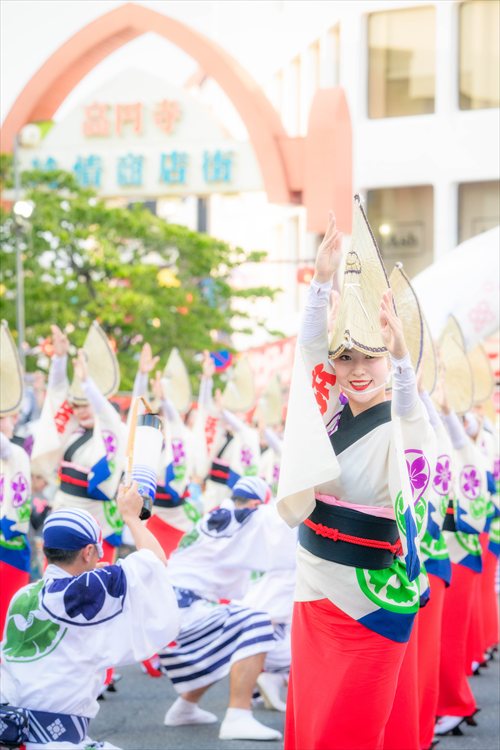
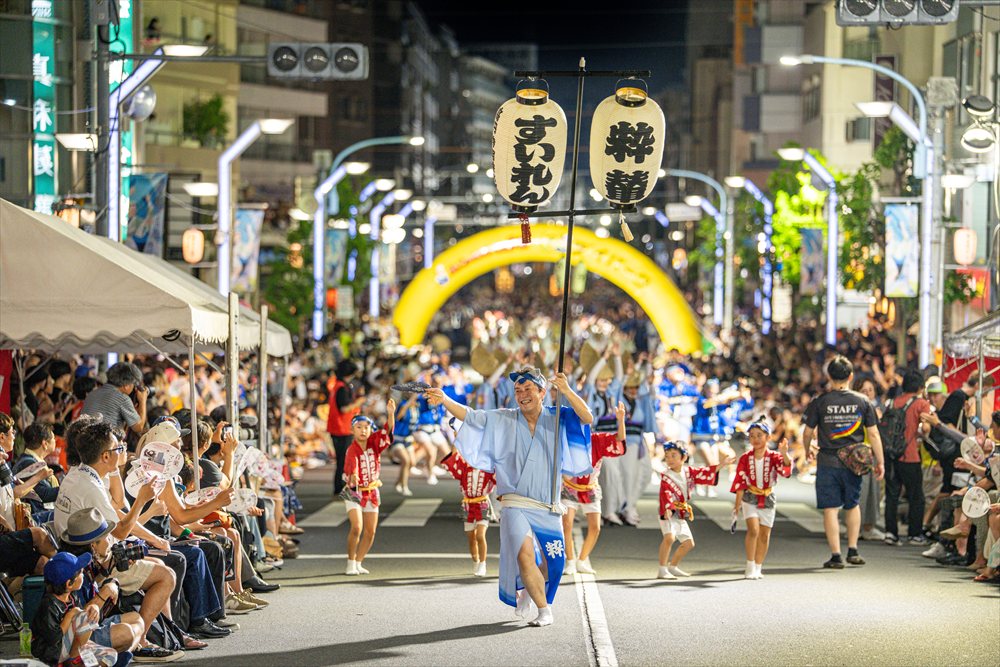
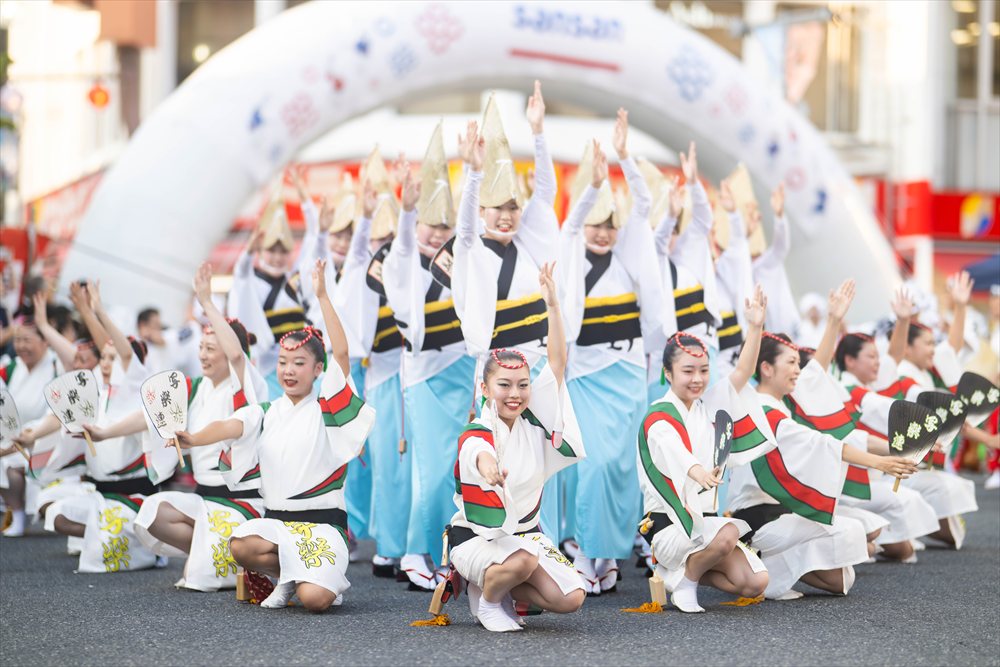
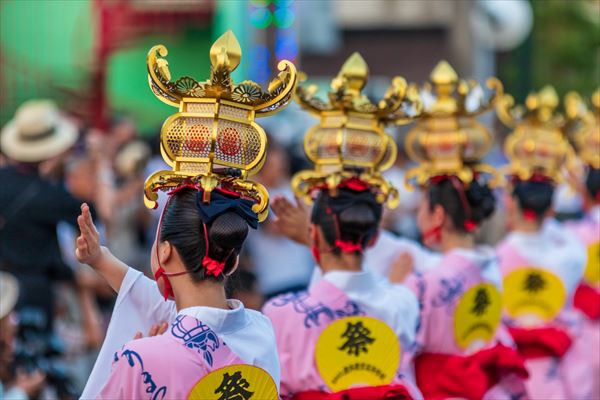
A traditional performing art that originated in Tokushima Prefecture and has since spread throughout Japan. There are two main styles: the dynamic men’s dance and the graceful women’s dance. Dancers in colorful costumes perform lively, energetic dances to the sound of hayashi (festival music). In Tokyo, Awa Odori is held in areas such as Koenji and Kagurazaka. Since you can easily watch the performances from along the streets, don’t miss the chance to experience them up close as the whole neighborhood comes alive with excitement.
Kagurazaka Festival (Awa Odori): July 24 and 25, 2026
Koenji Awa Odori: August 29 and 30, 2026
┃Bon Odori
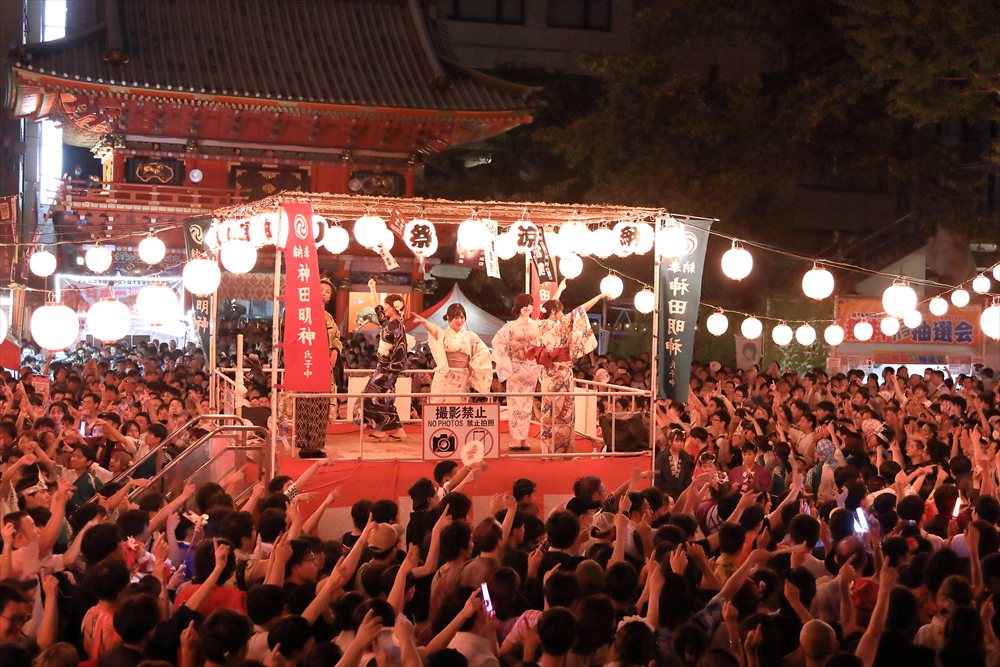
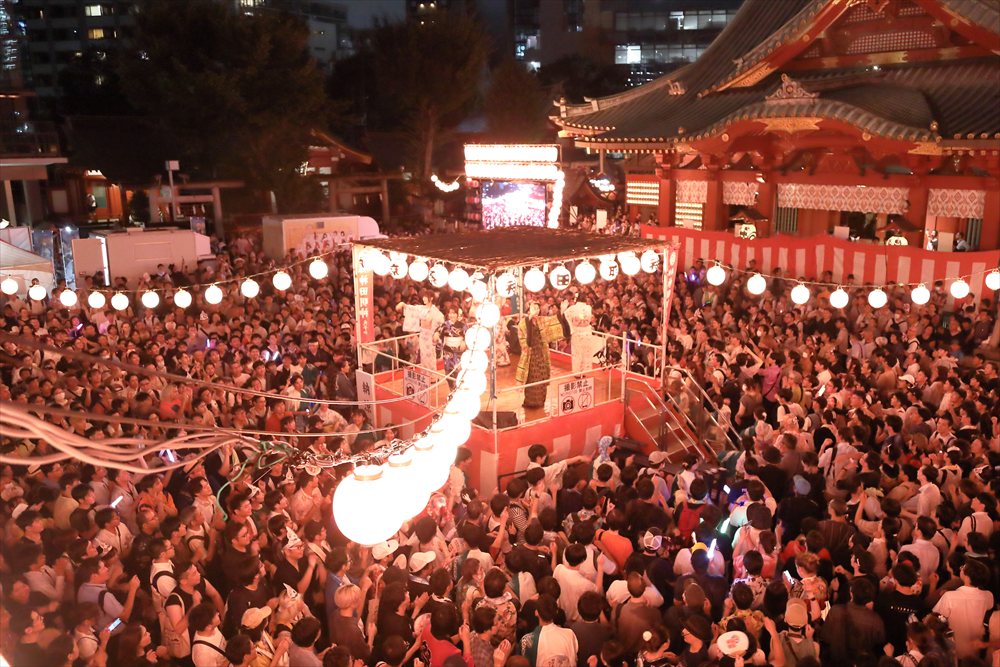
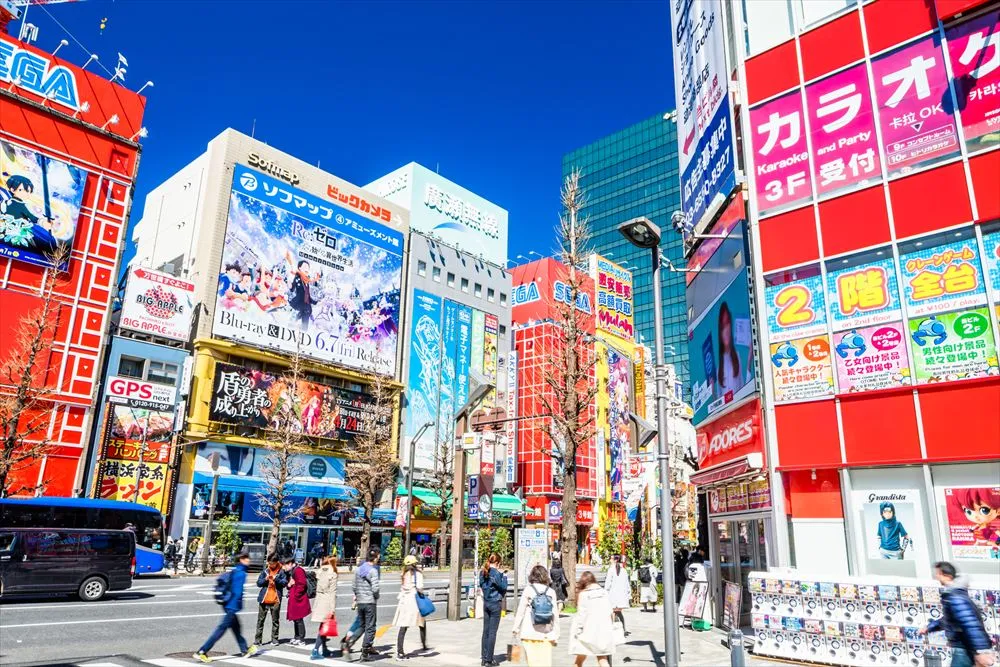
A classic feature of the Japanese summer, Bon Odori is said to have originated from rituals to honor ancestral spirits and pray for a good harvest. It is held throughout Japan, mainly in July and August, and is typically danced in a circle around a raised platform called “yagura.” One of its best features is that anyone can join in. Different regions also have their own unique styles of dance. At Kanda Myojin, near Akihabara, the Anime Song Bon Odori, where people dance to anime songs, draws great excitement every year. Bon Odori can also be enjoyed at many other locations across Tokyo, including Tsukiji Hongwanji Temple and Roppongi Hills.
Kanda Myojin Noryo Festival: August 7, 8, and 9, 2026
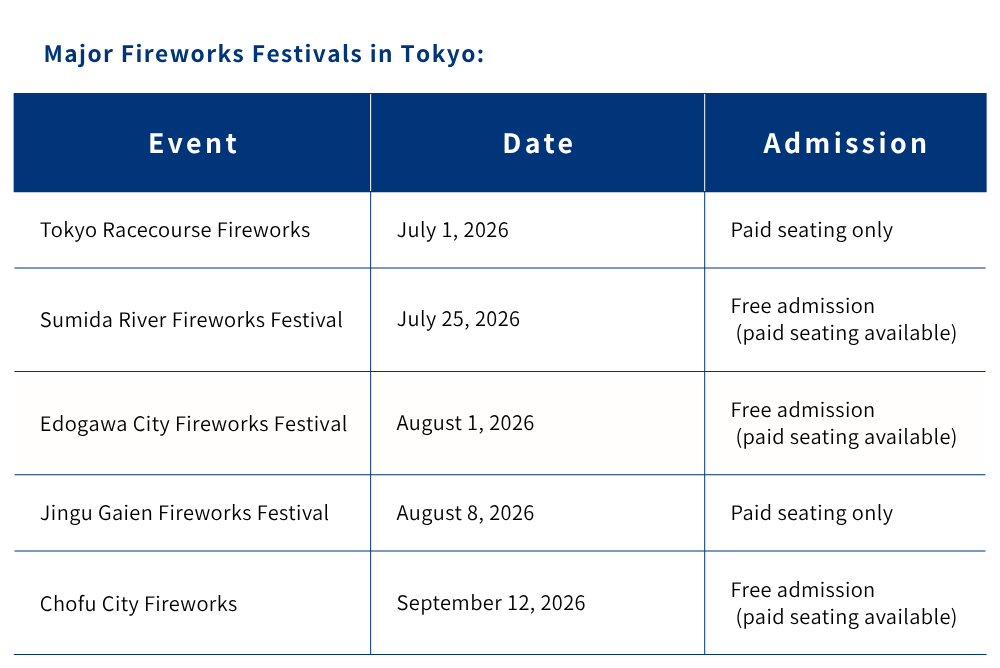
Fireworks Festivals That Light Up the Night Sky
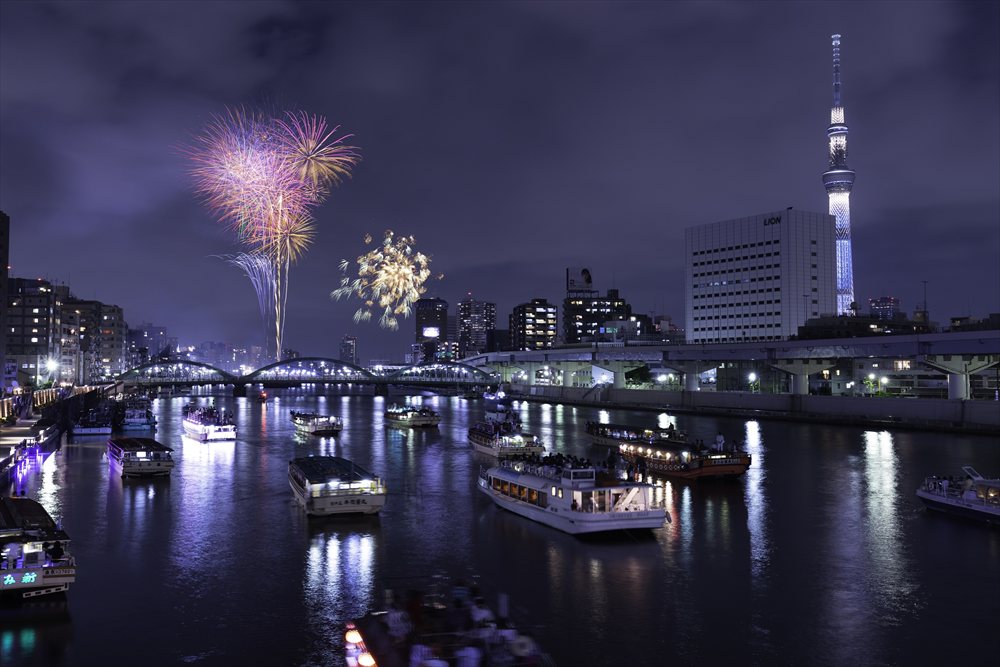
Fireworks festivals are one of the biggest highlights of summer in Japan. At the Sumida River Fireworks Festival, said to be the oldest fireworks festival in Japan, around 20,000 fireworks light up the night sky in brilliant colors with TOKYO SKYTREE in the background.
Point!
The area around the venue becomes extremely crowded, and getting to the nearest station may take much longer than usual. Consider using a station a little farther away or going at a different time. Wearing a yukata will make the experience even more memorable and allow you to experience the best of summer in Japan.
Beat the Heat! What to Bring to Summer Festivals
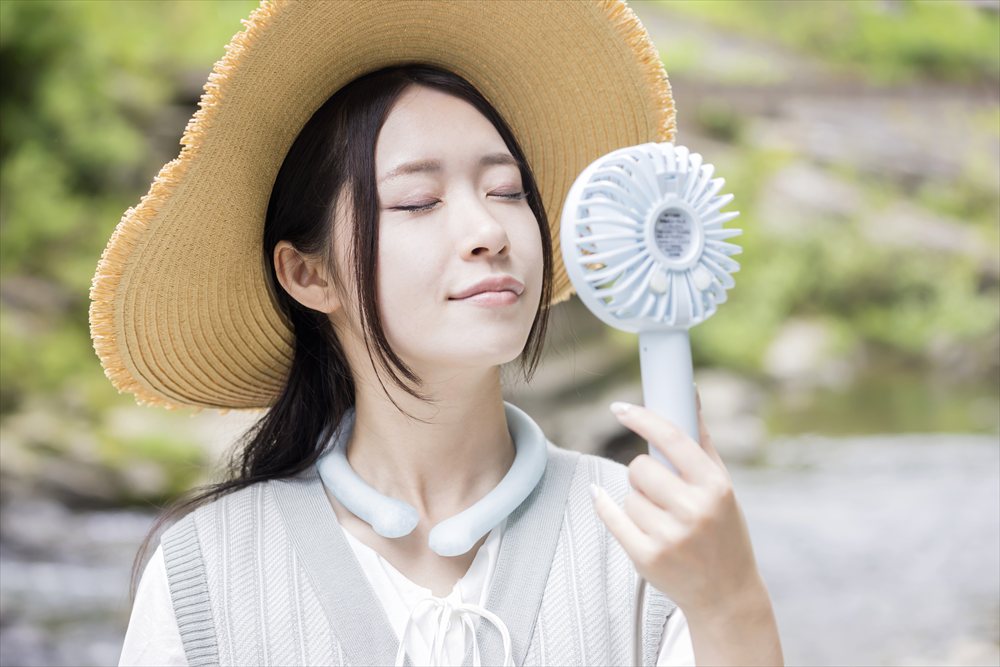
To enjoy summer festivals comfortably, preparation is essential. In Tokyo, from late June to mid-September, the number of “very hot days,” when temperatures exceed 30 degrees C, increases. During the peak months of July and August, temperatures can even rise above 35 degrees C. Strong sunlight and large crowds can increase the risk of heatstroke, so it’s important to take precautions. You can easily find heat-protection items at 100-yen shops, drugstores, and discount stores such as Don Quijote.
◆ Useful Items to Stay Cool at Summer Festivals
・Sports drinks
・Hat
・Cooling towel
・Portable fan
Festival Food Stalls!
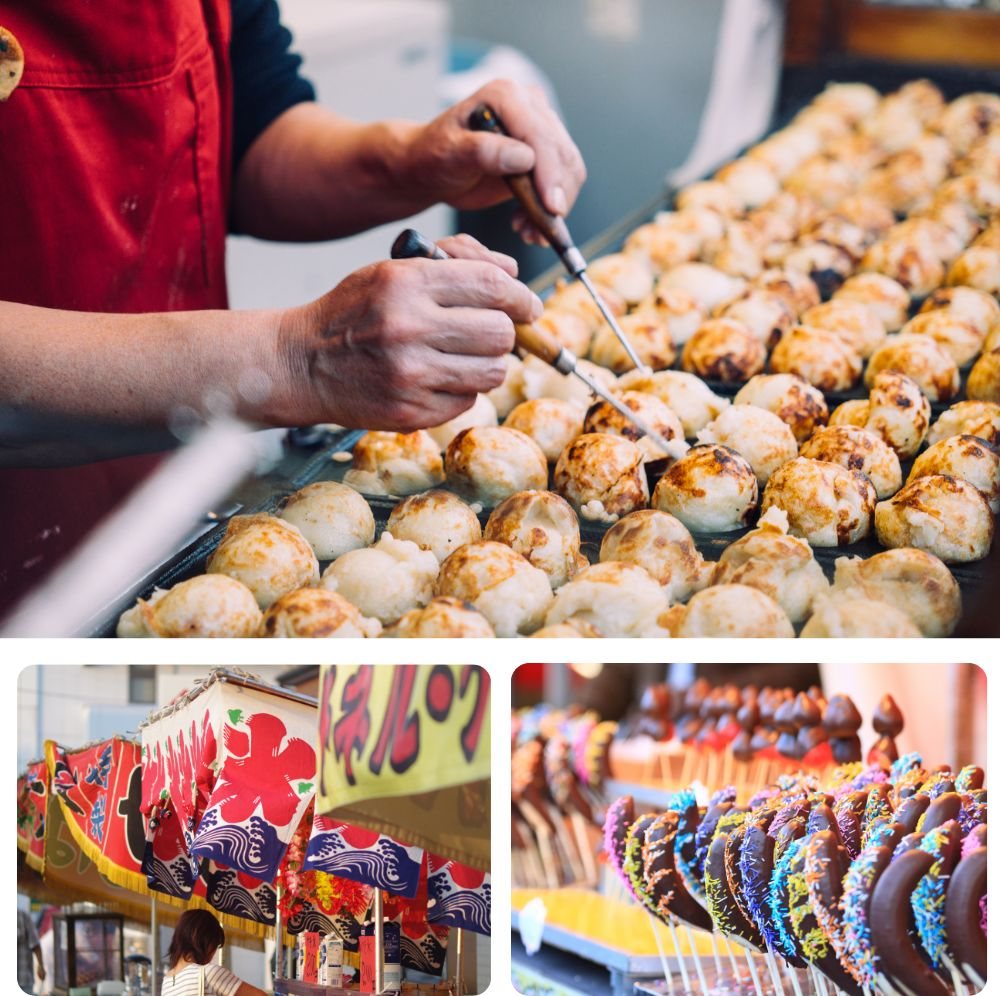
Festival food is one of the best parts of the experience, with classics like yakisoba, takoyaki, chocolate-covered bananas, and candy apples!
I am from Taiwan and currently living in Japan. I started listening to the radio for language study and this habit has become part of my life. Now my hobby is learning about lesser-known great places and information on local food all over Japan via the radio. On my days off, I visit places mainly in the Kanto area to look for seasonal views, such as those with cherry blossoms and hydrangea. I am a big fan of Arashi, a popular Japanese boy band.