AQUA WORLD Ibaraki Prefectural Oarai Aquarium, Ibaraki Prefecture
🐋As an island nation surrounded by the sea, Japan boasts a remarkable variety of aquariums. Each has its own character, featuring exhibits inspired by local marine environments as well as unique research and conservation programs.
There’s so much more to an aquarium visit than simply watching fish in a cool, comfortable space. Whether you’re traveling with family, on a date, or exploring solo, this guide will help you discover a deeper side of Japan’s aquariums. Read on for expert tips and some of our editorial team’s favorite highlights.
🐋
🧐My Rules for Enjoying Aquariums to the Fullest
Check the Schedule
Be sure to check the times for shows and special events in advance.
Take Time to Observe
Spend a while in front of the main tank and enjoy watching the fish glide gracefully through the water.
Learn Something New
Explore the aquarium’s research efforts and discover the local marine environment and wildlife unique to the region.
Try the Exclusive Food
Don’t miss the aquarium’s limited-edition treats and adorable animal-themed menu items available at its shops and restaurants.
Take Home a Memory
Browse the gift shop and pick out a special souvenir to remember your visit.
*Editor W: A self-proclaimed aquarium enthusiast who travels across Japan in search of the country’s best aquariums, from Hokkaido to Okinawa. Her dream is to visit every aquarium in Japan!
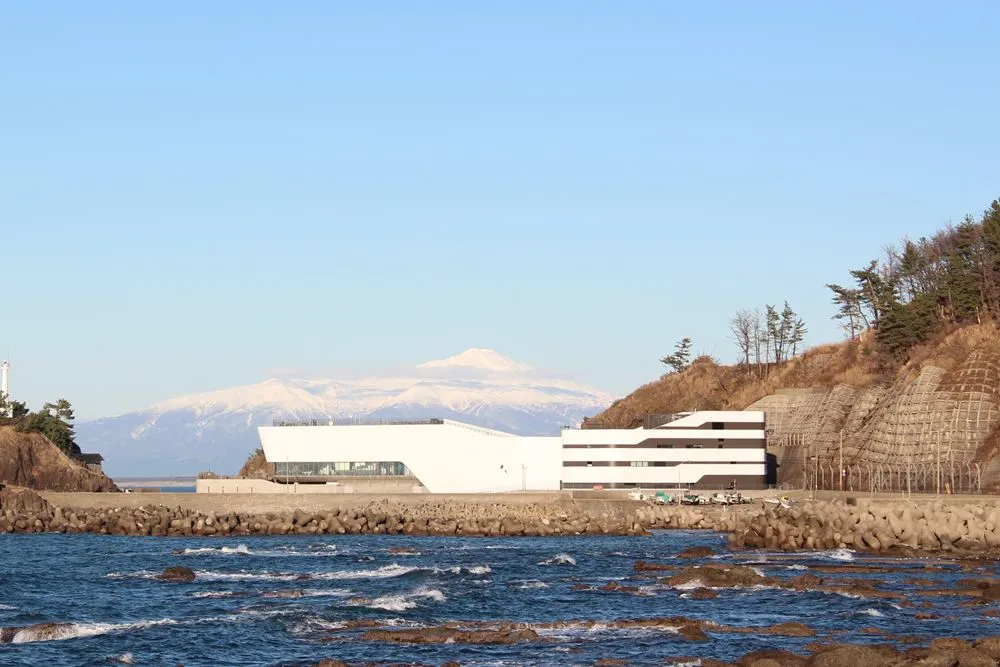
🪼TOHOKU EPSON AQUARIUM KAMOSUI (Tsuruoka City Kamo Aquarium), Yamagata Prefecture
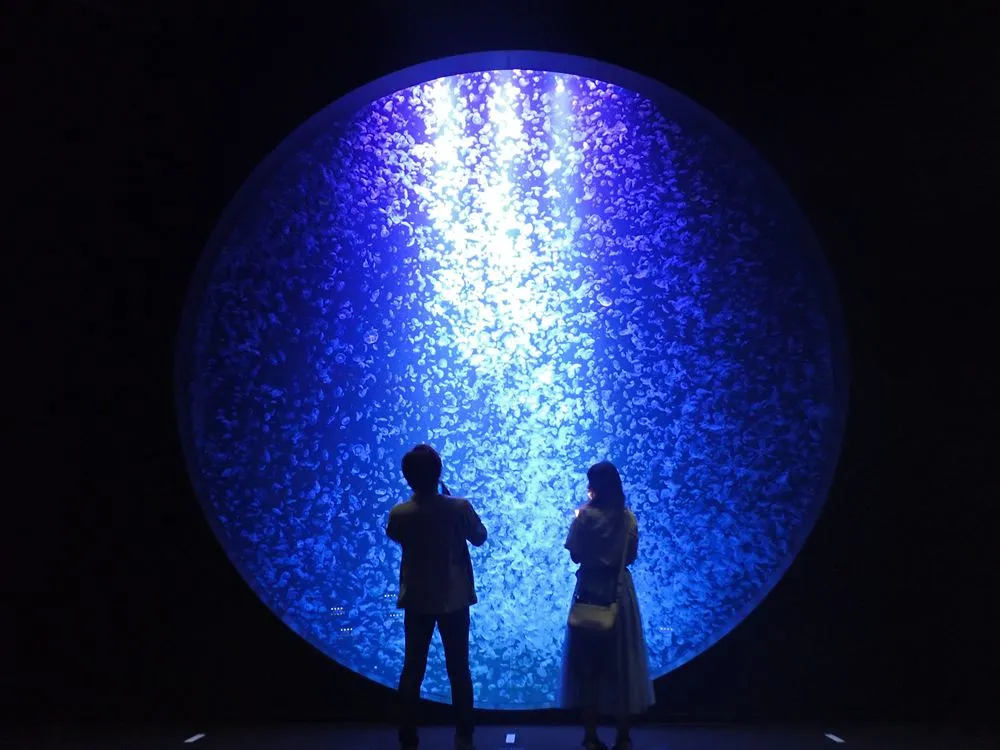
Kurage Dream Theater
Kamo Aquarium is a world-renowned aquarium specializing in jellyfish. Around 100 species of jellyfish are on display at all times, and their remarkable diversity in size, shape, and beauty may completely change your perception of these fascinating creatures.
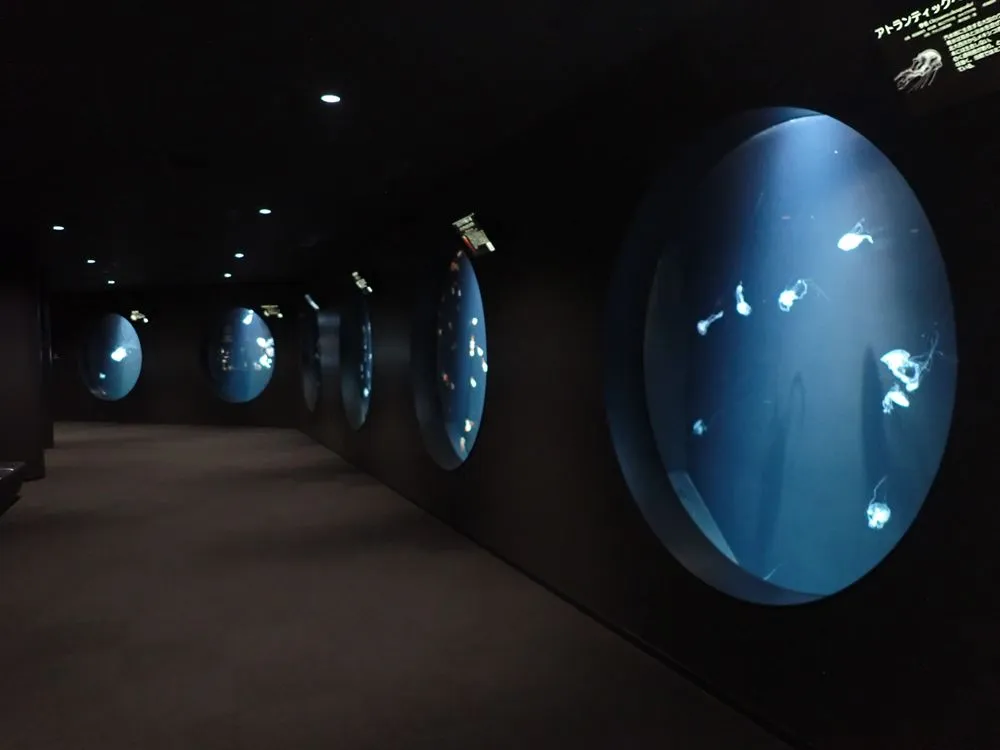
jellyfish tanks
The aquarium’s most iconic attraction is the Kurage Dream Theater, a giant tank measuring over five meters in diameter. Approximately 10,000 moon jellyfish drift gracefully through the water, all of which are bred and raised at the aquarium.
Following its renovation and reopening in April 2026, the exhibition area has been expanded. Six additional jellyfish tanks, each measuring 2.5 meters in diameter, have been added, making the exhibits even more spectacular than before.
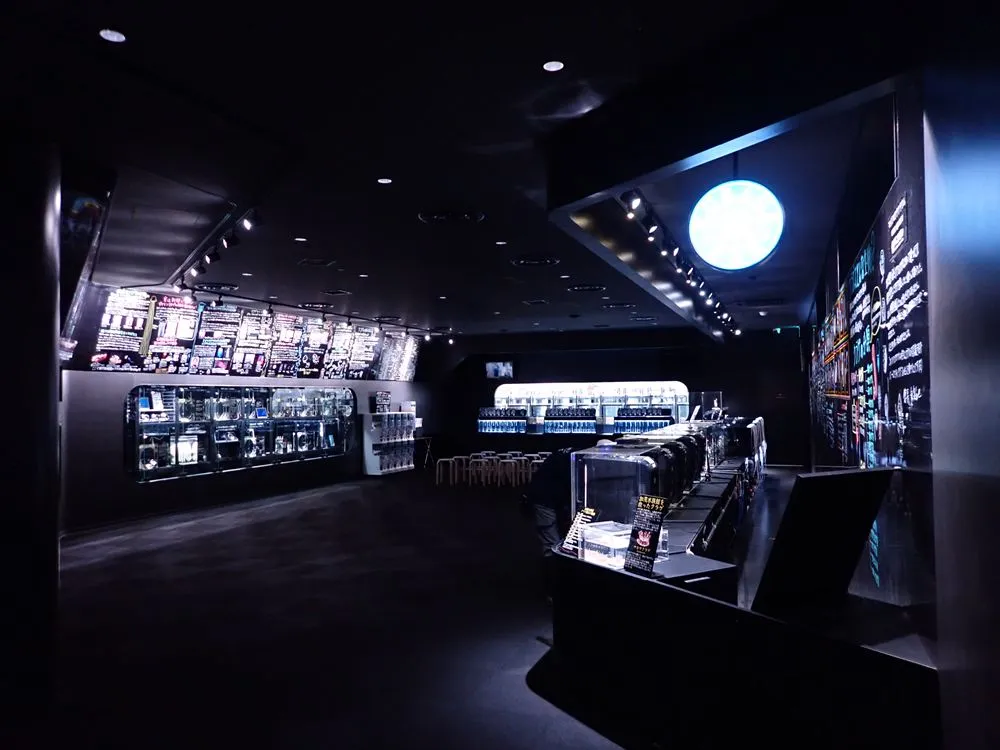
Micro Aquarium
┃Editor’s Eye
My favorite spot is the Micro Aquarium area, where visitors can learn about the aquarium’s jellyfish research and breeding efforts. Handwritten messages from the aquarium staff (available in Japanese only) are displayed on the wall panels, offering a glimpse into their passion and dedication. As you observe jellyfish in various stages of growth and development, you can enjoy learning about the fascinating world behind their breeding and care.
🪼
┃Another Pick
Don’t miss the kurage soft (jellyfish soft-serve ice cream) at the snack stand or the jellyfish ramen served at the restaurant! According to the aquarium, these unique menu items were inspired by a former director who heard from local fishermen that jellyfish could be surprisingly delicious. That conversation led to the development of the aquarium’s signature jellyfish dishes.
🍦
Access
JR Tsuruoka Sta. → 🚌40 min by bus
Business hours
9:00–17:00 / Admission: 1,500 yen
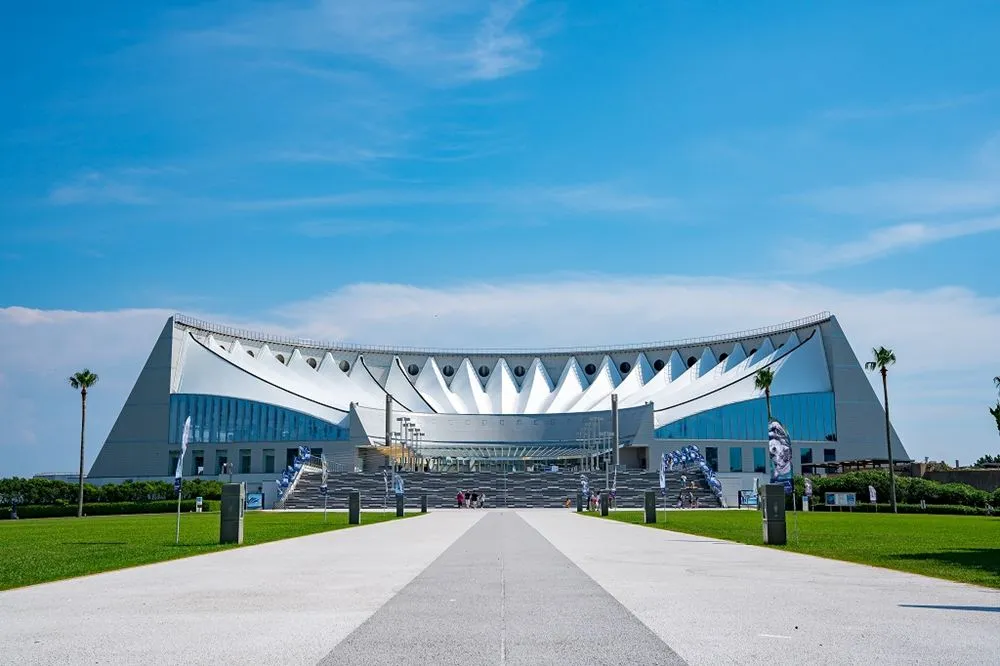
🦈AQUA WORLD Ibaraki Prefectural Oarai Aquarium, Ibaraki Prefecture
If you’re a shark lover, don’t miss AQUA WORLD Ibaraki Prefectural Oarai Aquarium, one of the largest aquariums in the Kanto region.
The aquarium is home to around 60 species of sharks and is known for its extensive research on shark ecology and breeding. To date, it has successfully bred more than 30 species of sharks, making it one of Japan’s leading aquariums for shark research.
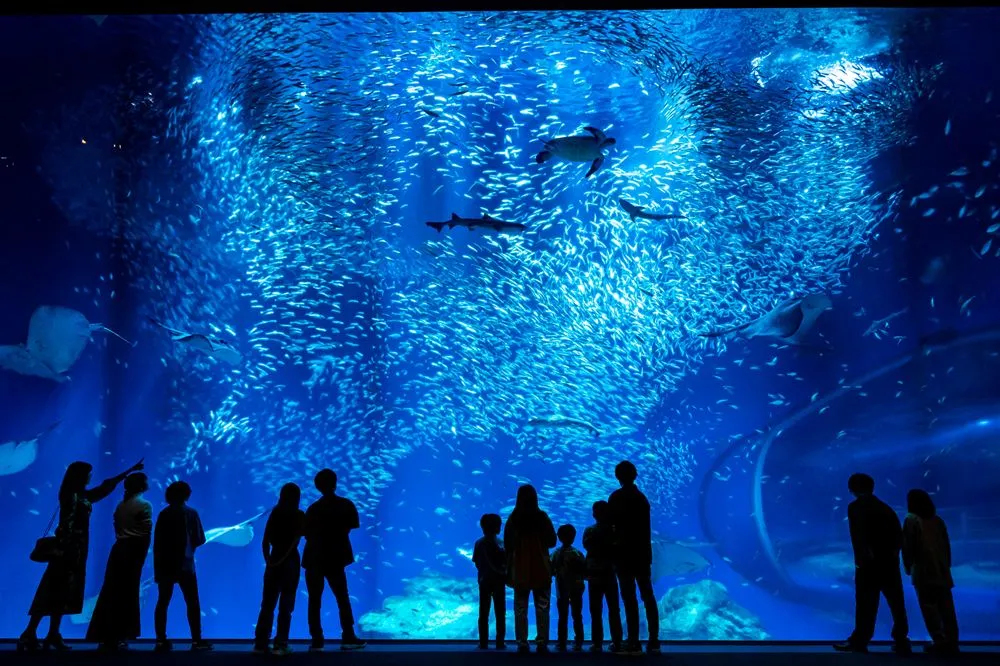
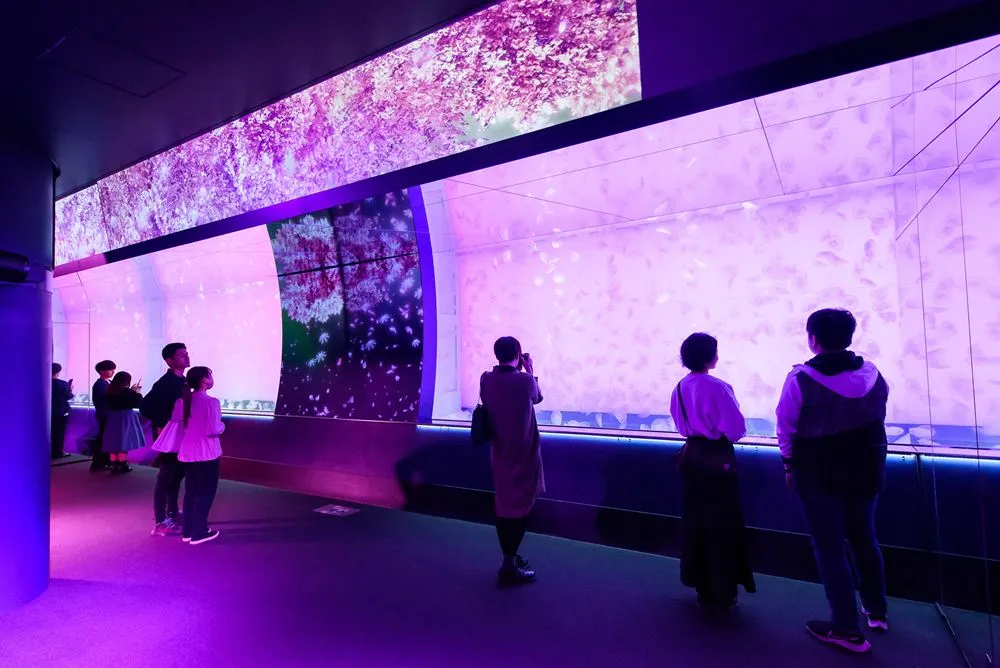
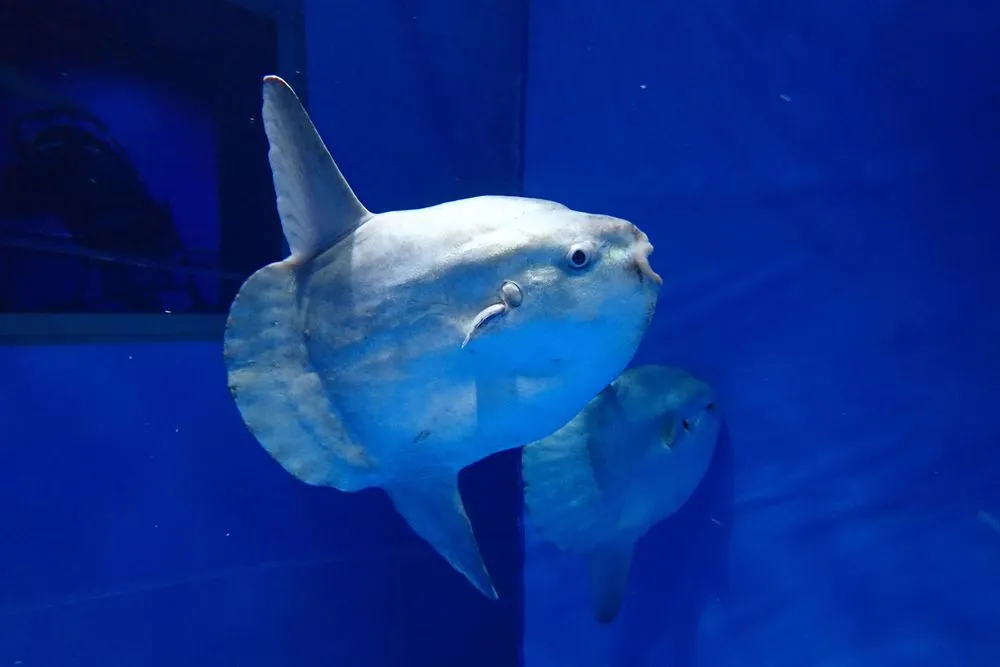
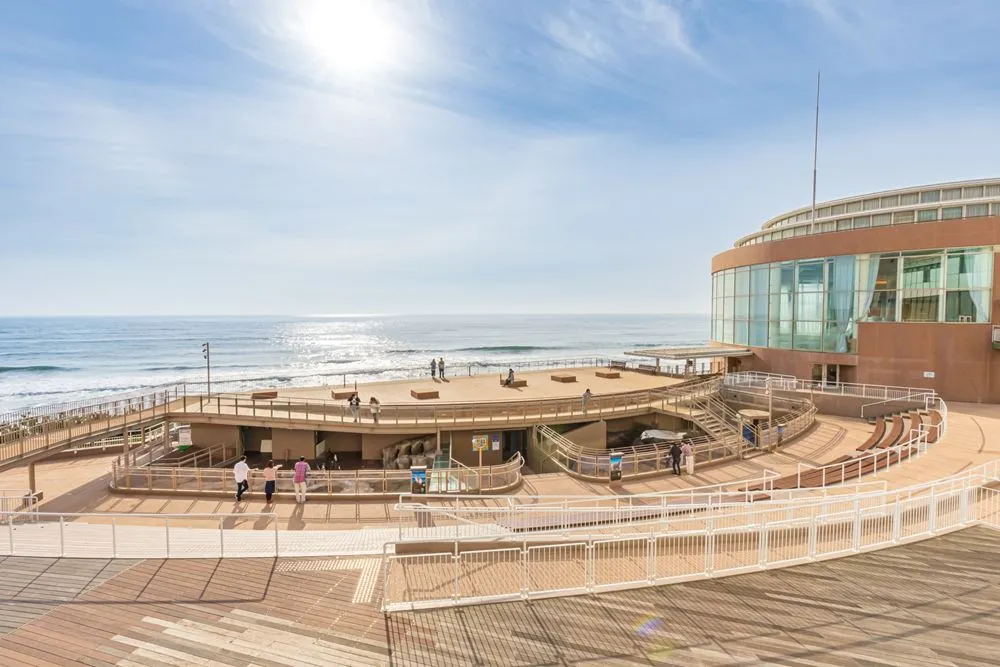
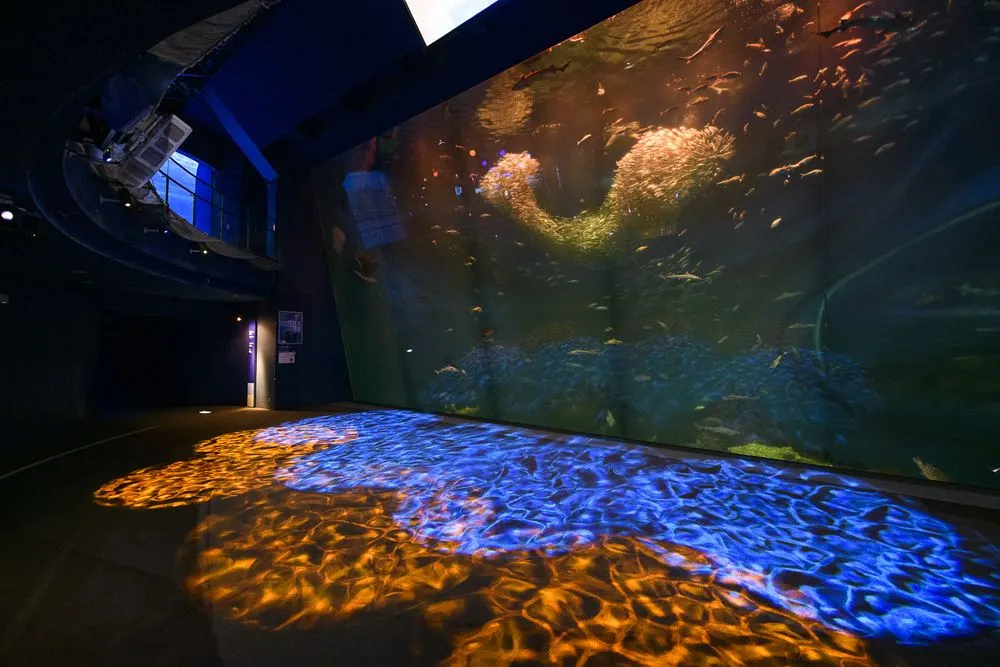
Other highlights include a massive tank featuring 25,000 marine creatures from 80 species, projection mapping displays in the jellyfish area, and the aquarium’s popular ocean sunfish exhibit. The outdoor area overlooks the Pacific Ocean, where visitors can observe penguins and sea lions from various angles while enjoying refreshing sea breezes and spectacular ocean views.
┃Editor’s Eye
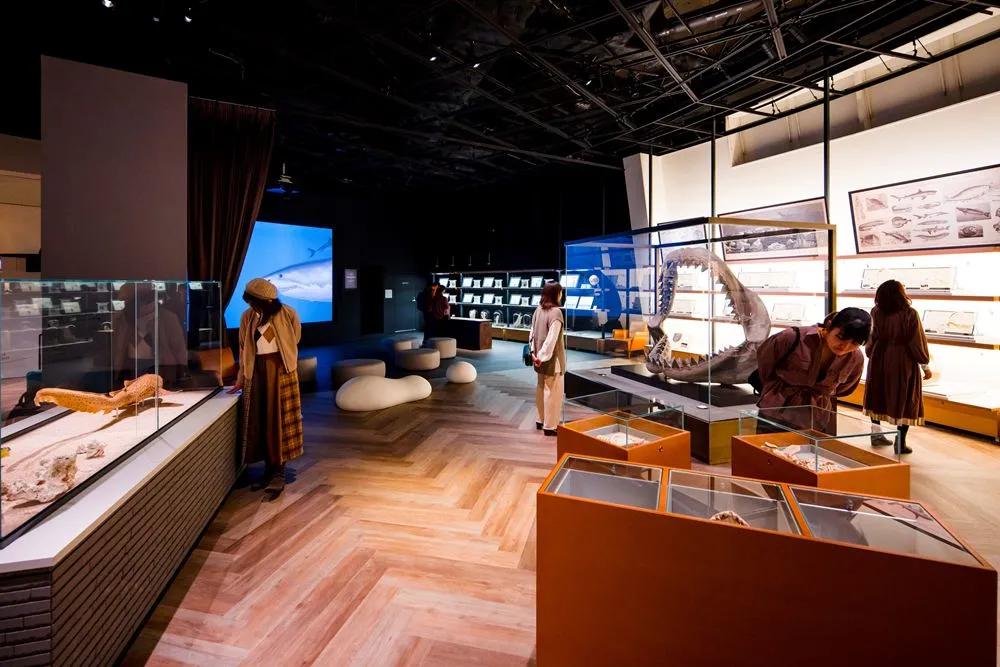
My personal recommendation is Shark Daddy’s Room, where you can see taxidermied sharks and enormous shark jawbones on display.
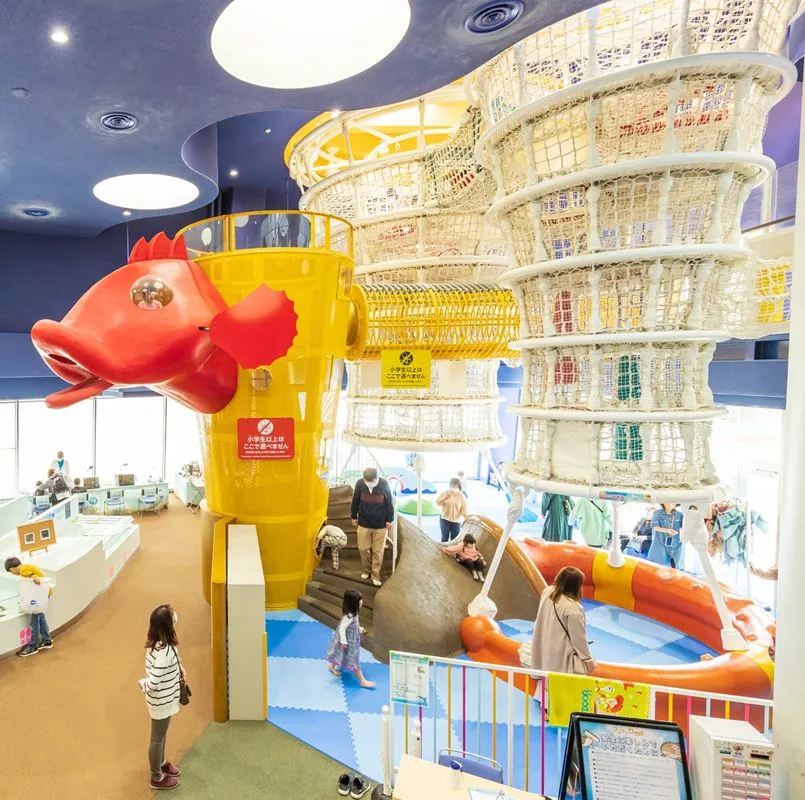
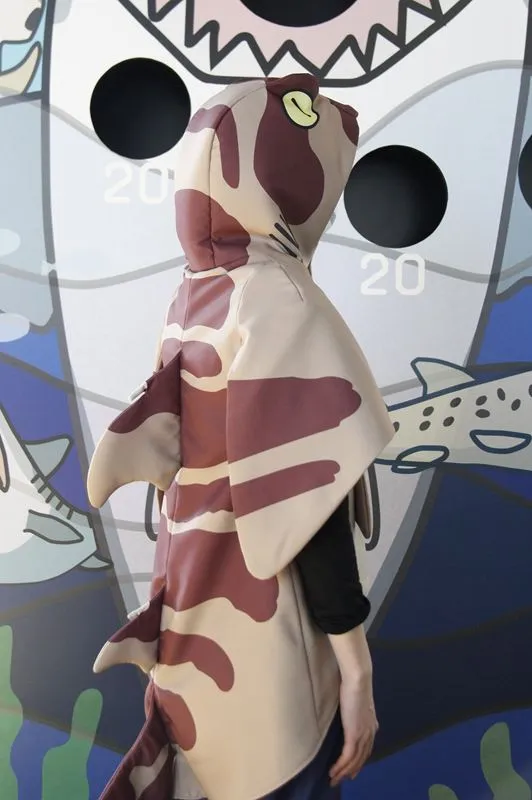
┃Another recommendation: If you’re visiting with children ages 2 to 6 (before elementary school), head to Wakuwaku Hiroba on the 5th floor. For just 200 yen, kids can put on an adorable shark poncho and enjoy 20 minutes of active play on the large playground equipment!
┃Travel Tip
NIGHT AQUAWORLD takes place every Saturday from 5:45 p.m. to 8:00 p.m. Enjoy a special evening experience featuring nighttime illuminations and exclusive aquarium performances.
Access
Nakaminato Sta. (Hitachinaka Seaside Railway) →🚌 7 min by bus
Business hours
9:00–17:00
Regular holiday
Open 365 days (except for maintenance closures) / Admission: 2,300 yen
🦦Toba Aquarium, Mie Prefecture
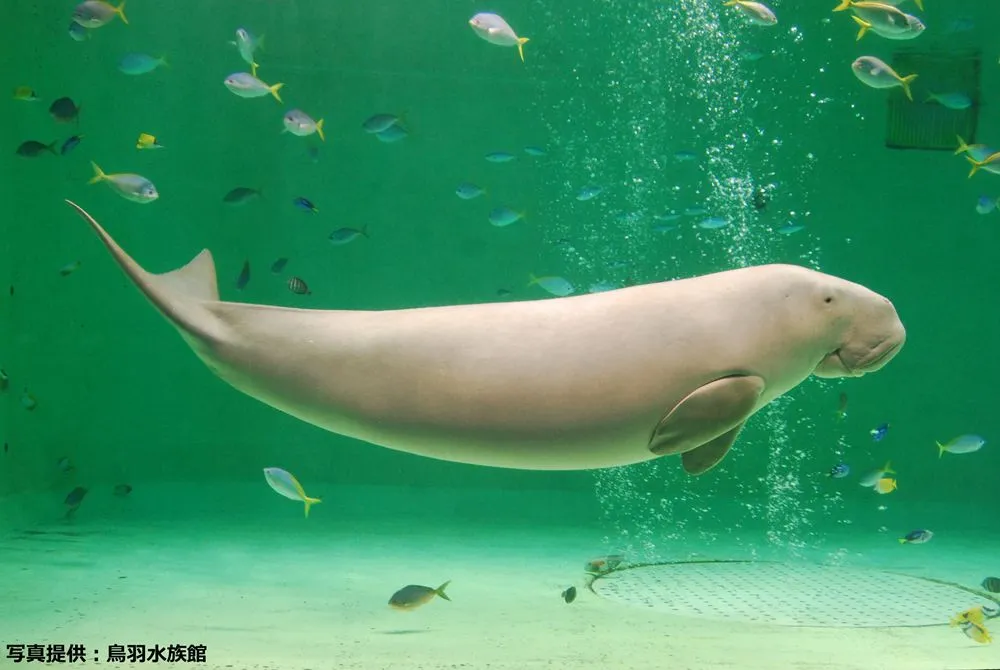
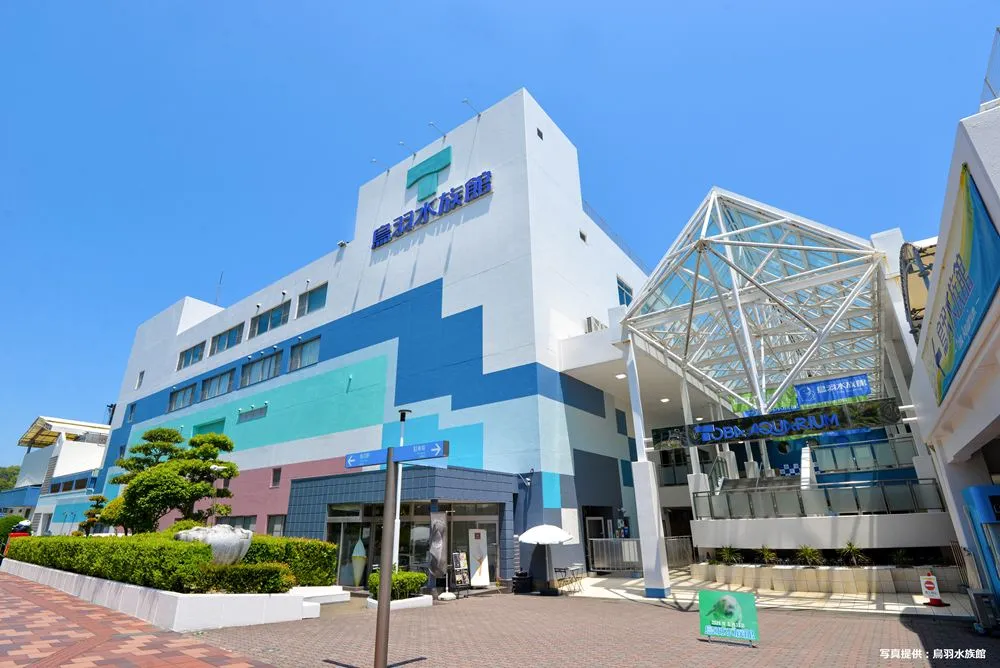
The dugong, which is said to have inspired mermaid legends, is an endangered species. It made headlines last year when one was spotted in Taiwan for the first time in 88 years. Toba Aquarium is the only aquarium in Japan where visitors can see both dugongs and sea otters (see note below).🪸
Visitors can also encounter many other fascinating animals, including giant walruses and African manatees. The aquarium’s three-story building is divided into 12 zones and is home to approximately 1,200 species, the largest number of animal species kept at any aquarium in Japan.
Note: As May the sea otter is experiencing age-related health issues, public appearances and events may be changed or canceled to prioritize her health and well-being.
┃Editor’s Eye
The popular sea otter exhibit can get very crowded, so visitors are currently asked to line up and take turns viewing it, with each group given one minute at the tank. One of the best times to visit is during the sea otters’ feeding sessions, held three times a day, when you can watch their adorable eating habits up close.
Access
Toba Sta. (JR / Kintetsu) → 🚶➡️10 min walk
Business hours
9:30–17:00 (hours vary by season)
Regular holiday
Open 365 days / Admission: 2,800 yen
🐟Marine World Uminonakamichi (Fukuoka Prefecture)
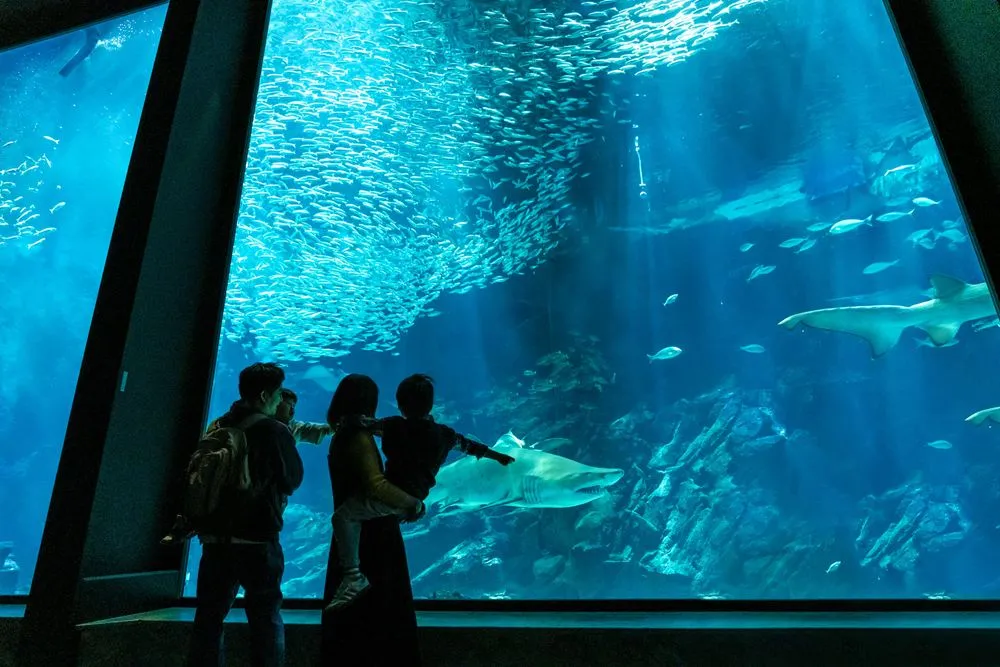
This aquarium showcases the natural beauty and marine life of Kyushu. One highlight is an area that recreates the lush forests and seas of Amami Oshima, a UNESCO World Natural Heritage site. In the outdoor ocean tank, which is 7 meters deep and recreates the warm waters of southern Kyushu, visitors can observe schools of approximately 20,000 Japanese sardines as well as sand tiger sharks measuring up to 3 meters in length.
┃Editor’s Eye
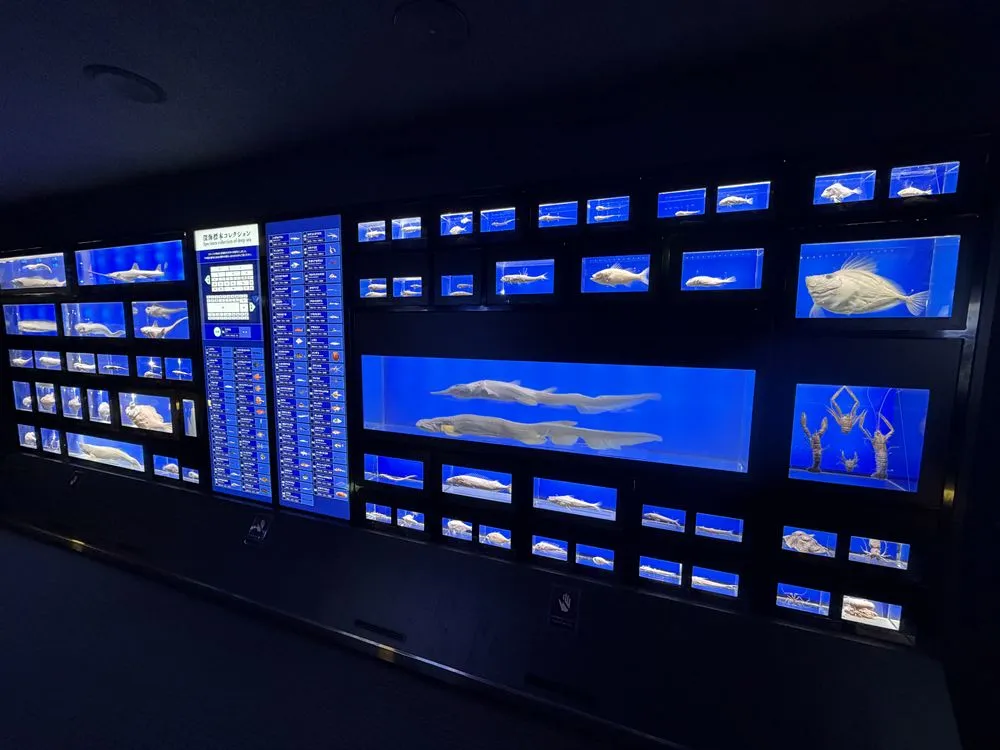
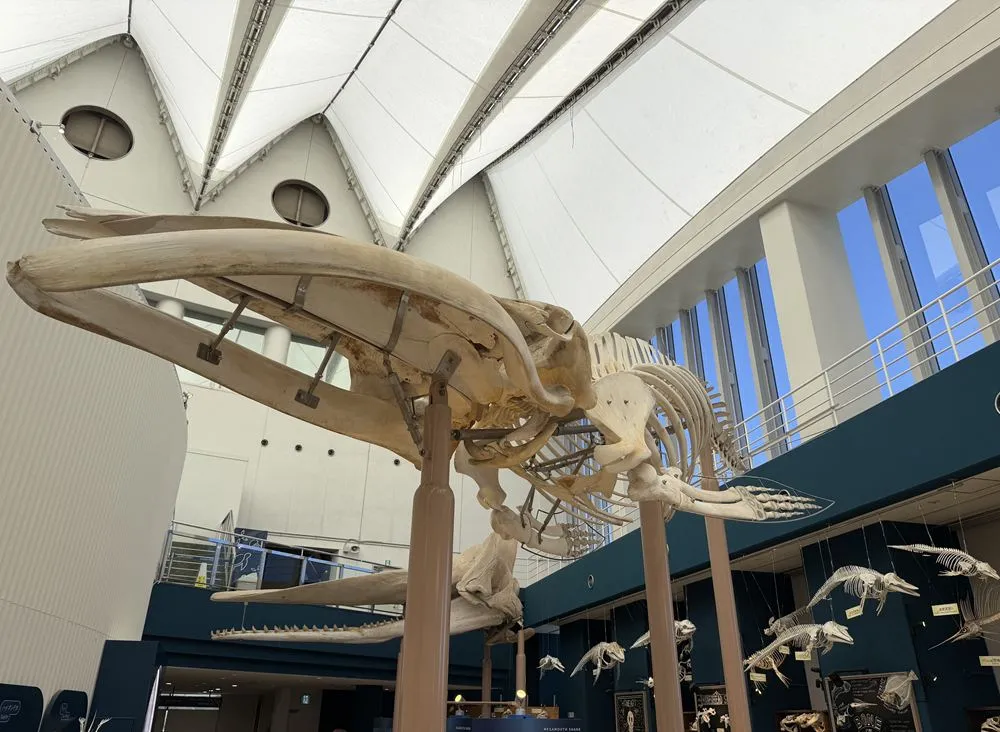
The specimen and skeleton exhibits in the deep-sea area are especially impressive, so be sure to stop by.🐙
┃Another Pick
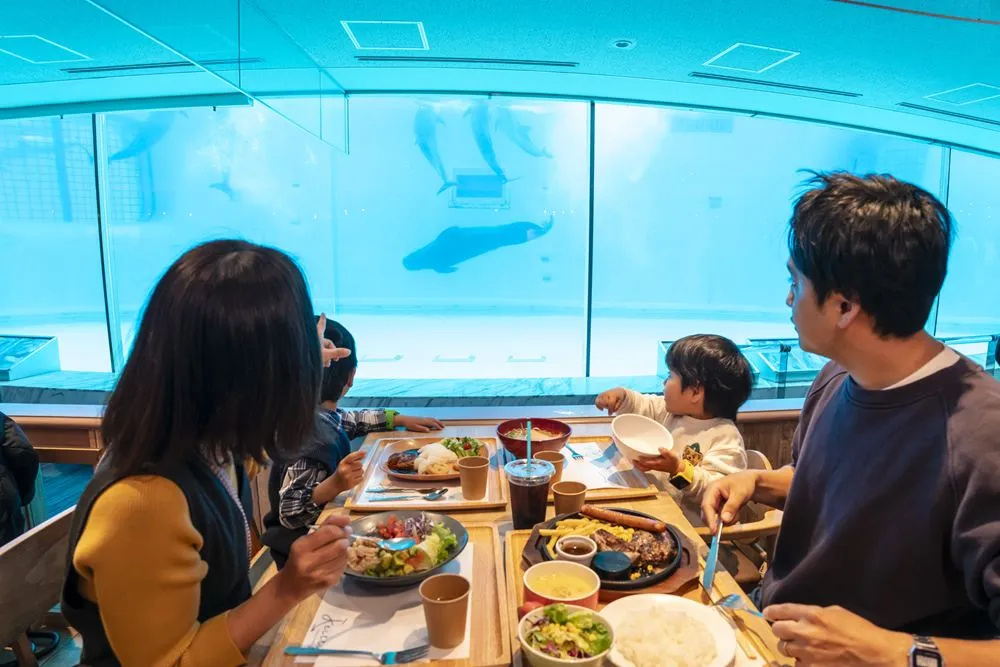
At the restaurant, you can enjoy your meal while watching dolphins swimming in the adjacent tank.
🐬
┃Travel Tip
Uminonakamichi Seaside Park, located next to the aquarium, is a scenic destination famous for its vast flower fields. The park also features a zoo, athletic facilities, and accommodations. To fully enjoy everything the area has to offer, it’s recommended to set aside a full day or plan an overnight stay.
🌺🌻
Access
JR Uminonakamichi Sta. → 🚶➡️5 min walk
Business hours
9:30–17:30 (hours vary by season; last admission 16:30)
Regular holiday
Four days from the third Monday of January / Admission: Adult 2,500 yen / Senior 2,200 yen / Elementary and junior high school student 1,200 yen / Infant 700 yen

_R.webp)

③2_R.webp)