Soba, or buckwheat noodles, is one of Japan’s most iconic noodle dishes. As buckwheat thrives in cold climates, it has long served as an important source of nutrition for people throughout history. During the Edo period (1603–1868), soba began to be enjoyed in the noodle form we know today and became a common part of everyday meals. In this guide, we take a closer look at the many charms of soba.
How to Enjoy Soba
Hot Soba
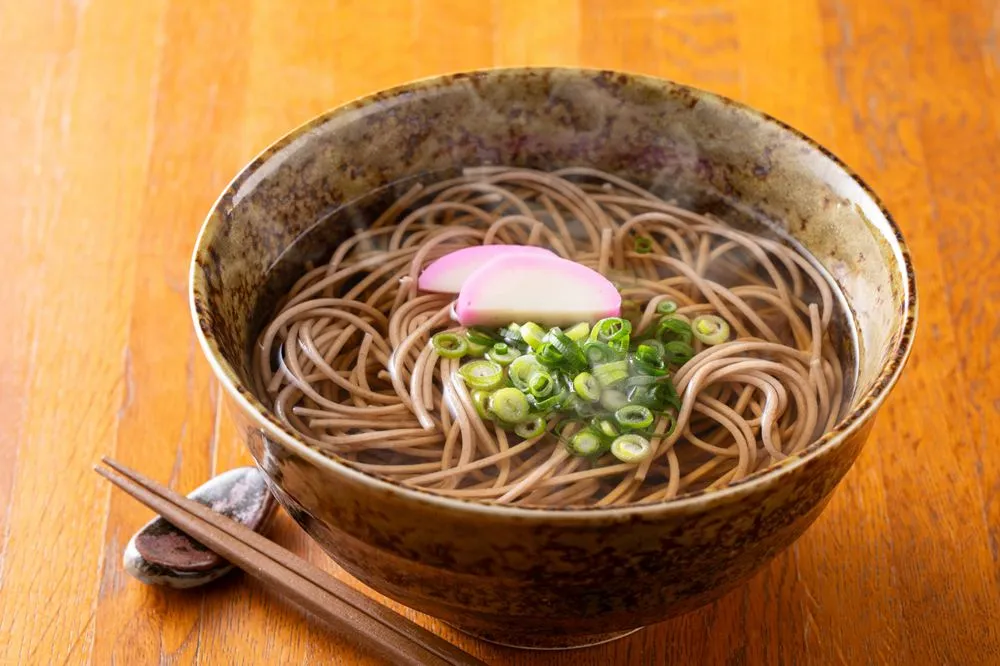
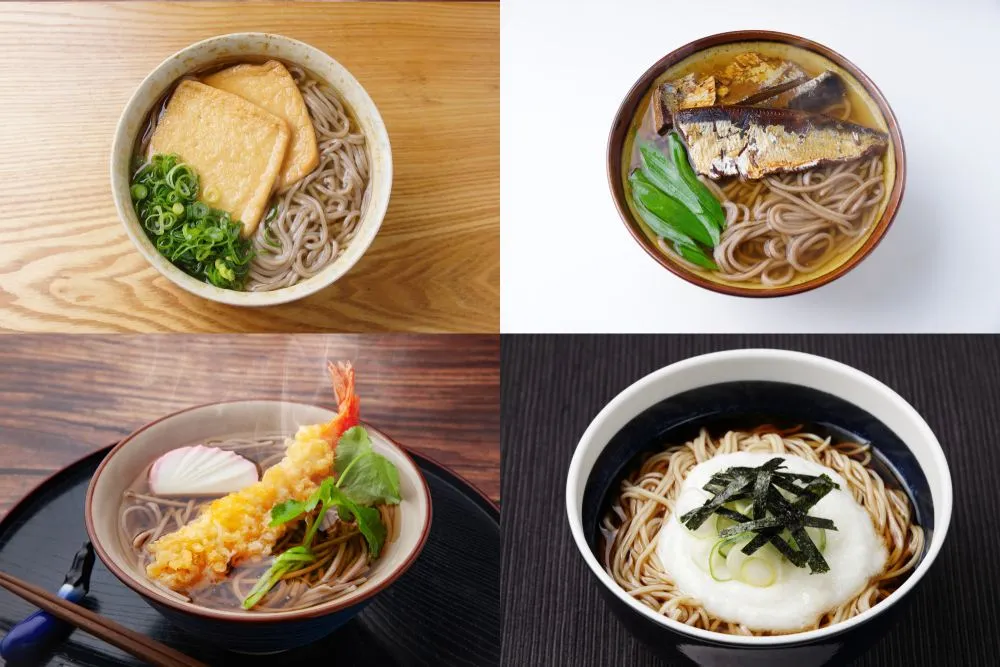
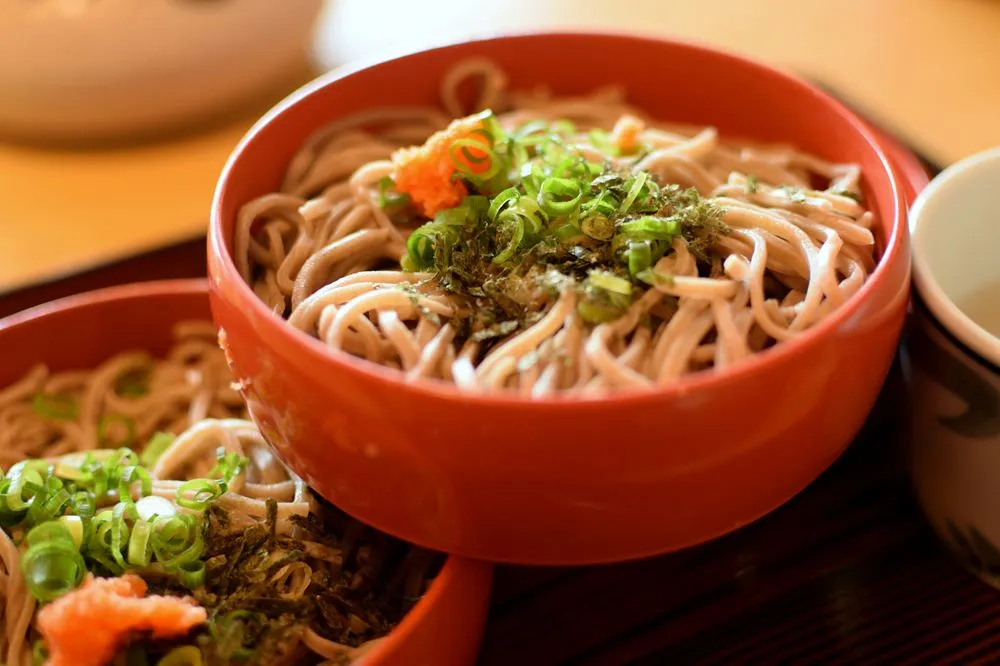
Soba served in hot broth is called kake soba. As it is a simple dish, adding toppings is a great way to enhance the flavor. Popular toppings vary by region. These include kitsune, seasoned fried tofu that soaks up the broth, and sweet-savory simmered herring known as nishin. Tempura and fluffy grated yam, called tororo, are also longtime favorites.
*What Is Toshikoshi Soba?
In Japan, there is a tradition of eating soba on New Year’s Eve (December 31). There are several theories about its origin. The long, thin shape of soba is said to symbolize longevity, while its tendency to break easily represents letting go of the hardships of the past year. This custom is still enjoyed by many people in Japan today.
Cold Soba
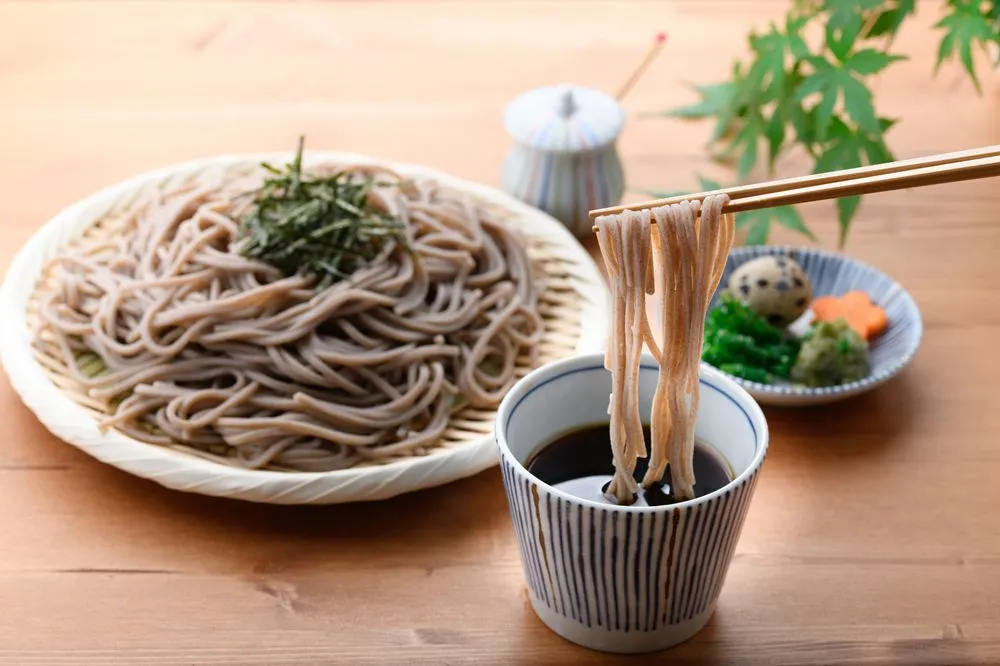
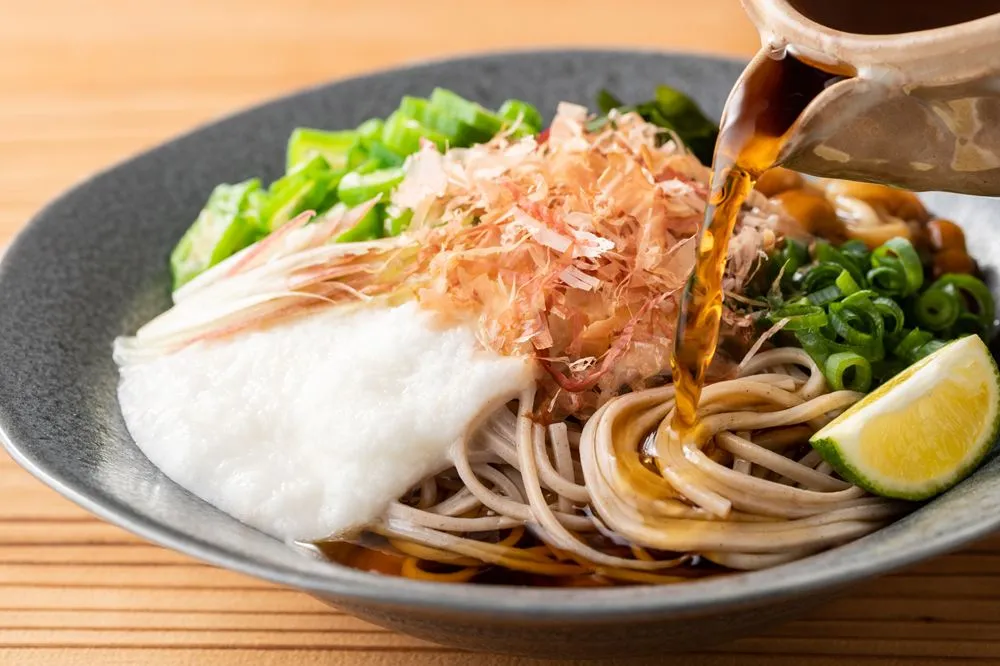
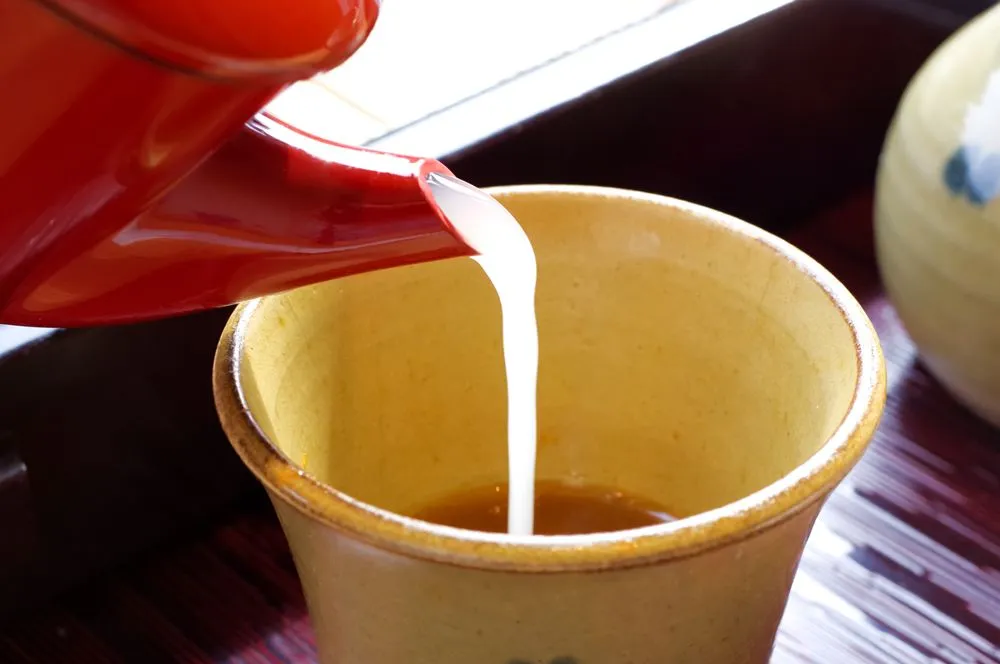
Cold soba, typically served with a soy sauce-based dipping sauce, is known as mori soba or zaru soba. The dipping sauce can be customized with condiments such as chopped green onions and wasabi. After finishing the noodles, it is also common to add sobayu, the hot water used to cook the soba, to the remaining sauce and drink it. Another style is bukkake soba, in which a slightly stronger-flavored sauce is poured directly over the noodles and mixed before eating.
*What Is Juwari Soba?
Nihachi soba, the most common type, is made with a ratio of 80% buckwheat flour and 20% wheat flour. In contrast, juwari soba is made from 100% buckwheat flour. This gives it a richer aroma and fuller flavor, and it is also popular among health-conscious people as a low-GI food.
Unique Regional Soba You Have to Try at Least Once
Across Japan, you’ll find a wide variety of distinctive soba unique to each region.
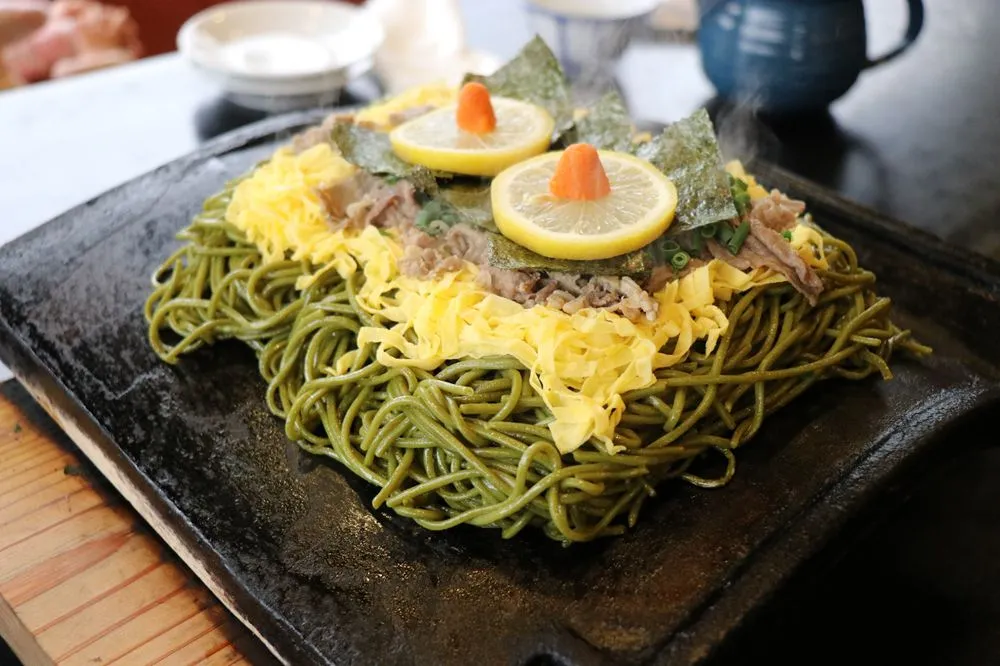
1. Kawara Soba (Yamaguchi Prefecture)
A visually striking dish served on a heated kawara roof tile. It features chasoba (green tea-infused soba noodles), topped with shredded egg and slices of beef.
2. Izumo Soba (Shimane Prefecture)
Made from whole buckwheat, including the husk, this soba is known for its dark color and rich, robust aroma. It is enjoyed in two main styles: cold wariko soba and hot kamaage soba.
3. Toji Soba (Nagano Prefecture)
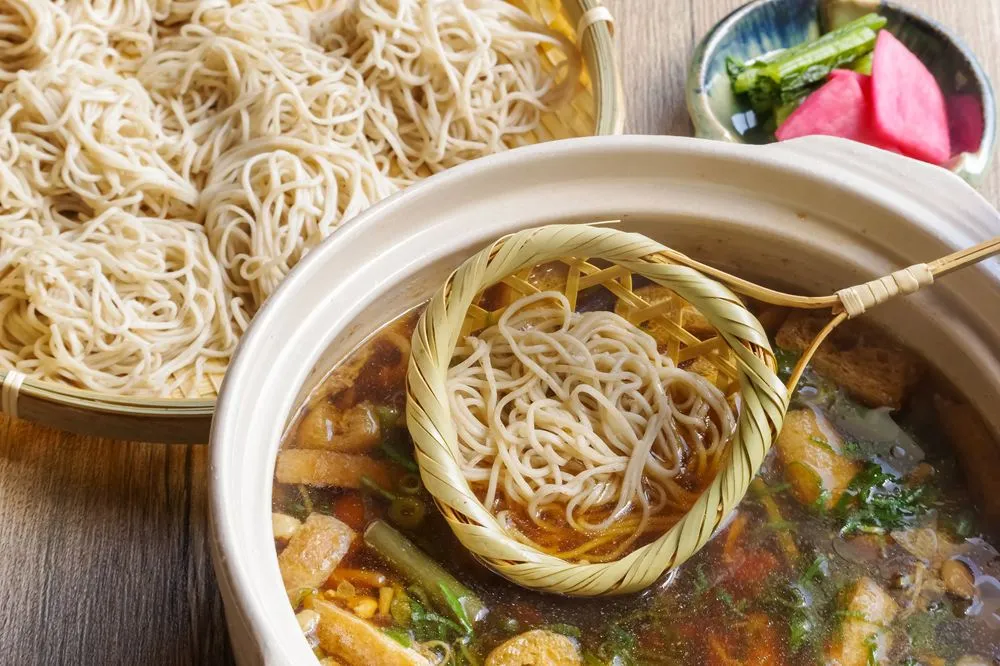
A local specialty in which soba noodles are placed in a small bamboo basket and briefly dipped into a hot pot filled with mountain vegetables and mushrooms to warm them before eating.
*White Soba and Dark Soba
Sarashina Soba:
Thin, white noodles made using only the inner part of the buckwheat grain. They are known for their delicate sweetness.
Inaka Soba:
Thicker, darker noodles made from whole buckwheat, including the husk. They offer a rich, robust buckwheat aroma.
Where to Experience Japanese Soba Culture: Sobadokoro Azumaya Ekimae Branch (Iwate Prefecture)
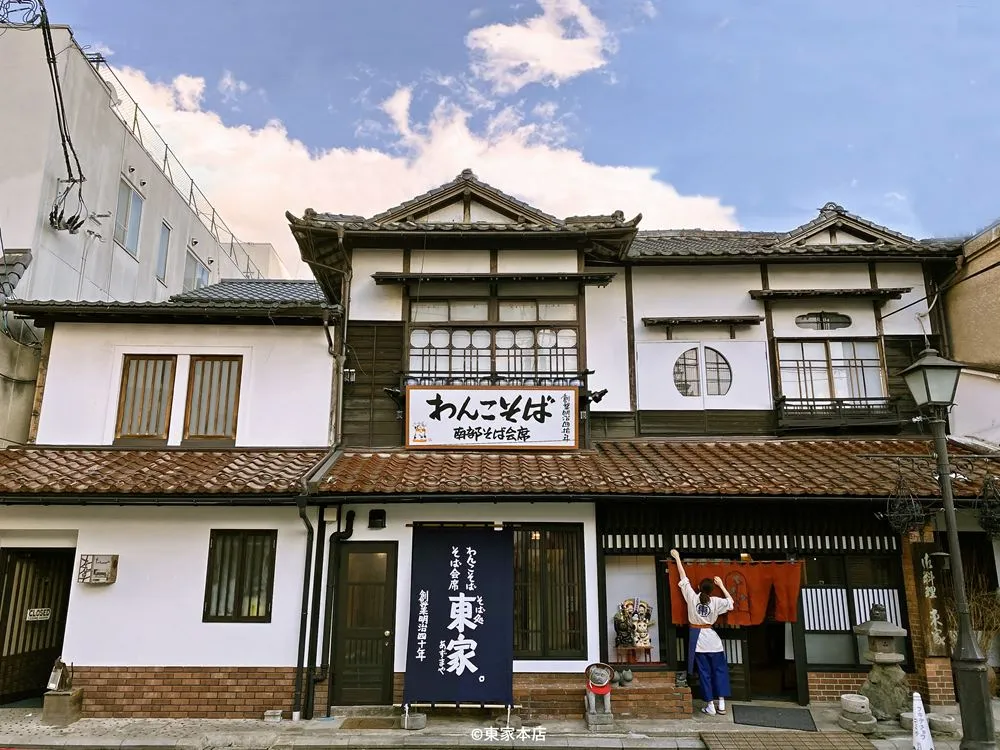
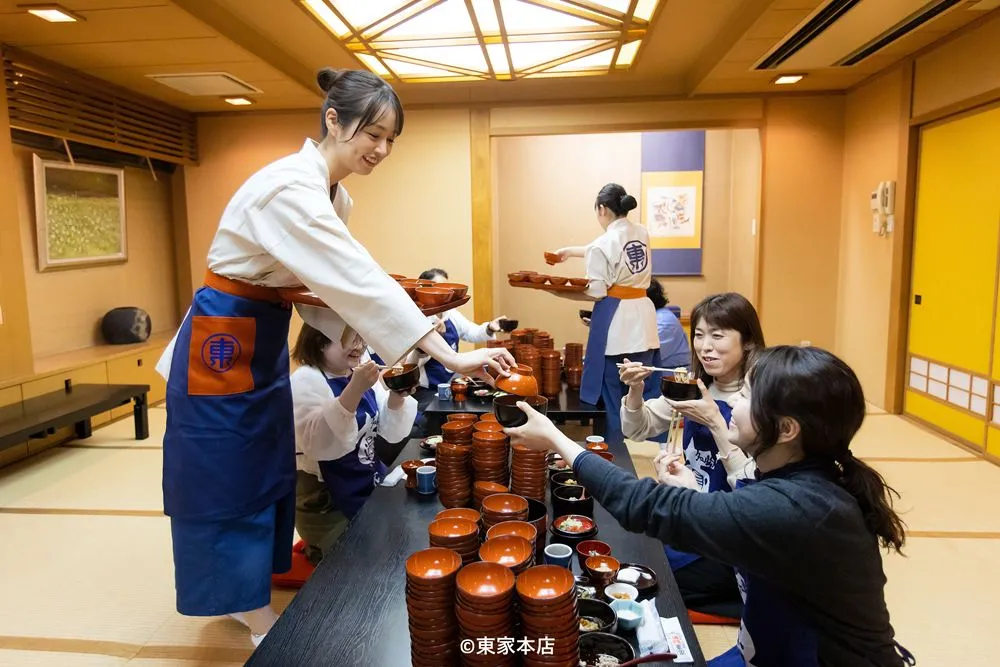
Wanko soba is considered one of Japan’s three major soba styles, alongside Togakushi soba and Izumo soba. The word “wanko” means “small bowl” in the local dialect. As you finish each bite-sized serving of soba, staff promptly refill your bowl with lively calls of encouragement. To enjoy this unique form of Iwate hospitality, visit the long-established Sobadokoro Azumaya Ekimae Branch, located in front of Morioka Station.
Details of the experience are available on the official English website.
*Price: From 4,500 yen
Access
Morioka Sta. → 1-min walk
Business hours
11:00–15:00 (last order), 17:00–19:00 (last order) (Wanko soba: last order at 18:30)
Where to Experience Japanese Soba Culture: Togakushi Soba Museum Tonkururin (Nagano Prefecture)
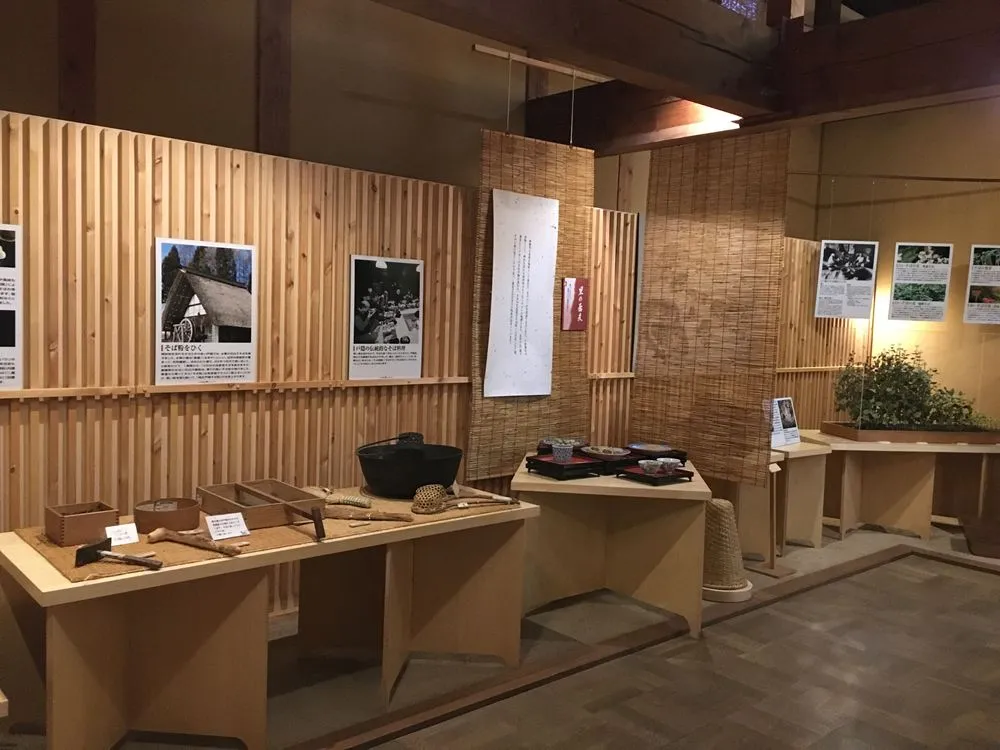
This facility offers hands-on soba-making experiences. After making your own soba, you can enjoy it on the spot, served in the traditional zaru soba style. The museum also features exhibition rooms where you can learn about the culture of Togakushi soba, as well as a restaurant. During the winter closure period, soba-making experiences are held at an alternative venue for a limited time.
*Price: From 3,000 yen
Reservations: Priority given to reservations; please book via the official website
Access
1 hr by bus
Business hours
10:00–16:00 (experience reception: 10:00–14:00)
Regular holiday
Wednesdays; Tuesdays and Wednesdays in June and September (Closed in winter: December to mid-April)
att.JAPAN consists of members in their 20s and 30s, and we are all travel lovers. In addition to information about sightseeing and great dishes all over Japan, we offer a wide range of information about various subjects/topics, such as onsen (hot spring) and ryokan hotels. We introduce lots of information only att.JAPAN can offer, including information about famous sightseeing spots, the latest news about new facilities all over Japan and rare less-known areas in Tokyo, one-day model walking courses, and anime pilgrimages. We also offer contents to introduce Japan from the view of writers from abroad.
 *Price: From 4,500 yen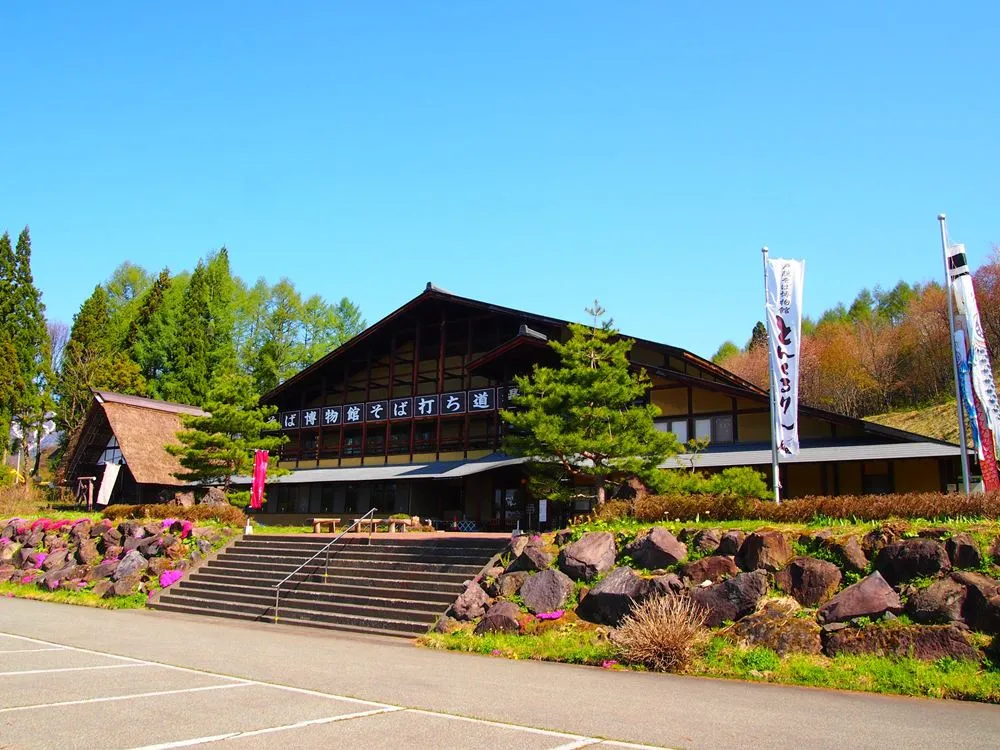
_R.webp)