Summer in Japan is known for its heat and humidity. Rather than simply enduring the season, however, people have long developed ways to stay cool by engaging the five senses. This approach, known as noryo (summer cooling), reflects a uniquely Japanese way of appreciating summer. Here, we introduce some of the distinctive ways to enjoy the season that have emerged from Japan’s climate.🪭
Ways to Stay Cool
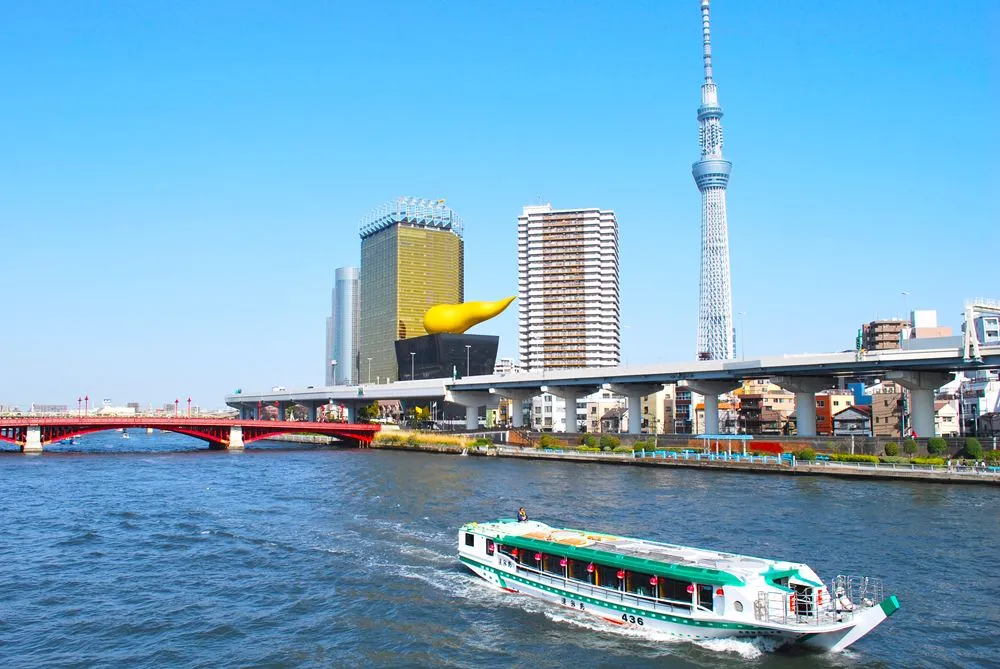
┃Yakatabune: Cooling Off on the Water🛥️
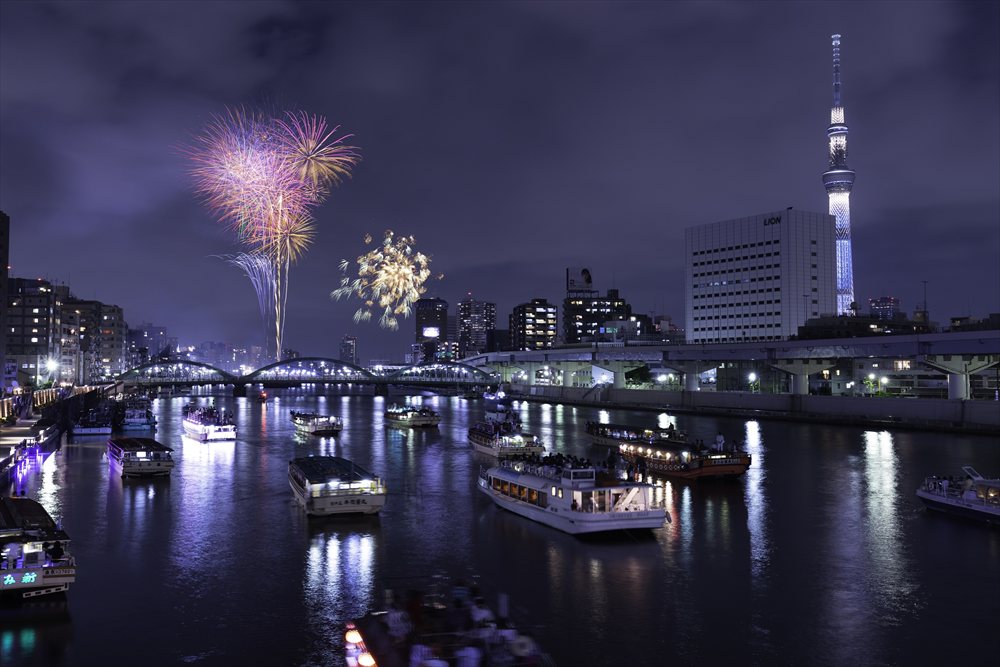
Yakatabune are traditional leisure boats that became popular among common people during the Edo period (1603–1868). On hot summer days, people would take to the rivers to cool off, enjoying meals and fireworks while feeling the refreshing breeze. This elegant cultural tradition continues to this day. In Tokyo, cruises along the Sumida River and around Odaiba are especially popular.
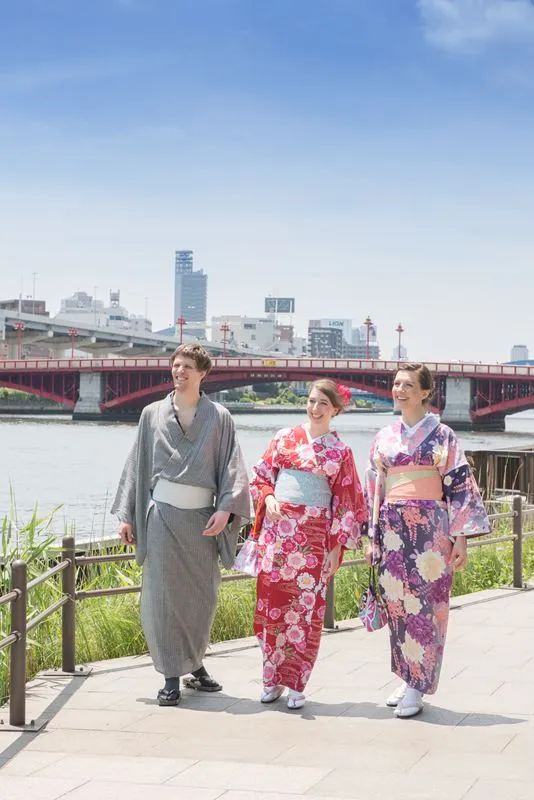
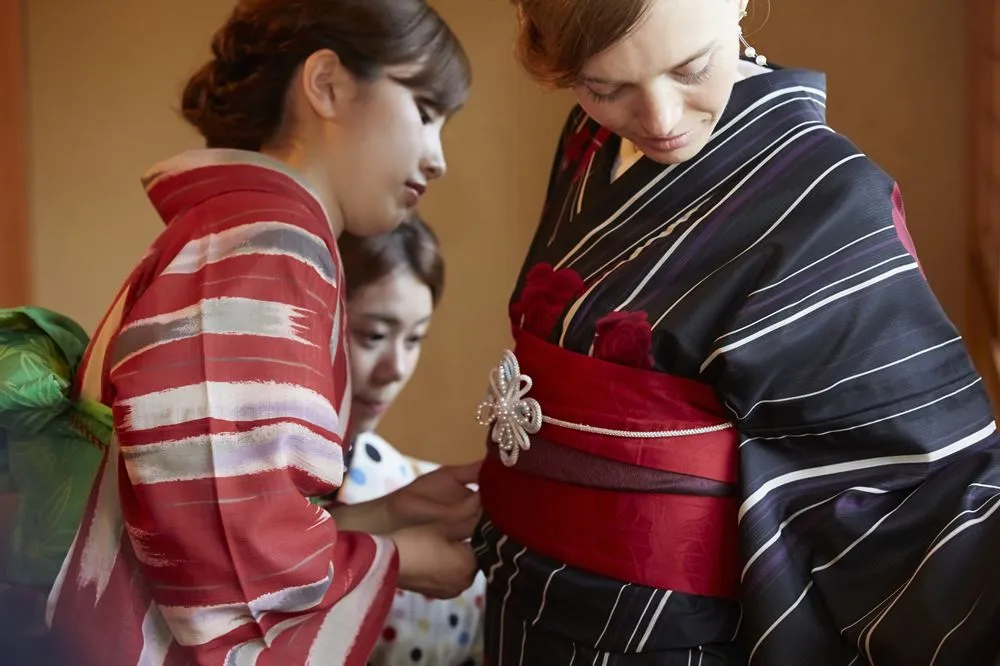
┃Yukata: Staying Cool in Style👘
Yukata is a lightweight summer kimono made from cotton or linen. Its breathable fabric and refreshing appearance make it ideal for strolling through the city during Japan’s hot summer. Today, it is also a popular seasonal fashion choice for fireworks festivals and summer events. Many kimono rental shops across Japan offer yukata, making it easy for visitors to experience wearing one as part of their trip.
┃Fireworks Festivals🎆
When it comes to summer events in Japan, fireworks festivals are a must. For information on some of the most famous festivals, please also see p. xx.🎆🍧
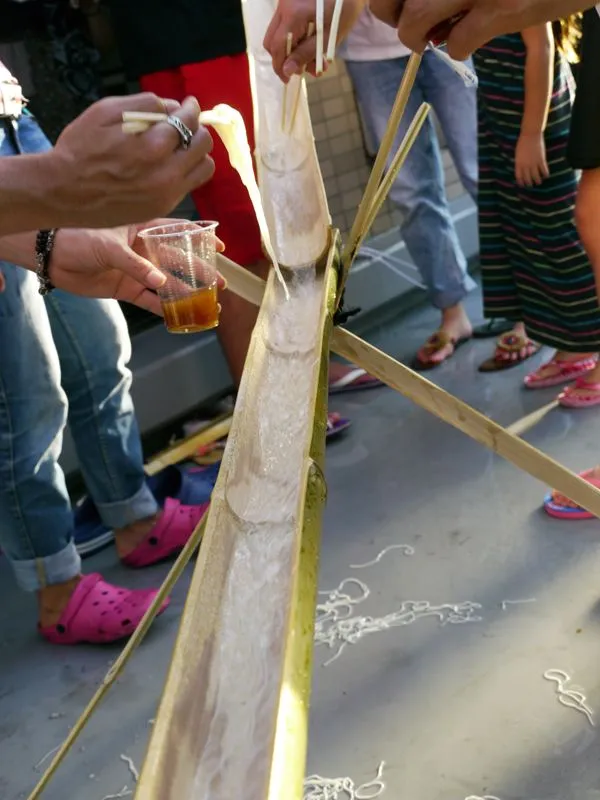
Nagashi somen is a unique summer tradition in which thin wheat noodles are carried along a stream of cold water through split bamboo flumes. Diners catch the flowing noodles with chopsticks and enjoy them on the spot. It is said to have originated from the custom of eating chilled somen outdoors during breaks from farm work in the summer.
🔷Enjoy Nagashi Somen Here! — Azumaan (Fukushima Prefecture)🔷
Enjoy nagashi somen while watching a waterfall right in front of you. The set meals, including tempura, are also excellent. If you visit without a reservation, payment is cash only, so making an advance reservation with online payment is recommended for convenience.
Access: JR Fukushima Sta. → 🚕25 min by taxi
Hours: 10:00–16:00
Closed: No fixed holidays (closed during winter season)
)
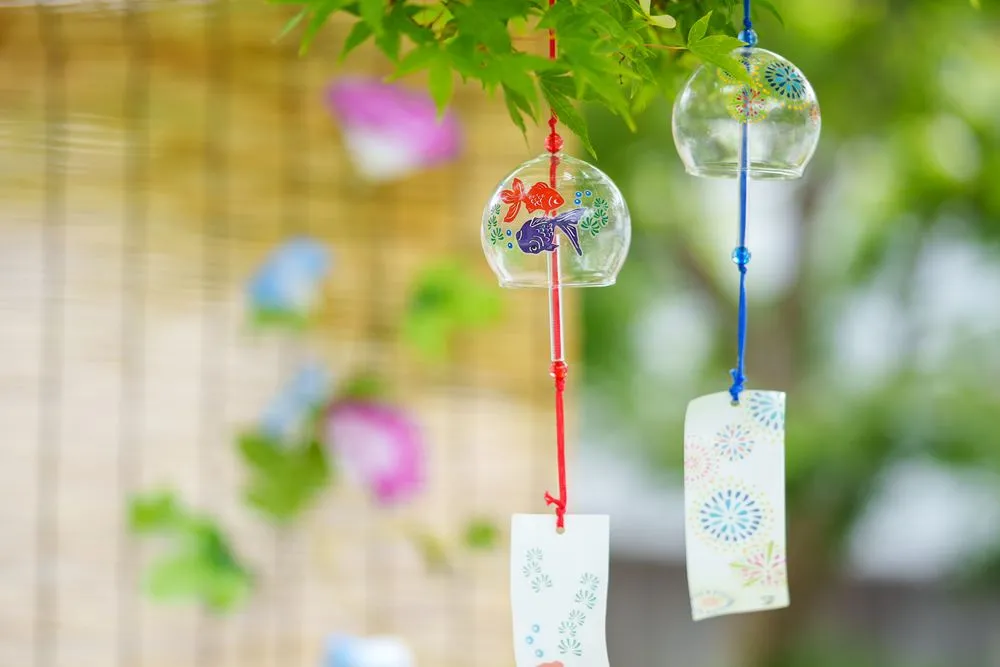
┃Wind Chimes: Cooling Through Sound🎐
Wind chimes produce delicate, soothing sounds as they sway in the breeze. During the Edo period, they began to be made of glass, and the custom of appreciating their gentle tones became widespread. In a time before air conditioning, people found relief from the summer heat by listening to these sounds and imagining the cool breeze.
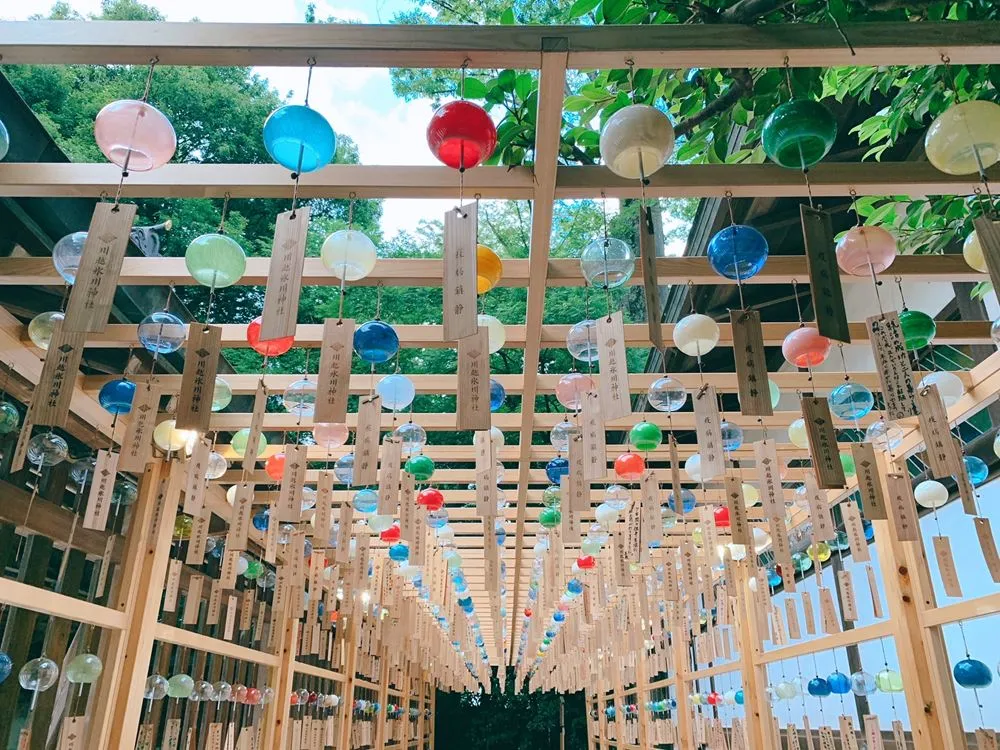
🔶Enjoy Wind Chimes Here! — Kawagoe Hikawa Shrine (Saitama Prefecture)🔶
2During the “Enmusubi Furin” event, held from June 27 to September 6, 2026, more than 2,000 Edo-style wind chimes decorate the shrine grounds. The area is also beautifully illuminated at night.
Kawagoe Sta. (JR, Tobu) or Hon-Kawagoe Sta. (Seibu) → 🚌10 min by Tobu Bus → Kawagoe Hikawa Shrine stop → 1 min walk
┃✍️Column✍️
In Japan, there is a long-standing tradition of enjoying ghost stories and horror films during the summer. If you’d like to experience it for yourself, visiting an obakeyashiki (haunted house) at an amusement park is a great option. A spine-chilling experience unique to Japan awaits.👻
I am Sana, born in Tokyo. I love travelling, dancing, drinking, very spicy food, sauna, thrill rides at amusement parks, camera, and monozukuri(handcraft), which tells me that I am curious about many things. There are more than 1,500 spots/places on my travel bucket list. I am going to provide information while enjoying myself!