Surrounded by the sea on three sides, Yamaguchi Prefecture is blessed with abundant nature, fresh seafood, renowned hot springs, and a rich history and culture. Discover the breathtaking scenery and centuries of history offered by one of Japan’s hidden gems.
Stunning Scenery in Yamaguchi
Spectacular Coastal Scenery
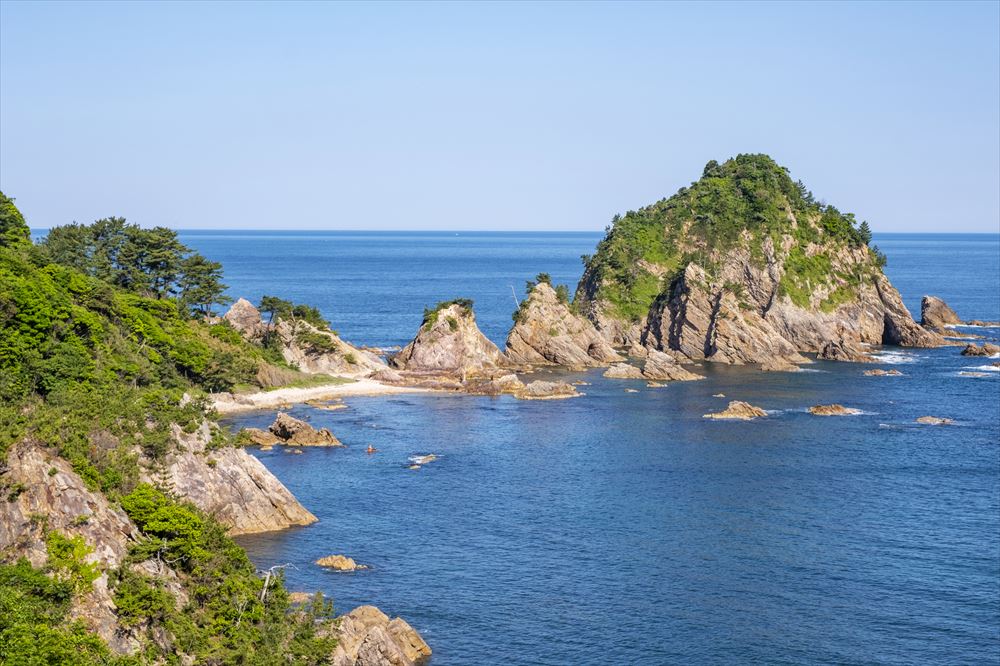
Yamaguchi Prefecture is dotted with beautiful coastal scenery that invites visitors to stop and take it all in.
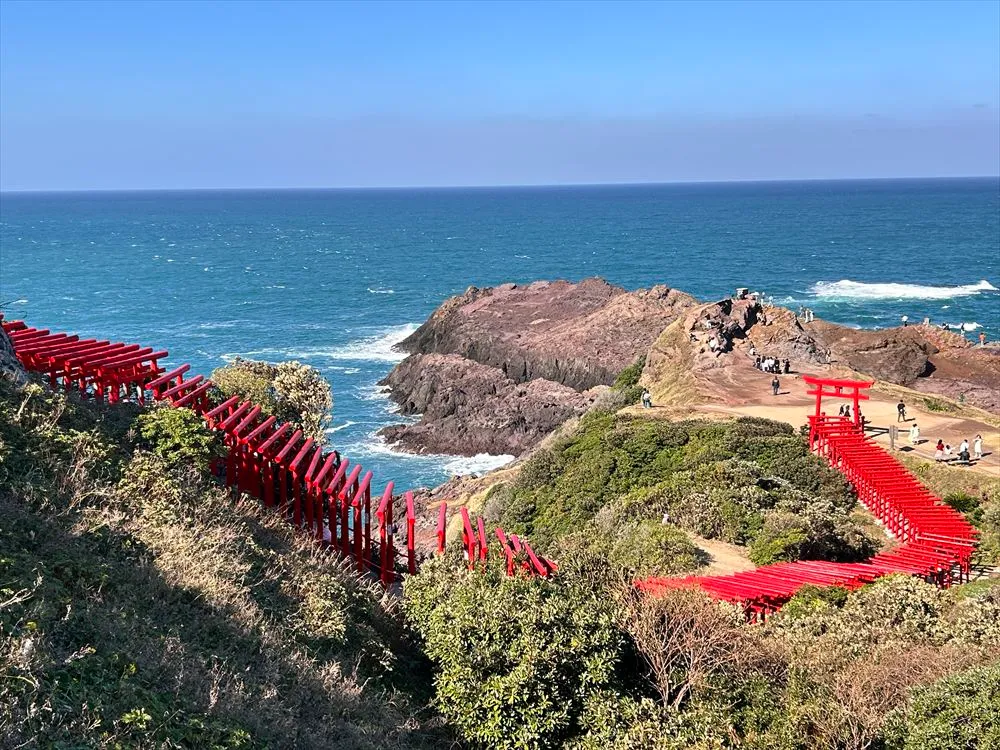
At Motonosumi Shrine, 123 red torii gates stretch toward the Sea of Japan. The striking contrast of the red gates, blue sea, and green landscape creates one of Yamaguchi’s most iconic views.
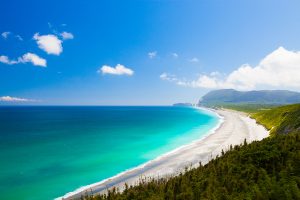
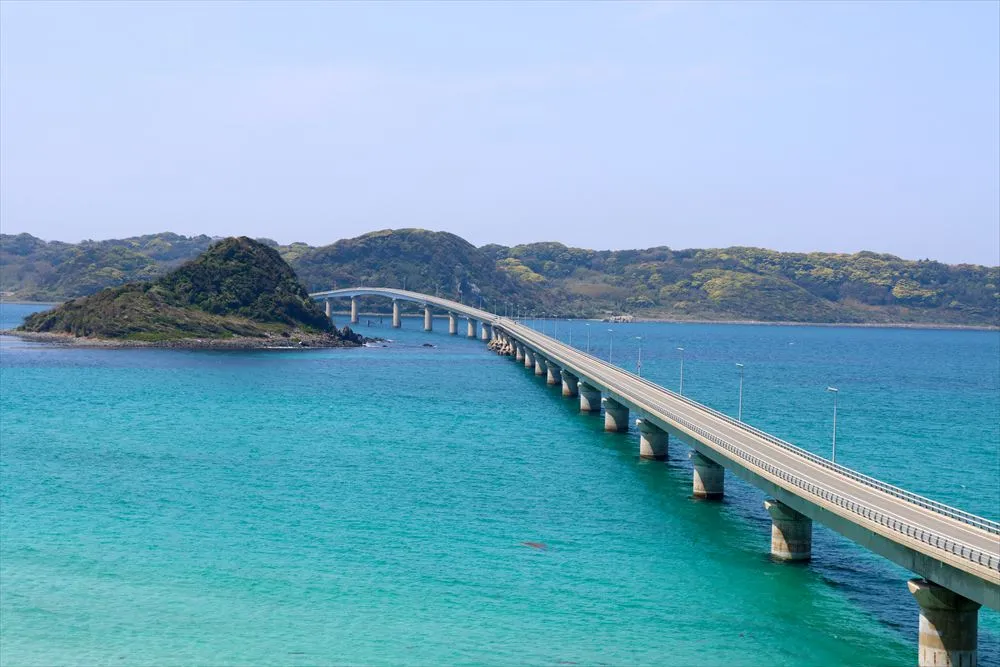
The 1,780-meter-long Tsunoshima Bridge is a popular destination that has appeared in television commercials and films. Stretching across emerald-blue waters beside white sandy beaches, it creates an almost tropical scene.
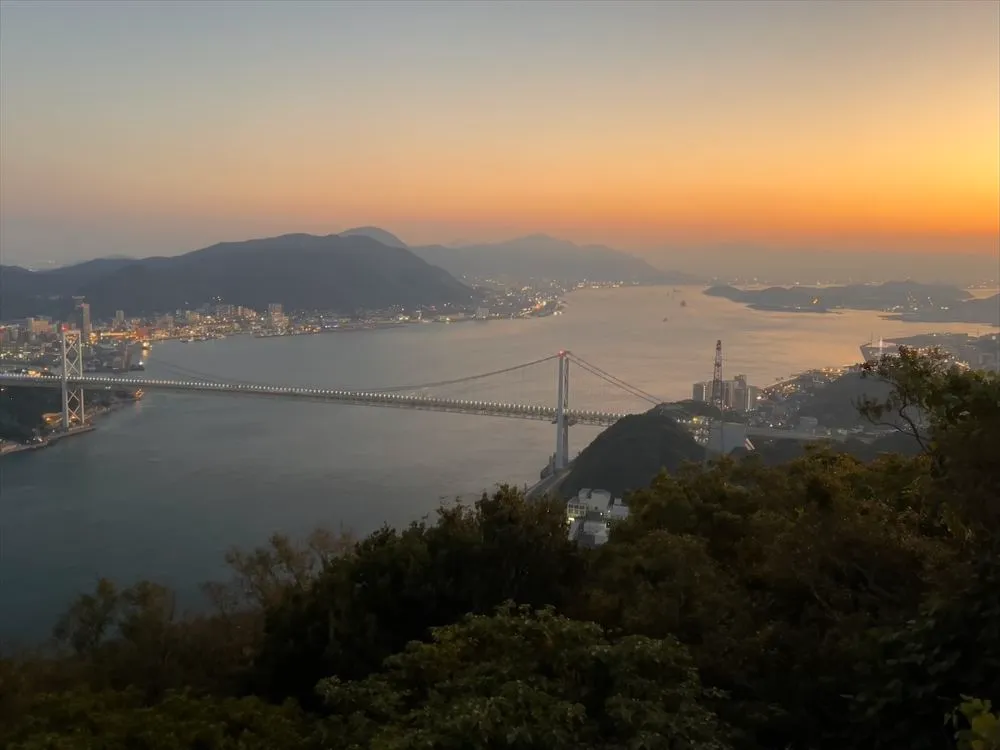
The Kanmon Strait, which separates Honshu and Kyushu, has witnessed many key moments in Japanese history. It was the site of the final battle between the Genji and Heike clans in the 12th century, and in the 19th century, it became one of the key settings of the Meiji Restoration, which marked the beginning of modern Japan. Views of Kanmon Bridge are impressive by day and equally captivating after dark.
Unique Landscapes
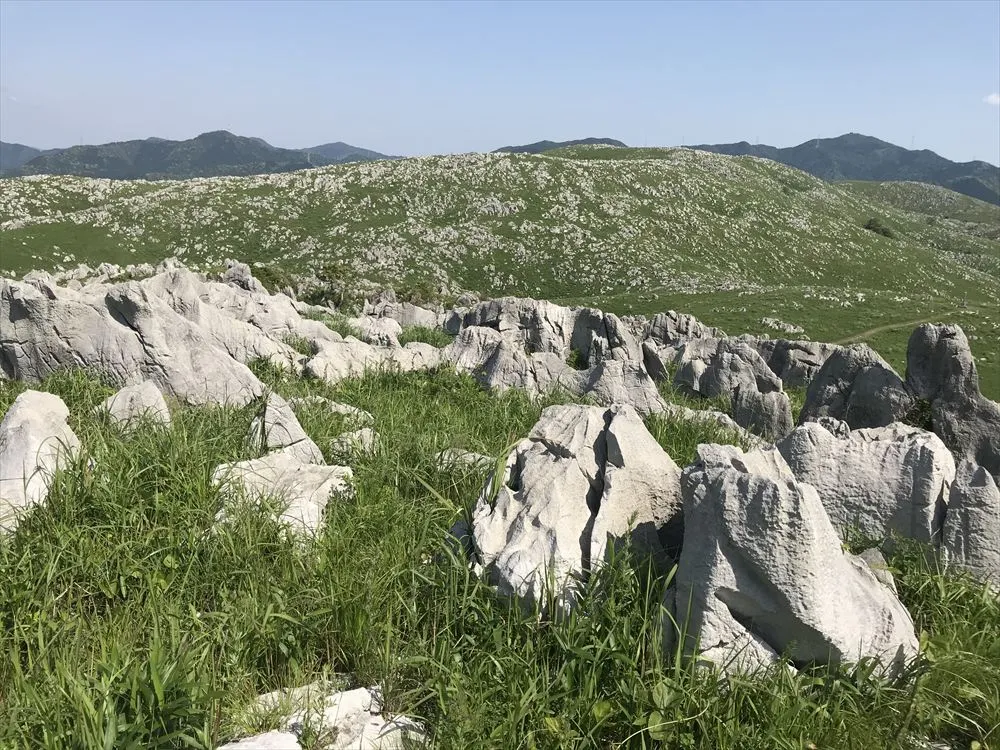
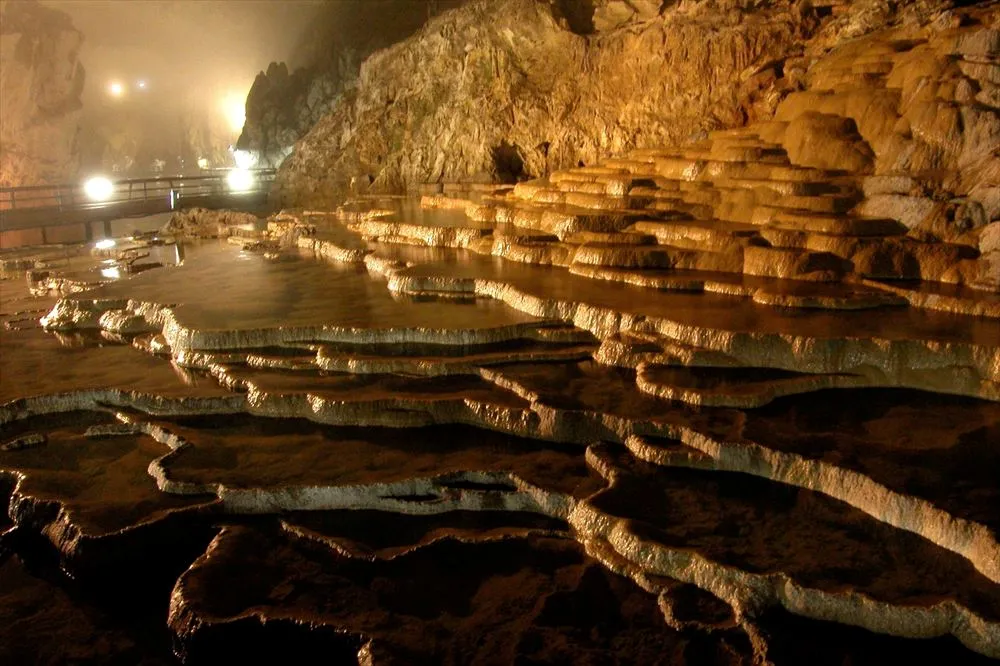
Akiyoshidai and Akiyoshido form a scenic natural area featuring one of Japan’s largest karst plateaus and a limestone cave designated as a Special Natural Monument. In addition to scenic drives and trekking, visitors can enjoy Segway tours, tuk-tuk rides, cycling, and guided geo tours available in Japanese, English, and Korean.
The standard sightseeing route through Akiyoshido Cave is approximately 1 kilometer long and takes about one hour for a round trip.
Strolling and Coffee | Yamaguchi City
Selected by The New York Times as one of the “52 Places to Go in 2024,” Yamaguchi City flourished as the seat of the Ouchi clan from the mid-14th century. Influenced by the culture of Kyoto and the Asian continent, it became known as the “Kyoto of the West.”
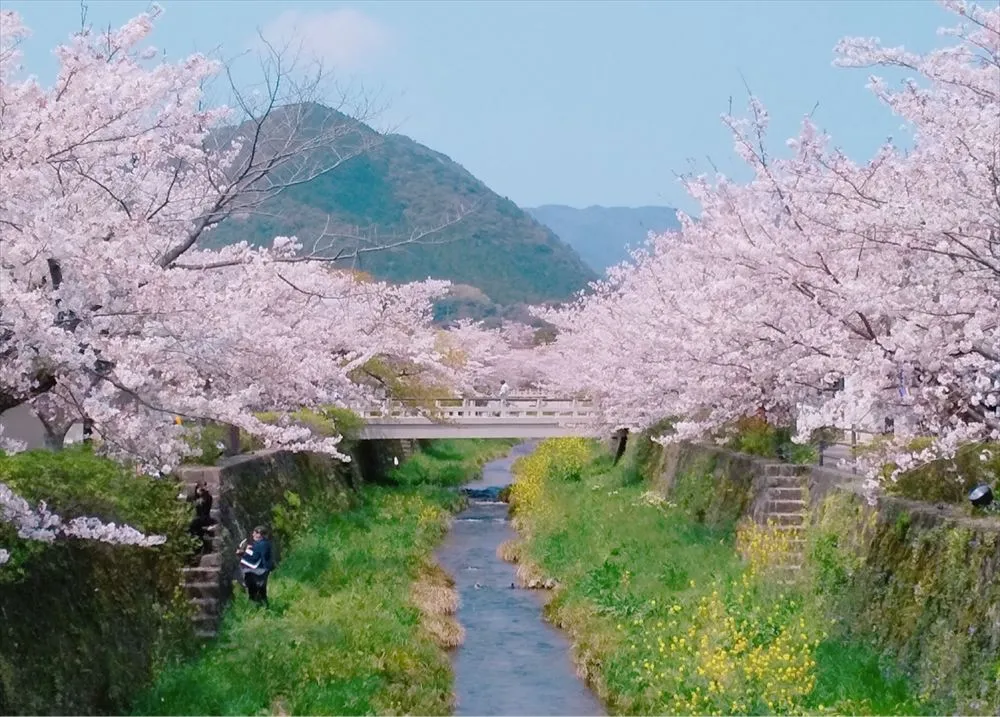
The city was modeled after Kyoto, with the Ichinosaka River inspired by the Kamo River. In spring, cherry blossoms line the riverbanks, while Genji fireflies illuminate summer evenings. Cafés and restaurants are scattered along the river, making it the perfect place for a leisurely stroll.
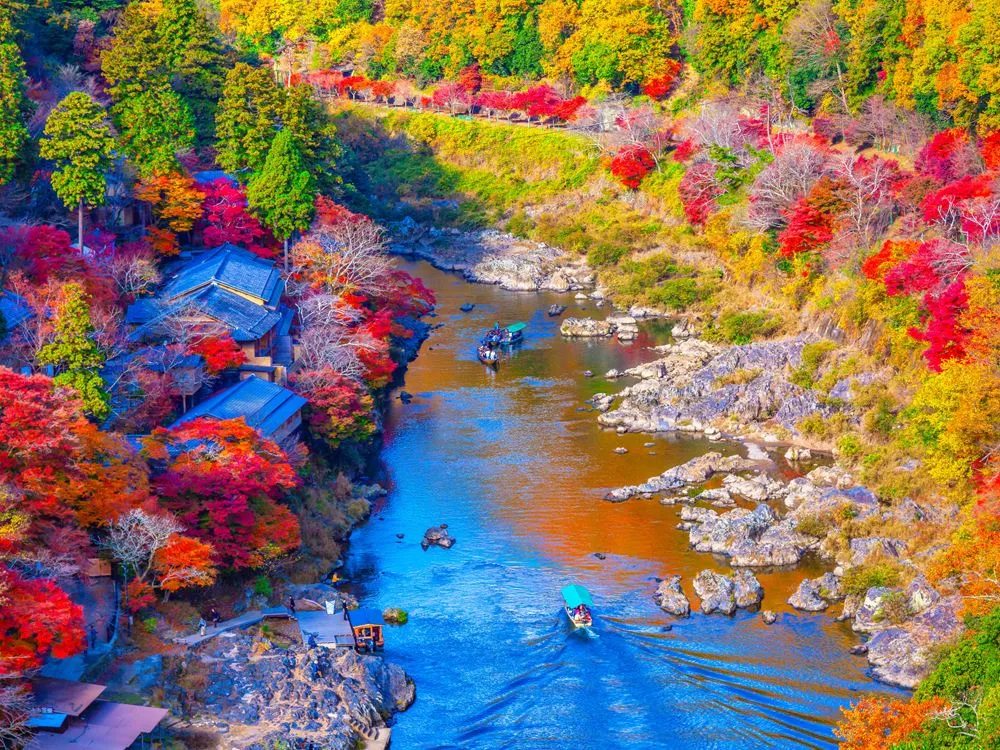
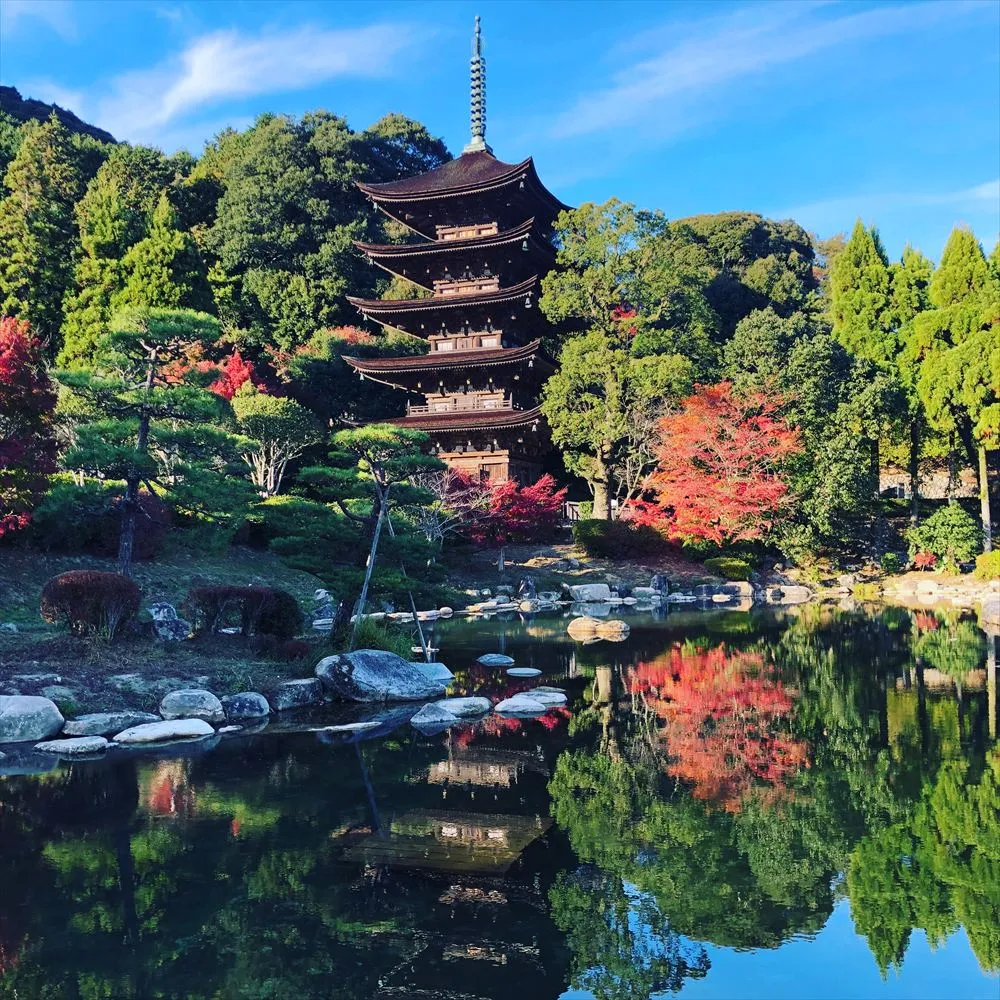
The National Treasure Rurikoji Temple Five-Story Pagoda, reopened after its first major restoration in 70 years, is regarded as one of Japan’s finest five-story pagodas. It is also famous for its autumn foliage, and its reflection in the pond is not to be missed.
Coffee Break
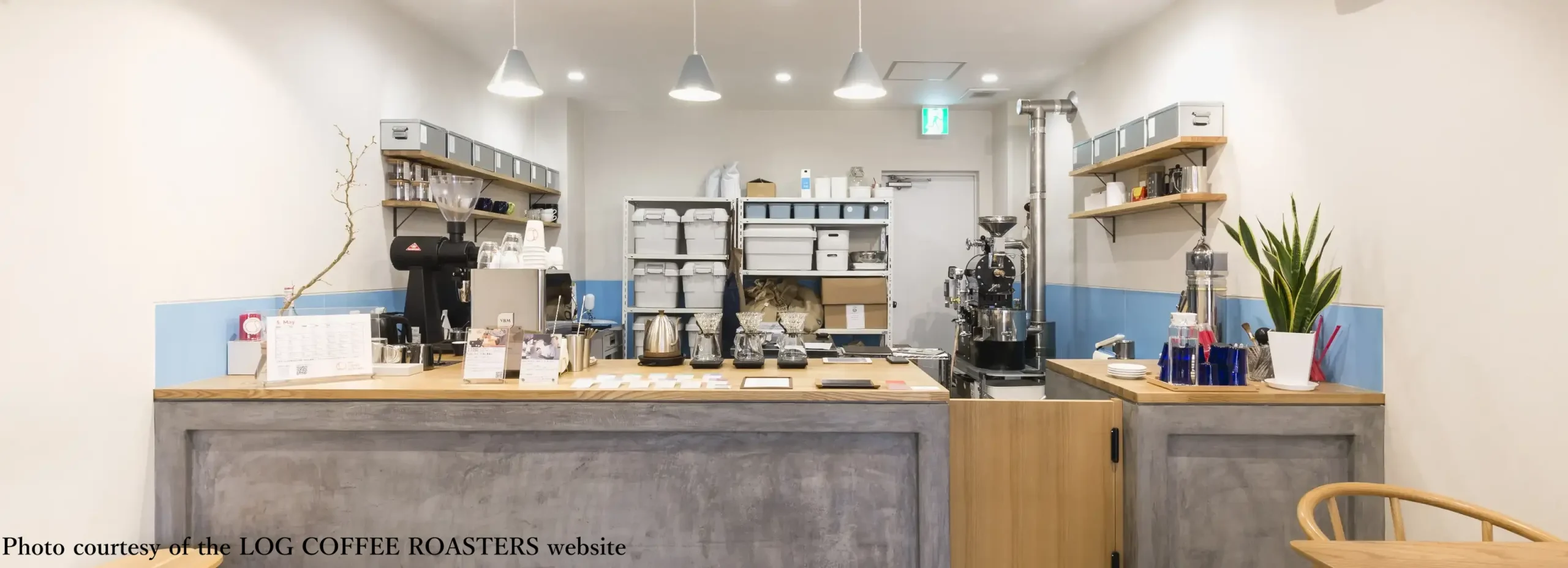
The New York Times highlighted Yamaguchi City for its “chic coffee shops.” The city is home to distinctive cafés such as LOG COFFEE ROASTERS, COFFEEBOY Yamaguchi, and Haraguchi Coffee. Take a break from sightseeing and enjoy a cup of coffee.
Architectural Beauty and Sake | Iwakuni
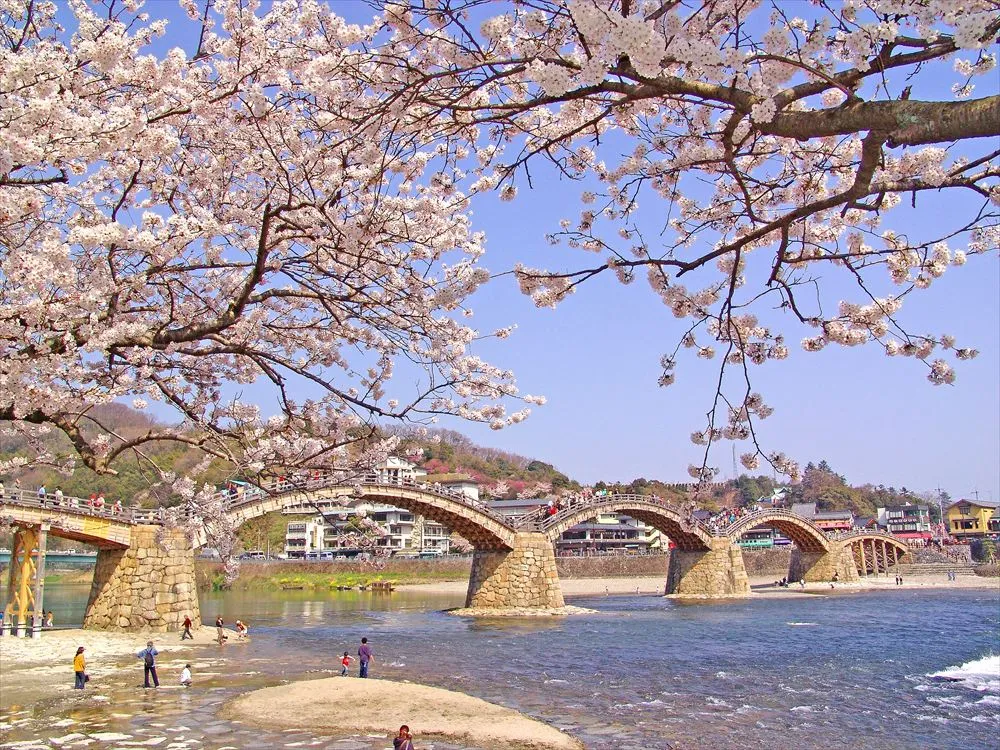
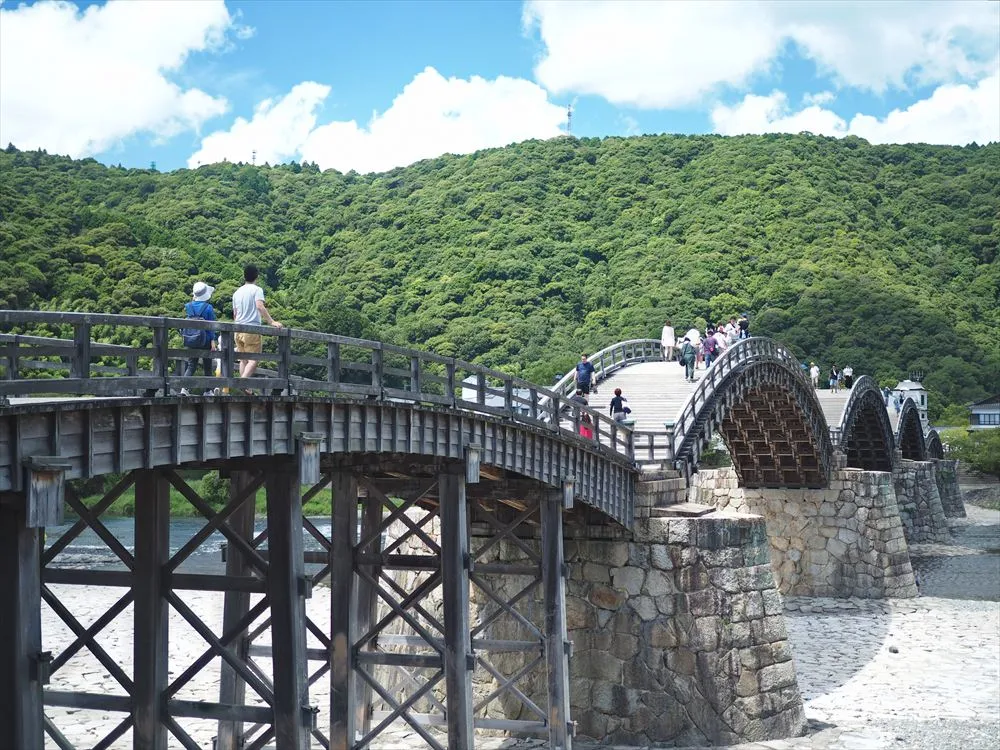
Kintaikyo Bridge, one of Japan’s three most famous bridges, is a wooden five-arch bridge stretching approximately 200 meters. Built in 1673, it is renowned for its ingenious wooden construction and elegant design. Seasonal illuminations throughout the year add to its charm.
Honke Matsugane, the Iwakuni Tourist Information Center, is housed in a beautifully restored 19th-century merchant house. For a fee, visitors can sample local sake and regional specialties, including Iwakuni lotus root and uiro cake made with Ganne chestnuts, one of Japan’s largest chestnut varieties. Renting a kimono and strolling around the historic town is also highly recommended.
Sake Breweries
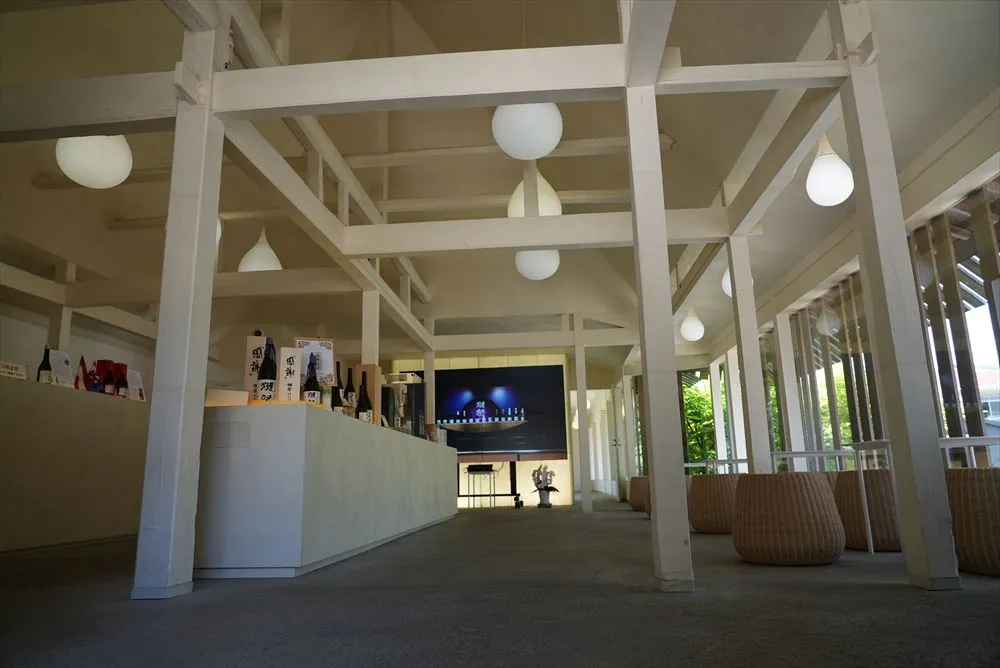
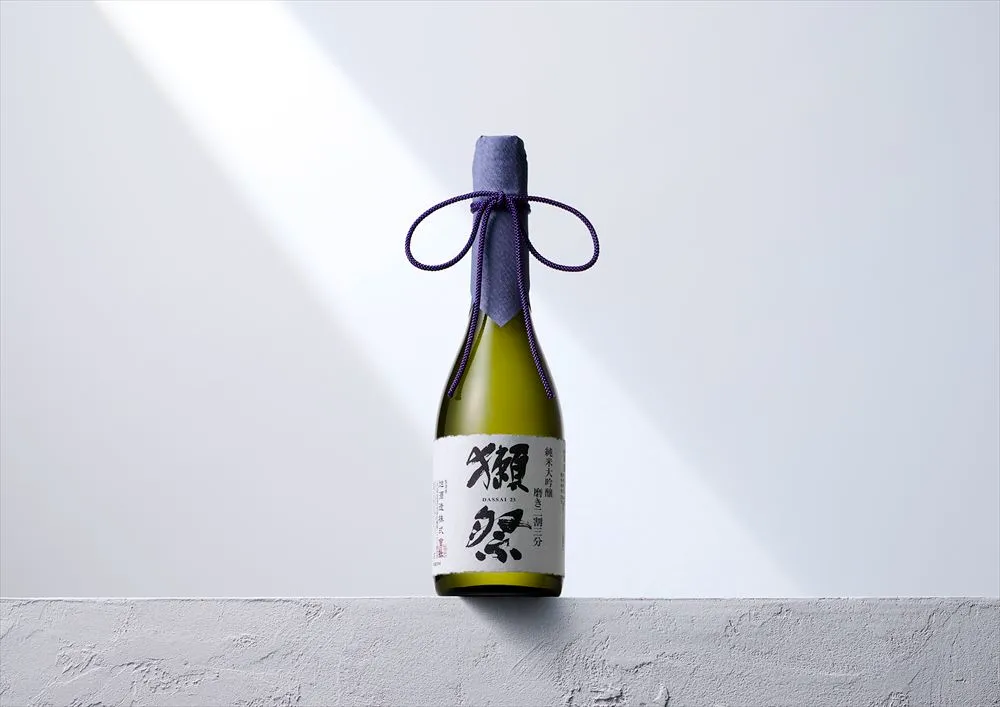
The Dassai Store at the brewery behind the renowned Dassai sake is a striking wooden building designed by world-famous architect Kuma Kengo. Visitors can browse a wide selection of Dassai products and exclusive merchandise, and don’t miss the popular Dassai soft-serve ice cream. Brewery tours are also available with advance reservations.
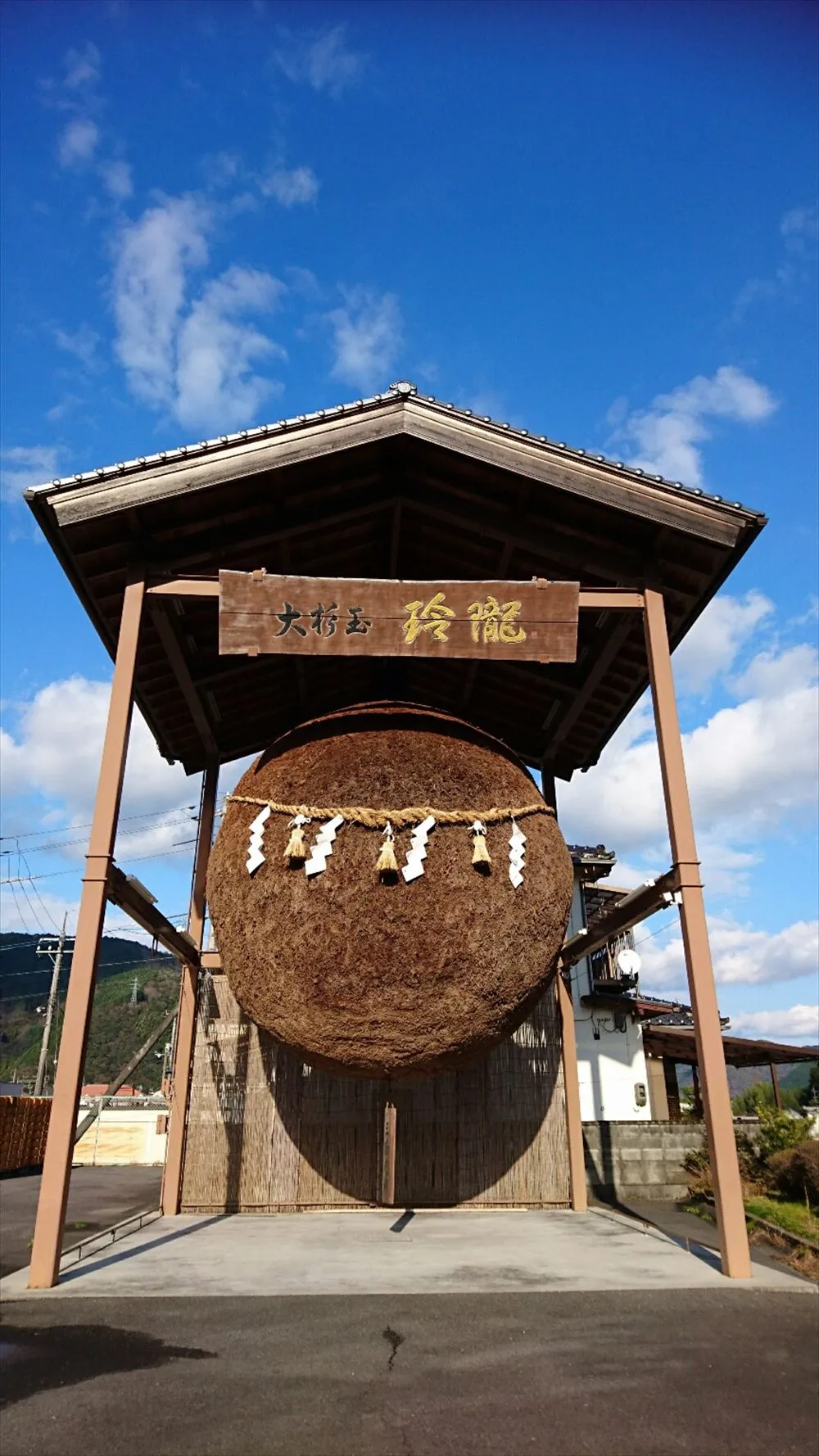
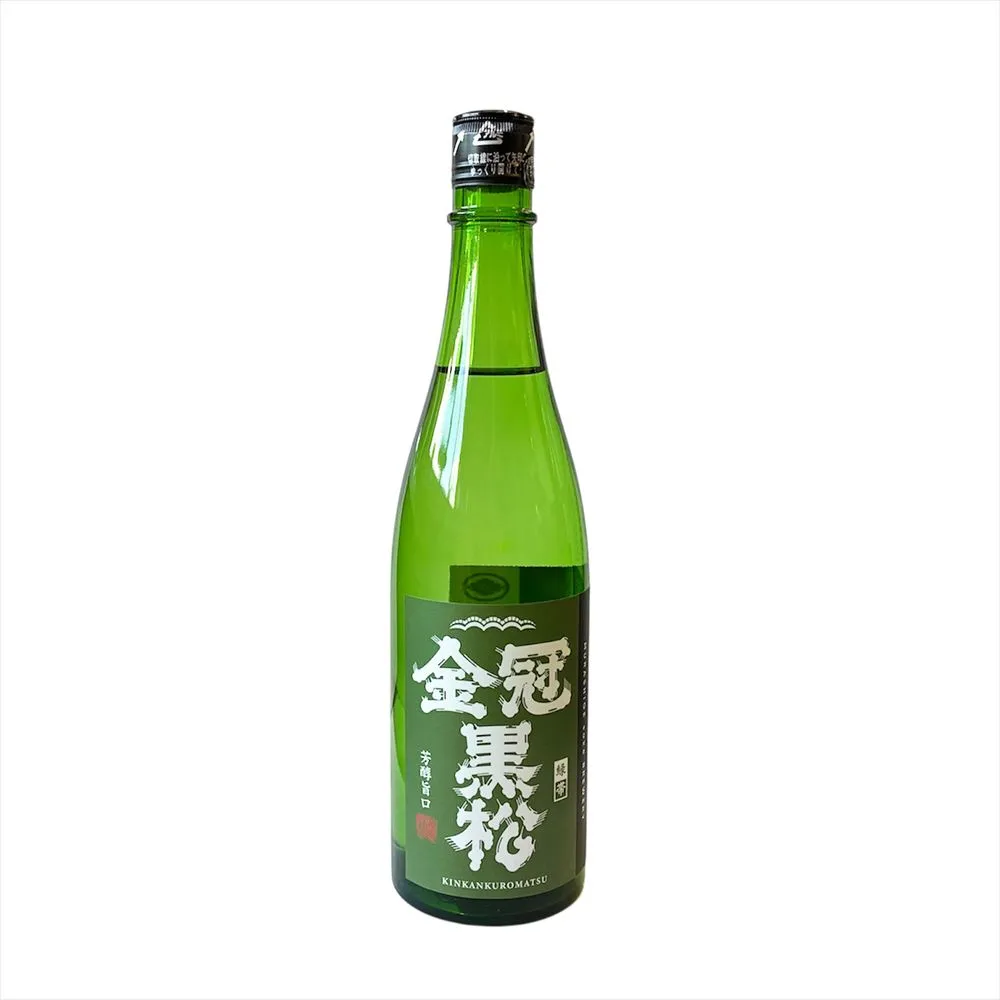
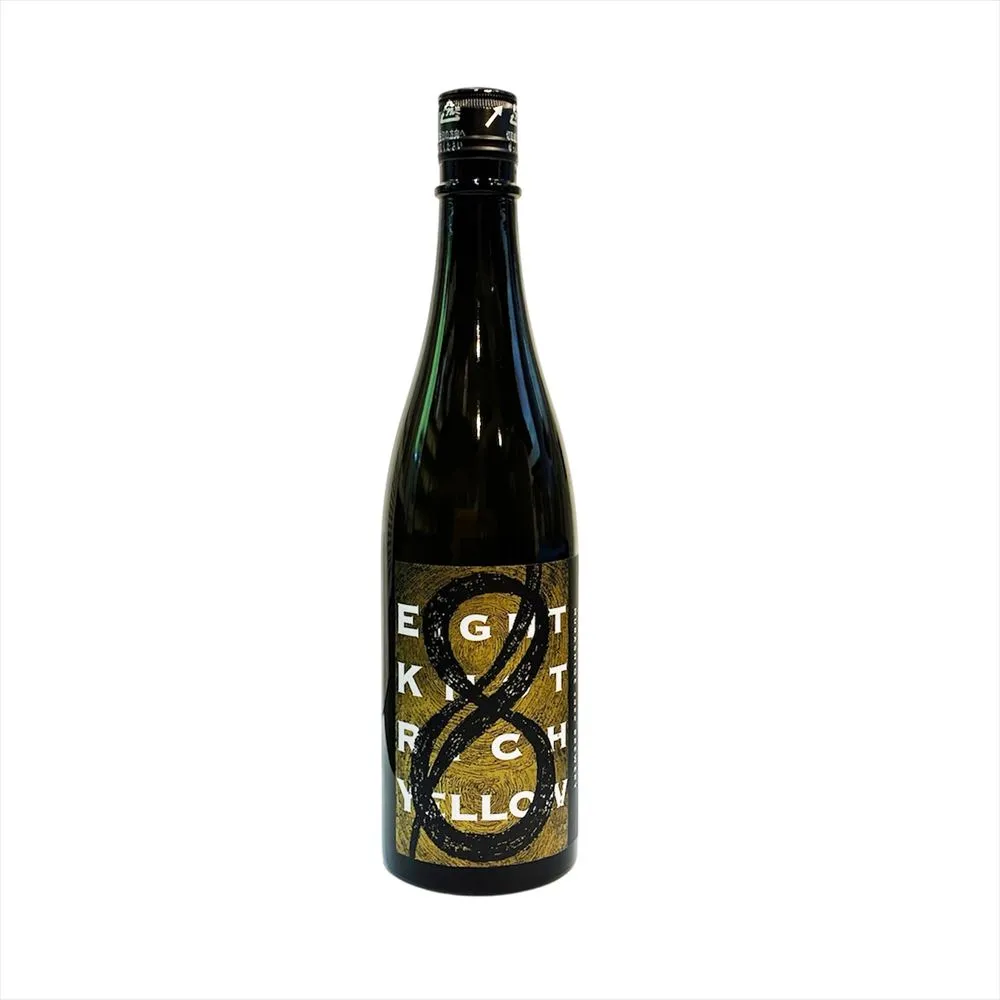
At Murashige Shuzo, located upstream along the Nishiki River, visitors can also enjoy paid sake tastings.
Hagi
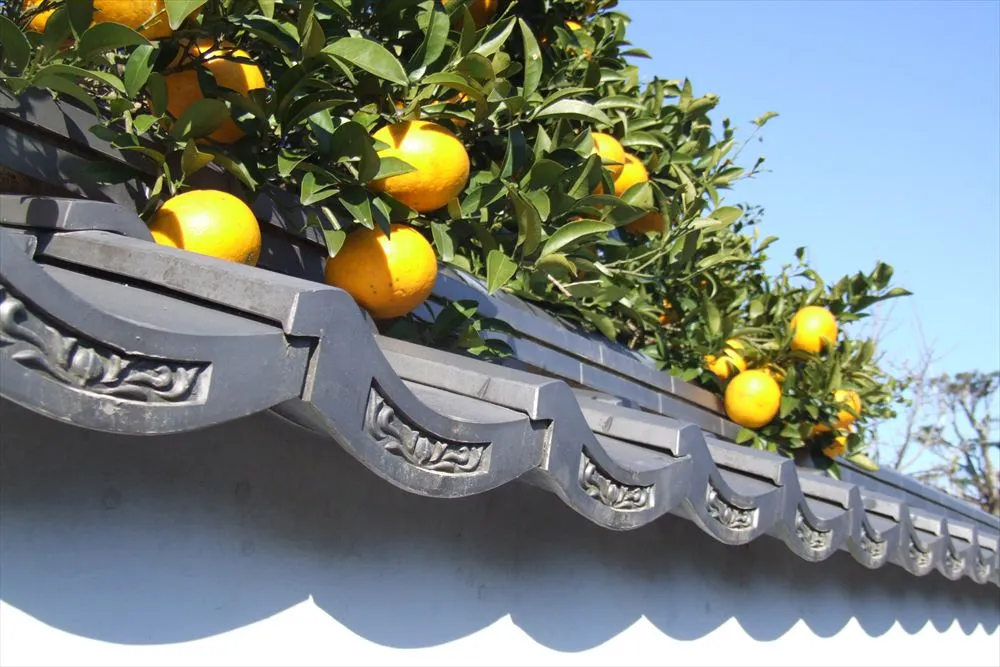
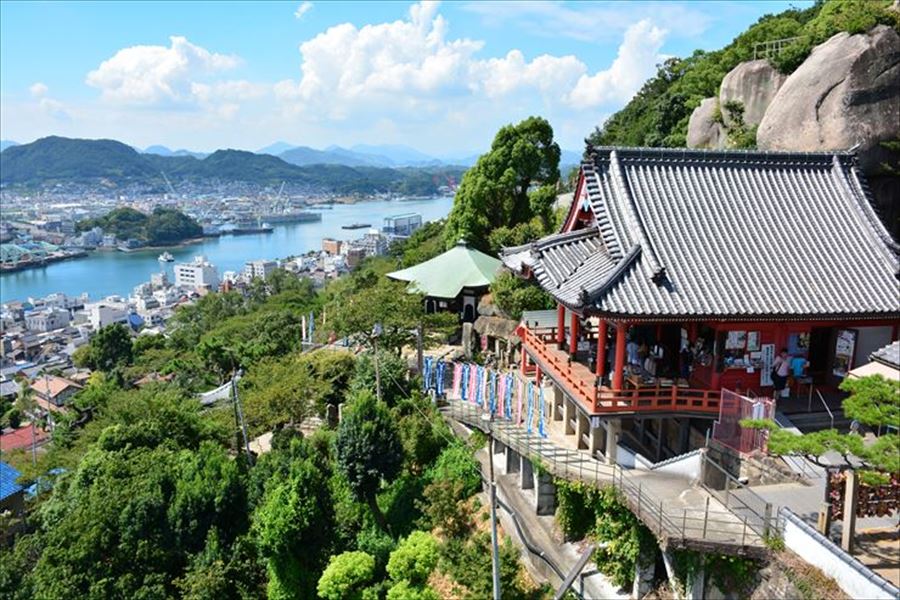
Hagi preserves the atmosphere of a historic castle town, with former samurai residences, streets lined with white plaster and namako walls, earthen walls topped with summer oranges, and distinctive kaimagari lanes with sharp right-angle turns once designed for defense. Visitors can enjoy strolling through sites associated with leading figures of the Meiji Restoration in the late 19th century, stopping at cafés in renovated traditional houses, and browsing shops selling Hagi Yaki pottery.
Hofu
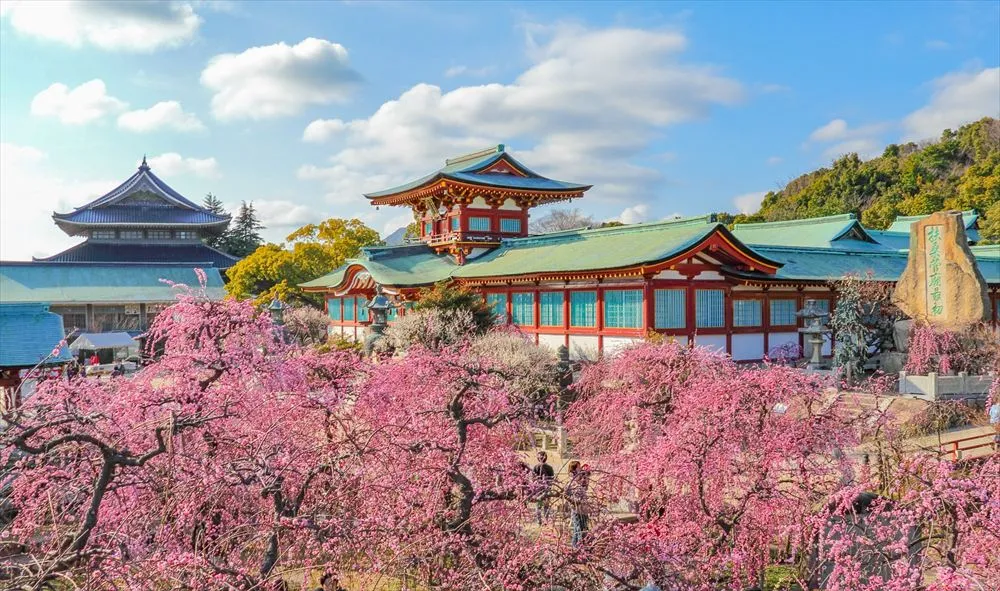
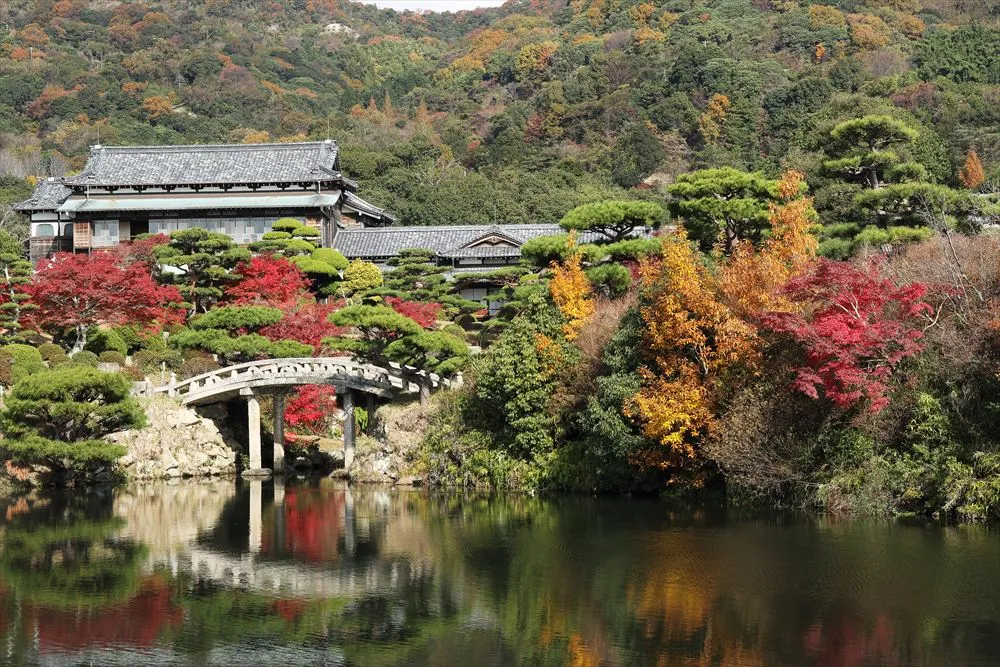
Hofu Tenmangu Shrine is one of Japan’s three most famous Tenmangu shrines and is renowned for its plum blossoms in spring and vibrant autumn foliage. At Mohri Garden, a nationally designated Place of Scenic Beauty, visitors can enjoy its beautiful landscape and autumn colors while learning about the history of the former feudal lords.
Food
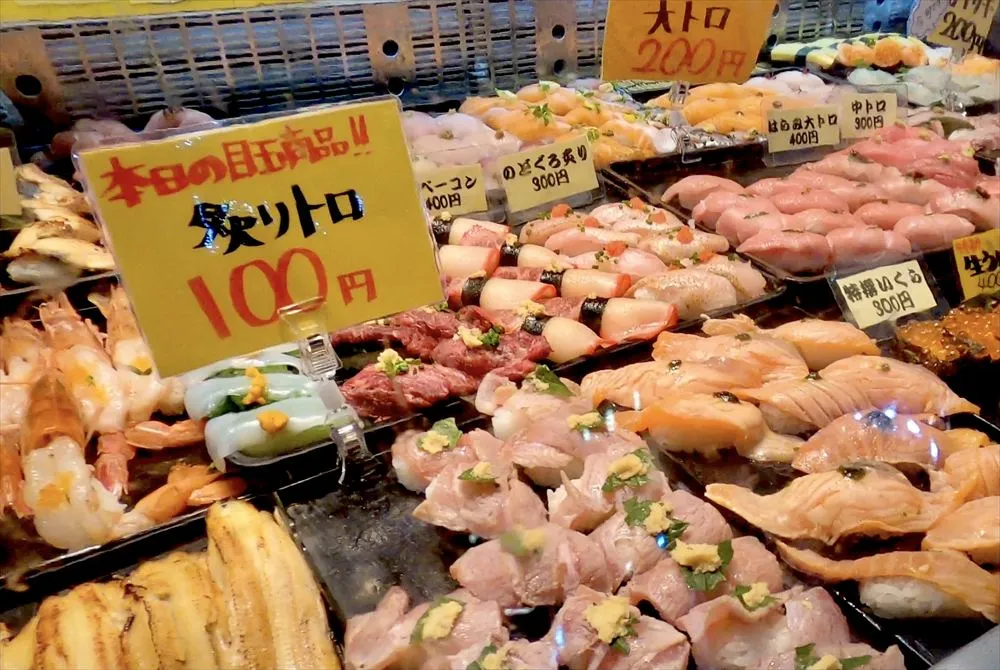
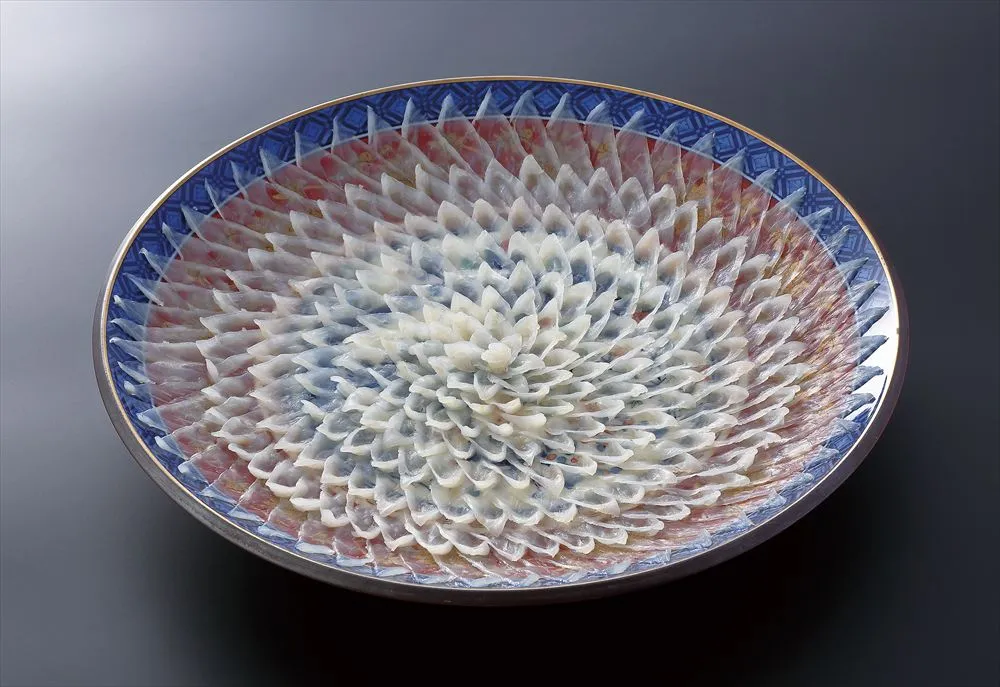
Yamaguchi is renowned for its fresh seafood, especially fuku, the local name for fugu, or pufferfish. The name is a homophone of “fuku,” the Japanese word for good fortune. At Karato Market in Shimonoseki, the Ikiiki Bakangai food market is held on Fridays, Saturdays, Sundays, and public holidays, offering nigiri sushi, seafood rice bowls, and fuku soup.
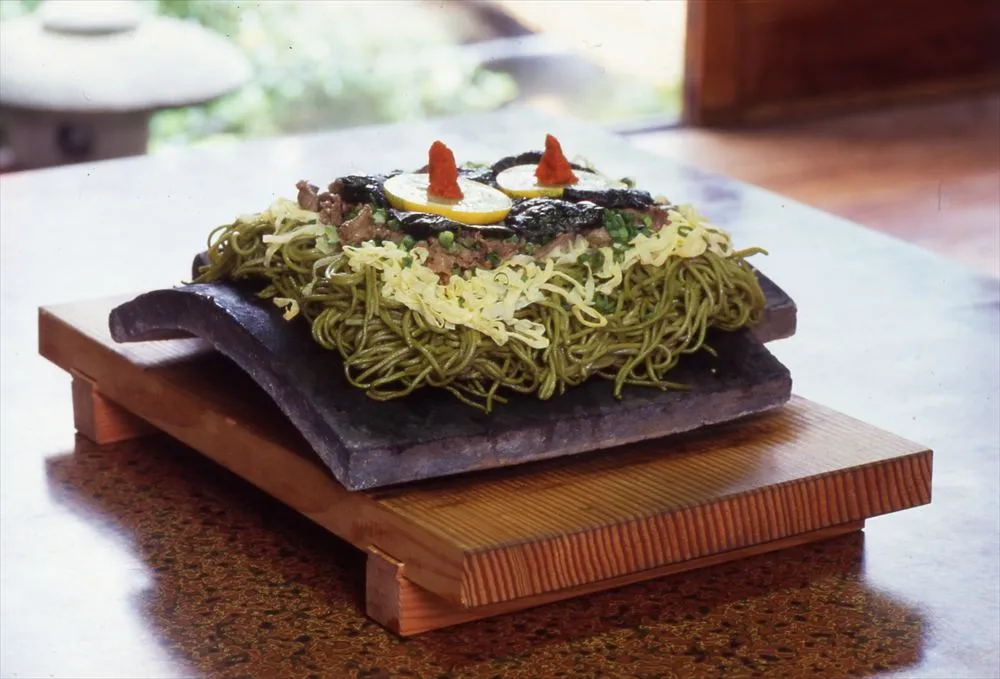
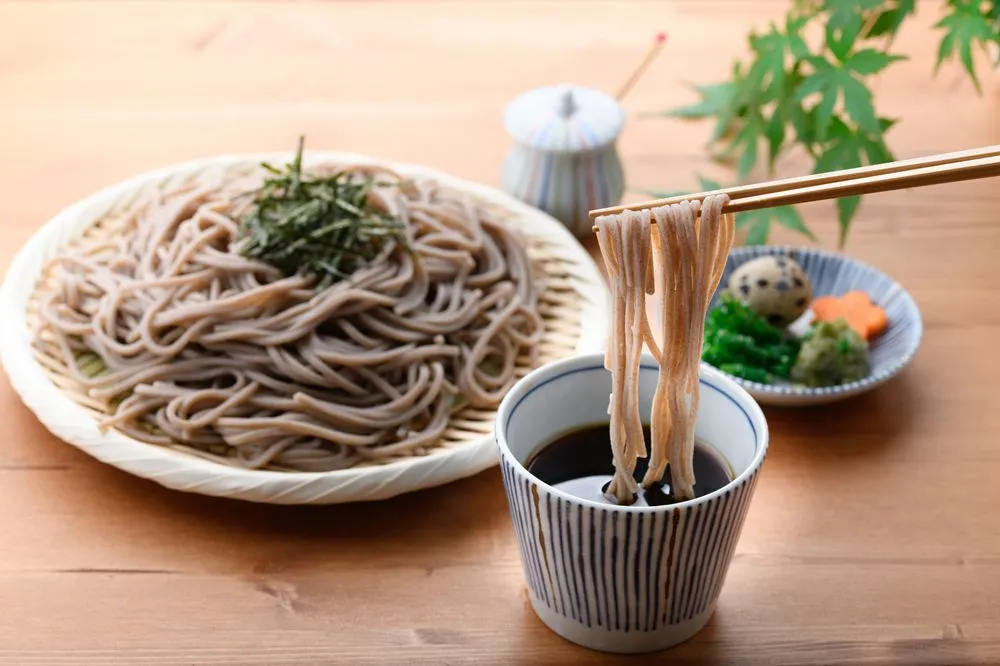
Kawara soba, a Yamaguchi specialty, features green tea noodles topped with beef and shredded egg, served on a sizzling roof tile with a special dipping sauce. Colorful Iwakuni sushi is another local favorite.
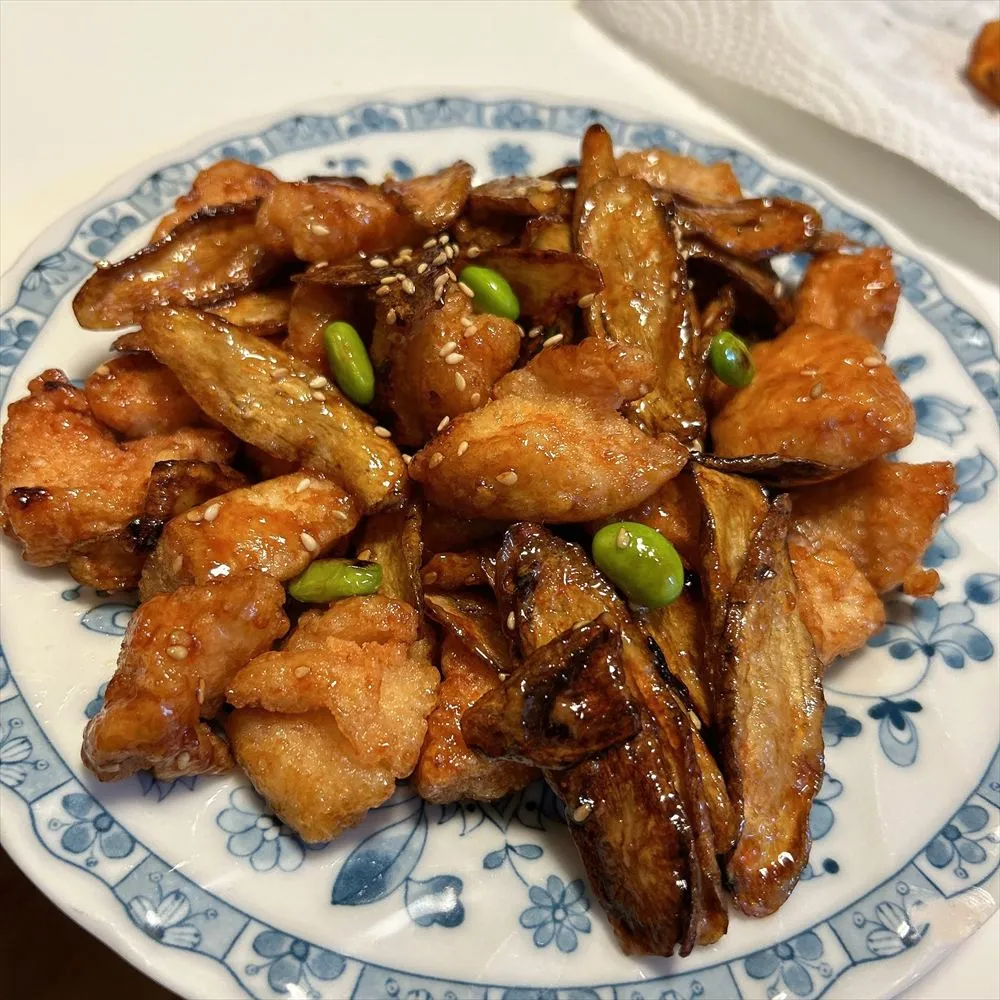
Created as a school lunch dish, “Chicken Chicken Gobo” combines chicken and gobo (burdock root) in a sweet and savory sauce.
Yamaguchi-style uiro cake, made with bracken starch, is known for its soft, springy texture. Sake brewed with Yamaguchi’s pure water is another source of local pride.
Onsen (Hot Springs)
Nagato Yumoto Onsen
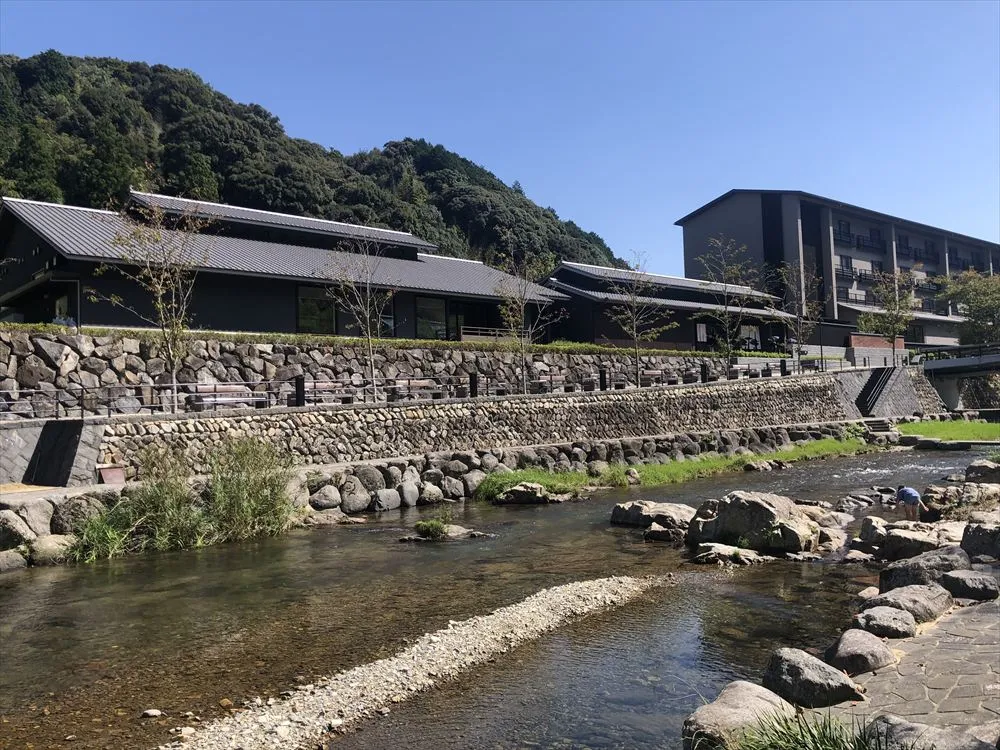
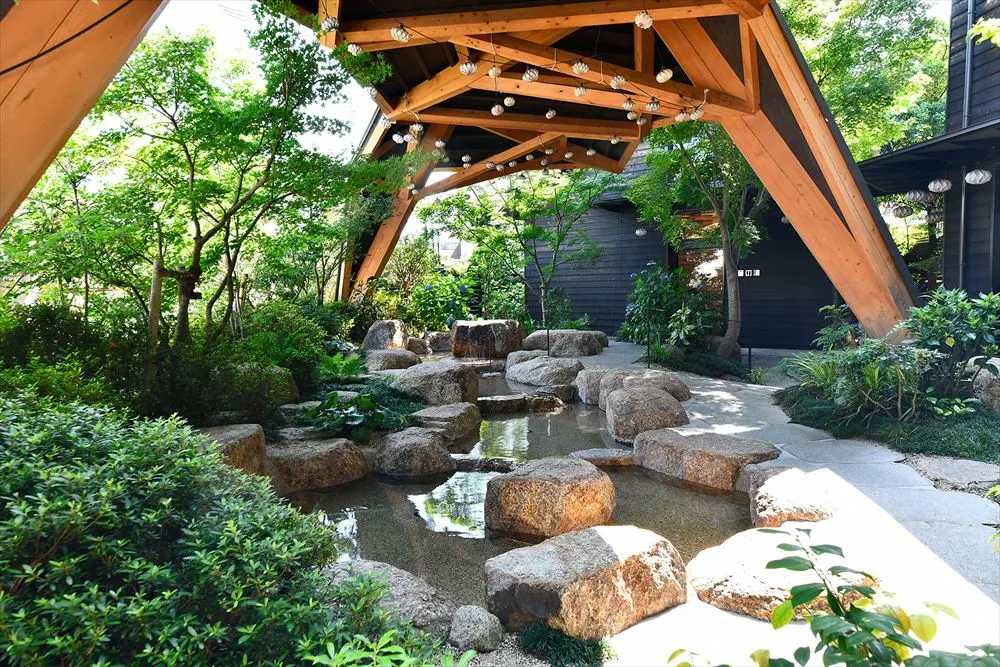
Nagato Yumoto Onsen is Yamaguchi Prefecture’s longest-established hot spring resort and is said to have been discovered about 600 years ago. Centered around ONTO, a historic public bathhouse for day visitors, a variety of inns and hotels line the Otozure River, creating a charming hot spring town.
Yuda Onsen
Yuda Onsen is known for its soft, soothing waters. One of Japan’s rare urban hot spring resorts, it offers a wide variety of restaurants, making it the perfect place to enjoy the local food after a relaxing soak.
att.JAPAN consists of members in their 20s and 30s, and we are all travel lovers. In addition to information about sightseeing and great dishes all over Japan, we offer a wide range of information about various subjects/topics, such as onsen (hot spring) and ryokan hotels. We introduce lots of information only att.JAPAN can offer, including information about famous sightseeing spots, the latest news about new facilities all over Japan and rare less-known areas in Tokyo, one-day model walking courses, and anime pilgrimages. We also offer contents to introduce Japan from the view of writers from abroad.
_R.webp)